Why Bus Tours Make Sense in Freestone
Freestone is not a place defined by a single landmark so much as by a sequence of small, moving frames: a courtyard of apple trees glimpsed through a bus window, a ribbon of valley fog lifting off a vineyard, a stand of old redwoods tucked along a creek that slips under a bridge. That way of experiencing the landscape—by a measured procession rather than an isolated stop—is where bus tours shine. They turn what could be a frustrating day of rural driving, with its narrow lanes and scarce signage, into a relaxed, interpretive experience. Drivers and guides translate the landscape’s layers: agricultural history, contemporary small‑farms, the geology that shaped the coastal hills, and how the Russian River choreographs the pattern of human settlement.
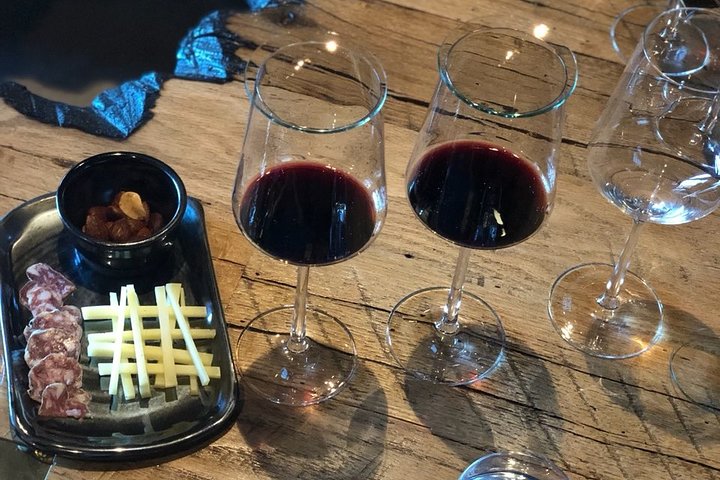
A bus tour also reframes practical limitations into advantages. Freestone and its neighboring hamlets are compact, low‑population places with limited parking and few shuttle options; a coach consolidates movement so visitors can spend time on the ground visiting a family winery, a tucked‑away farmstand, or a short forest walk without returning repeatedly to a parked car. For travelers drawn to wine country but wary of driving on unfamiliar curvy roads, tours provide a safe, sociable alternative with an opportunity to taste and learn responsibly. For photographers and landscape lovers, the slow transit of a small bus offers a series of curated viewpoints—sunlit ridgelines, pastoral scenes, and coastal glimpses between stands of scrub oak—without sacrificing comfort.
Beyond convenience, well-designed bus itineraries create a narrative of place. A morning that begins with a guided ride through a heritage oak corridor can wind into a midday tasting at a family‑run winery, followed by a picnic stop in a grassed valley and a late‑afternoon loop through cooler, fog‑kissed coastal ridges. Many operators layer in optional short walks—boardwalks through creekside redwoods, brief overlooks for a stretch and a photo—so the tour balances mobility with hands‑on exploration. Seasonality shapes the mood: spring brings neon green pastures and lambs, summer gives long light for extended coastal views, and fall knits harvest rhythms into the itinerary. While buses won’t replace the intimacy of a rented car or bike for some travelers, they unlock a different type of access—one that privileges storytelling, safety, and the pleasure of not worrying about the road ahead.
Finally, bus tours naturally connect to complementary outdoor activities around Freestone. Riders often pair a narrated coach day with a morning paddle on the Russian River, a guided hike in nearby coastal foothills, or an afternoon cycling loop from a central drop‑off. For multi‑day visitors, a bus tour can serve as an orientation: it plants a good lay of the land, surfaces local producer names and trailheads, and points to where you’ll want to return for a longer walk, a private tasting, or a camera session at sunrise.
Bus tours remove the logistics of rural travel—parking, navigation, and sober driving—making multi‑stop itineraries practical for mixed groups and first‑time visitors.
The region’s narrow, winding roads and limited transit mean guided coach travel is often faster and more relaxed than self‑driving if you plan multiple stops.
The harbor is the gateway, and the Pacific becomes the classroom.
Tours are flexible: many combine short hikes, photography stops, farm visits, and winery tastings into a single, curated day.
Choose by purpose
Whale watching, snorkeling, sunset sailing, cultural canoeing, harbor sightseeing, or private chartering.
Start near the city
Waikiki and Honolulu Harbor are primary hubs, with some trips launching near Hanauma Bay.
Confirm the vessel
Gangways, shaded seating, and boarding requirements vary according to vessel size and operator.