Air Activities in Franklin Lakes, New Jersey
Franklin Lakes sits at a suburban-woodland edge that makes the sky here feel unusually close. From scenic low-altitude flights launched from nearby airfields to paraglider and ultralight experiences over the Ramapo ridgeline, the town serves as a quiet gateway to aerial adventure for travelers who want a bird’s-eye view of northern New Jersey and the New York City skyline beyond. This guide focuses on air-based experiences—scenic flights, helicopter tours, paragliding/paramotoring opportunities, glider views and drone-friendly photography spots—plus the practical planning details needed to turn a daydream of flight into a safe, memorable outing.
Top Air Activities Trips in Franklin Lakes
50 trips • Book with confidence • Instant confirmation
Why Franklin Lakes Works for Air Activities
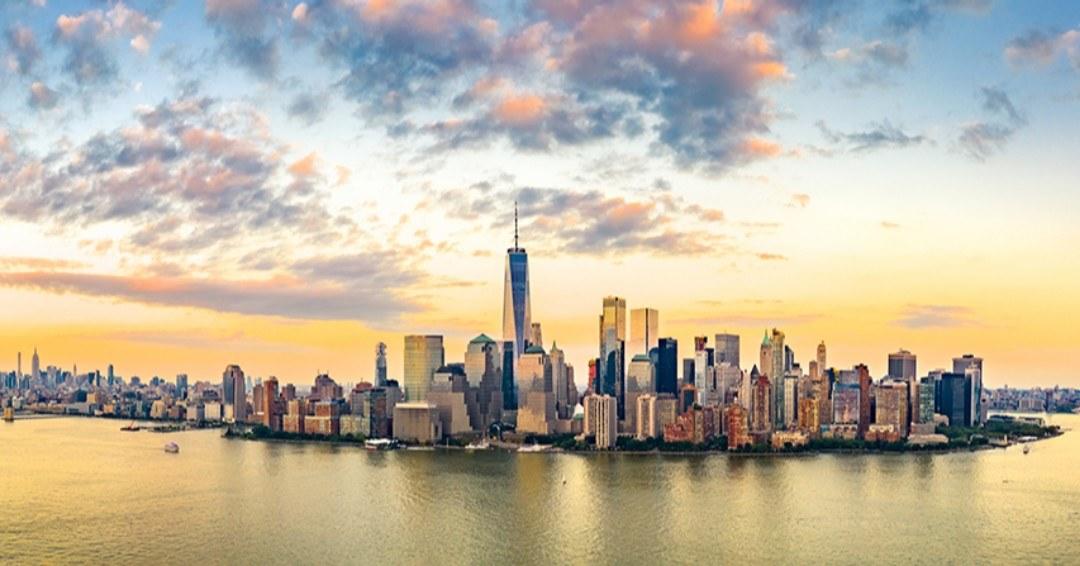
There’s an odd serenity to watching familiar ground shrink into patterns: the patchwork of suburban streets, the clean line of the reservoir, the dark, folded shoulders of the Ramapo Mountains. In Franklin Lakes that view is readily available—partly because the town balances open water and preserved ridgeline with immediate access to the small-airfield culture of the greater Bergen County region. For anyone who imagines travel in vertical terms—rising above traffic, above the tree canopy, above the noise—Franklin Lakes is less of a destination and more of a launch point. Scenic flights and helicopter tours out of nearby airports put the Manhattan skyline and the Hudson Palisades in sharp, cinematic perspective within a short radius. Gliders and paragliders find ridge lift along the higher ground when conditions permit, and open water like Wanaque Reservoir becomes a reflective counterpoint beneath a clear sky.
Practical advantages give the area an extra edge. Unlike crowded mountain ranges where access roads can add hours to a daytrip, Franklin Lakes is reachable from the Palisades Interstate Parkway and stable suburban connectors, making early departures and last-minute weather checks manageable. Pilots and operators commonly use launch sites and small airports within a short drive, which keeps preflight logistics compact: meet, quick briefing, and you’re up. The combination of varied terrain—water, forested ridgeline, and low-lying suburban panorama—creates diverse photo opportunities and predictable visual references for pilots and flyers, which benefits both first-timers and more experienced aerial adventurers.
Culturally, the area sits at a crossroads of commuter life and preserved open space. Local parks and preserves mean there are reliable landing or takeoff corridors for certain types of air activity and convenient spots for companions to watch. For thrill-seekers chasing skydiving or tandem paragliding farther afield, Franklin Lakes functions as the staging ground: gear checks, shuttles, and quiet places to decompress after a flight. For creative travelers—photographers or drone pilots—this is a place to experiment with layered compositions: ripples on reservoir water, the linear interruption of highways, and the distant Manhattan horizon. Environmental awareness runs through the approach here; operators and pilots often emphasize wildlife-sensitive flight paths and noise-reduced approaches near residential zones. That means planning matters: check local regulations, respect no-fly zones, and slot your adventure into calmer parts of the day for the best conditions and least community impact.
Close proximity to small regional airports makes scenic flights and helicopter tours logistically simple for half-day trips.
Ramapo ridgelines can produce usable ridge lift for paragliding and ultralight flights when winds are favorable.
Open water and suburban clearings provide distinctive photographic subjects for both manned flights and regulated drone use.
Operators typically require flexible scheduling because air activities depend heavily on stable weather and visibility.
Respect for noise ordinances and wildlife corridors is essential; pack patience and plan for possible reroutes or cancellations.
Best Time to Visit
Best Months
Weather Notes
Spring and early fall offer the most stable thermals and pleasant ground temperatures; summer afternoons can produce gusty conditions and pop-up storms, while winter brings cold, clearer days but sometimes stronger winds and cancellations.
Peak Season
Late spring and early fall when visibility is high and temperatures are comfortable for post-flight viewing.
Off-Season Opportunities
Winter and early spring can yield crisp clarity for photography and quieter operator schedules, though expect more cancellations for high winds or low ceilings.
Frequently Asked Questions
Do I need permits to fly drones or arrange aerial shoots?
Drone operations require compliance with FAA rules and local ordinances; recreational pilots should follow Part 107 guidance as applicable, and commercial or photography shoots usually need operator coordination and sometimes municipal permissions—check with local parks and the town for specific restrictions.
Are flight activities weather dependent?
Yes. Visibility, wind, ceiling, and precipitation heavily influence availability. Operators often reschedule or cancel for safety; book with flexible timing and expect morning windows to be the most stable.
Are there age or weight restrictions for tandem flights?
Most manned air experiences and tandem paragliding have operator-specific age and weight limits. Bring ID and confirm requirements with your provider before arrival.
Can I book a same-day scenic flight or helicopter tour?
Same-day bookings are sometimes possible but uncommon because operators monitor conditions through the morning. Call ahead to confirm availability and any last-minute weather holds.
Choose Your Experience Level
Beginner
Introductory experiences focus on guided scenic flights, short helicopter tours, and tandem paragliding where an instructor manages the technical side. Minimal physical exertion is required, and briefings cover safety and expectations.
- Tandem paragliding with certified instructor
- Short scenic helicopter or fixed-wing flight over the reservoir and ridgeline
- Introductory glider exposure flights (passenger seats with instructor)
Intermediate
For those with some flight exposure: short cross-country paramotoring, piloted light-aircraft sightseeing, and organized drone photography outings under regulated conditions. These experiences expect basic comfort with heights and simple in-flight procedures.
- Paramotoring lessons or supervised flights
- Light-aircraft scenic flights with basic photo opportunities
- Guided drone photography sessions from approved launch sites
Advanced
Advanced options include pilot-led cross-country ultralight or glider flights, sanctioned aerial photography projects requiring regulatory coordination, and performance-oriented paragliding in stronger ridge lift. These require certification, experience, or operator vetting.
- Cross-country glider sorties (pilot required)
- Advanced paragliding in ridge-lift conditions
- Commercial aerial photography and filming with required permits
Insider Tips & Local Knowledge
Confirm weather, no-fly zones, and operator requirements before you go.
For the best air experience around Franklin Lakes, plan for early mornings when thermals are calmer and visibility is usually better. Bring hard-copy directions and contact numbers—cell service can be inconsistent around certain ridgelines. If you’re photographing, ask the operator about window options and secure mounting for cameras; some companies limit equipment for safety. Respect residential noise and wildlife-sensitive corridors—operators will often adjust flight paths to minimize impact, so be flexible if your planned route changes. If you plan to fly a drone, check FAA Temporary Flight Restrictions and local park rules; register your drone if required and have your ID and proof of authorization handy. Finally, build buffer time into your itinerary: small-airfield logistics, preflight briefings, and weather holds can add unexpected hours, but they also create a calmer, safer experience and better photographic light.
What to Bring
Essential
- Government-issued ID (required for most manned flights)
- Layered clothing for wind chill at altitude
- Sunglasses and sun protection
- Water and light snacks
- Phone with charged battery and offline maps or meet-up details
Recommended
- Secure camera with strap or action camera (mounting options depend on operator)
- Binoculars for pre- or post-flight shoreline/landscape spotting
- Light windbreaker and gloves for open-cockpit or ultralight experiences
- Ear protection for louder aircraft/helicopter rides
- Confirmation emails and operator contact info printed or saved offline
Optional
- Motion-sickness medication if you’re sensitive to flight
- Portable battery packs to keep devices charged for photography
- Small dry bag for phones and lenses during damp or windy launches
- Drone (see local regulations) and spare batteries for on-ground aerial photography
Ready for Your Air Activities Adventure?
Browse 50 verified trips in Franklin Lakes with instant booking
Explore Top 15 Franklin Lakes, New Jersey Adventures →