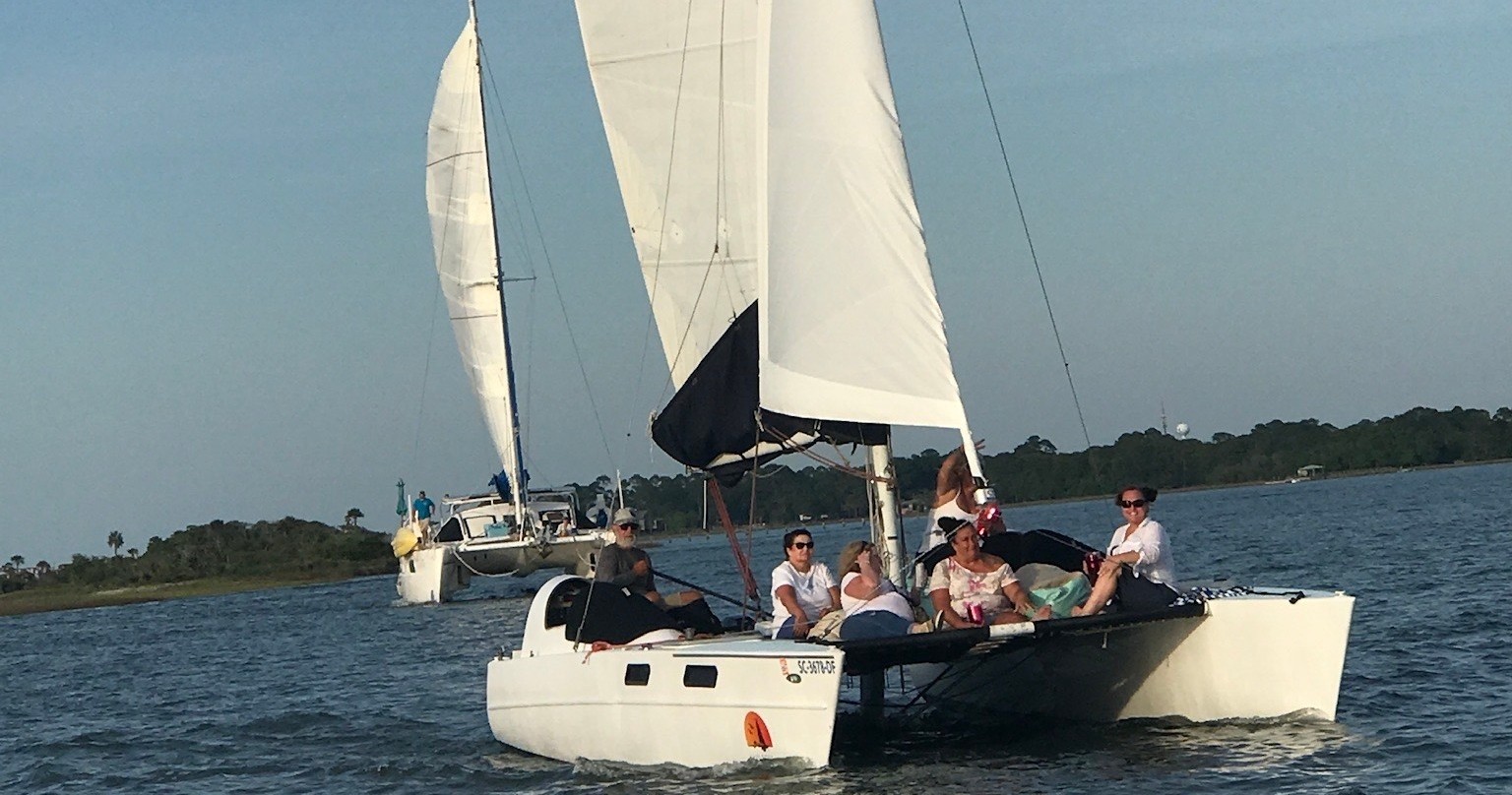
Top 15 Sailing Adventures in Folly Beach, South Carolina
Sheltered estuaries, shifting shoals, and a welcome stretch of Atlantic coastline make Folly Beach a compact but deeply rewarding sailing playground. From gentle daysails along the intracoastal to coastal crossings past the ghostly Morris Island Light, local waters offer accessible learning zones for beginners, tidal challenges for intermediates, and open-ocean routing for more experienced skippers.
Top Sailing Trips in Folly Beach
25 trips • Book with confidence • Instant confirmation
Why Folly Beach Is a Standout Sailing Destination
Folly Beach is an island of concentrated maritime contrasts: broad Atlantic swells brushing a low-lying shore, tranquil tidal creeks threading through salt marsh, and a narrow channel system that rewards local knowledge. For sailors, that means varied days on the water packed into short distances. Launch from a public ramp or climb aboard a charter and choose your tempo—an easy learning sail in the estuary, an exploratory cruise past bird-filled marsh islands, or an afternoon run that skims the outer bar and offers clean ocean wind. The compact geography condenses experiences that, elsewhere, might require long passages or complicated logistics.
Beyond variety, Folly’s character is quietly cooperative to those who pay attention. Tidal windows and prevailing southerly sea breezes in summer shape delightful afternoon forty-degree points; spring and fall bring steady nor’east and northwest patterns that reward reefed sails and thoughtful routing. The Intracoastal Waterway acts as both a safe corridor and a classroom—protected water for practicing maneuvers, learning navigation by aids to navigation, and watching tidal flow around islands. Meanwhile, the approach to Morris Island Light and the exposed ocean side offer a taste of open-sea sailing without the long commitment of larger coastal runs.
This is also a place where the natural story meets practical seamanship. Salt marshes and shoals hold migrating birds and wintering waterfowl; oyster beds and tidal creeks are reminders that the coast is an active, living shoreline. Responsible sailors will read tides, respect wildlife closures, and carry charts and local contacts. For travelers, Folly’s compactness keeps logistics simple: Charleston’s services and marinas are a short hop away, while local outfitters make one-day sails, sunset cruises, and learn-to-sail sessions easy to book. Whether you’re a novice wanting a controlled learning environment or a seasoned skipper chasing tidal challenges and coastal views, Folly Beach squeezes a wide array of sailing experiences into a small, memorable maritime landscape.
Sailing routes range from protected estuary loops to coastal runs past historic navigational markers like Morris Island Light.
Tidal currents and shoal patterns are the defining navigation considerations—local knowledge greatly improves safety and enjoyment.
Charleston’s marine infrastructure nearby makes logistics simple: slips, provisioning, and repair services are a short trip from Folly.
Best Time to Visit
Best Months
Weather Notes
Spring and fall offer steady winds and moderate temperatures ideal for day sailing. Summer brings reliable afternoon sea breezes but also heat and frequent thunderstorms; watch forecasts closely. Winter is quieter but can produce cold nor'easters and stronger coastal systems—suitable only for experienced crews.
Peak Season
June–August (popular for charters and sunset sails)
Off-Season Opportunities
Late spring and early fall provide fewer crowds with excellent wind patterns; winter can offer solitude and practice days for experienced sailors comfortable with cooler conditions.
Frequently Asked Questions
Do I need a license to sail in Folly Beach?
You don’t need a recreational sailing license to skipper a private sailboat in U.S. coastal waters, but charter companies typically require proof of experience or a certified skipper for bareboat charters. For lessons and crewed charters, no license is necessary.
Where are good launch points or marinas?
Public ramps and small marinas near Folly River and the Intracoastal Waterway provide access; for full-service slips and maintenance, Charleston marinas a short run away are the main hubs. Check local access rules and tide windows before launching.
How do tides affect sailing routes around Folly?
Tidal currents around the inlets and shoals can be strong and shift rapidly. Plan around slack water for tricky passages, and consult local tide/current tables and charts to avoid shallow areas at low tide.
Choose Your Experience Level
Beginner
Gentle estuary daysails and instructor-led lessons in protected waters; ideal for learning sail basics, points of sail, and simple navigation.
- Introductory learn-to-sail session on the Folly River
- Protected estuary loop with a sailing instructor
- Sunset cruise with crewed charter
Intermediate
Half-day coastal runs, tidal-affected routes, and short passages requiring route planning and basic tide/current management.
- Coastal day sail to Morris Island approach
- Intracoastal Waterway navigation tour
- Tidal-current practice around barrier islands
Advanced
Open-ocean legs, night-sailing, and planning around weather systems and shoal-heavy approaches requiring confident navigation and crew coordination.
- Passage planning and coastal crossing to Charleston Harbor
- Overnight coastal cruise with offshore legs
- Tactical tidal runs and heavy-weather practice
Insider Tips & Local Knowledge
Tides, shoals, and local wind patterns define good days on the water—talk to local skippers and check updated charts before you go.
Start planning with tide tables and current predictions—Morris Island and the adjacent inlets change quickly with wind and tide. Book charters or lessons in advance during summer and holiday weekends; weekdays in late spring or early fall often yield calmer docks and reduced rates. If you’re sailing yourself, favor routes in the Intracoastal for skill-building and move to exposed ocean legs as you gain confidence. Respect wildlife closures and be mindful of shallow oyster beds—anchoring on shell can damage gear and habitat. Bring layered clothing; a warm layer is surprisingly useful for early-morning or post-sunset temperatures on the water. Finally, leave a float plan with someone onshore and confirm the return window around the tide—getting stuck on the wrong side of a shoal at low tide is avoidable with a little planning.
What to Bring
Essential
- USCG-approved life jacket (PFD) for each person
- Waterproof navigation chart or updated chartplotter
- Personal flotation device and safety whistle
- Sunscreen, sun hat, and polarized sunglasses
- Water and high-energy snacks
Recommended
- Light foul-weather jacket and layered clothing
- Non-marking deck shoes with grip
- Quick-dry towel and spare clothes
- Handheld VHF radio or charged phone in waterproof case
- Basic first-aid kit and seasickness remedy
Optional
- Compact binoculars for shorebirds and lighthouse spotting
- Dry bag for camera and electronics
- Small toolkit or multi-tool for minor gear adjustments
- Thermal layer for cooler spring/fall mornings
Ready for Your Sailing Adventure?
Browse 25 verified trips in Folly Beach with instant booking
Explore Top 15 Folly Beach, South Carolina Adventures →