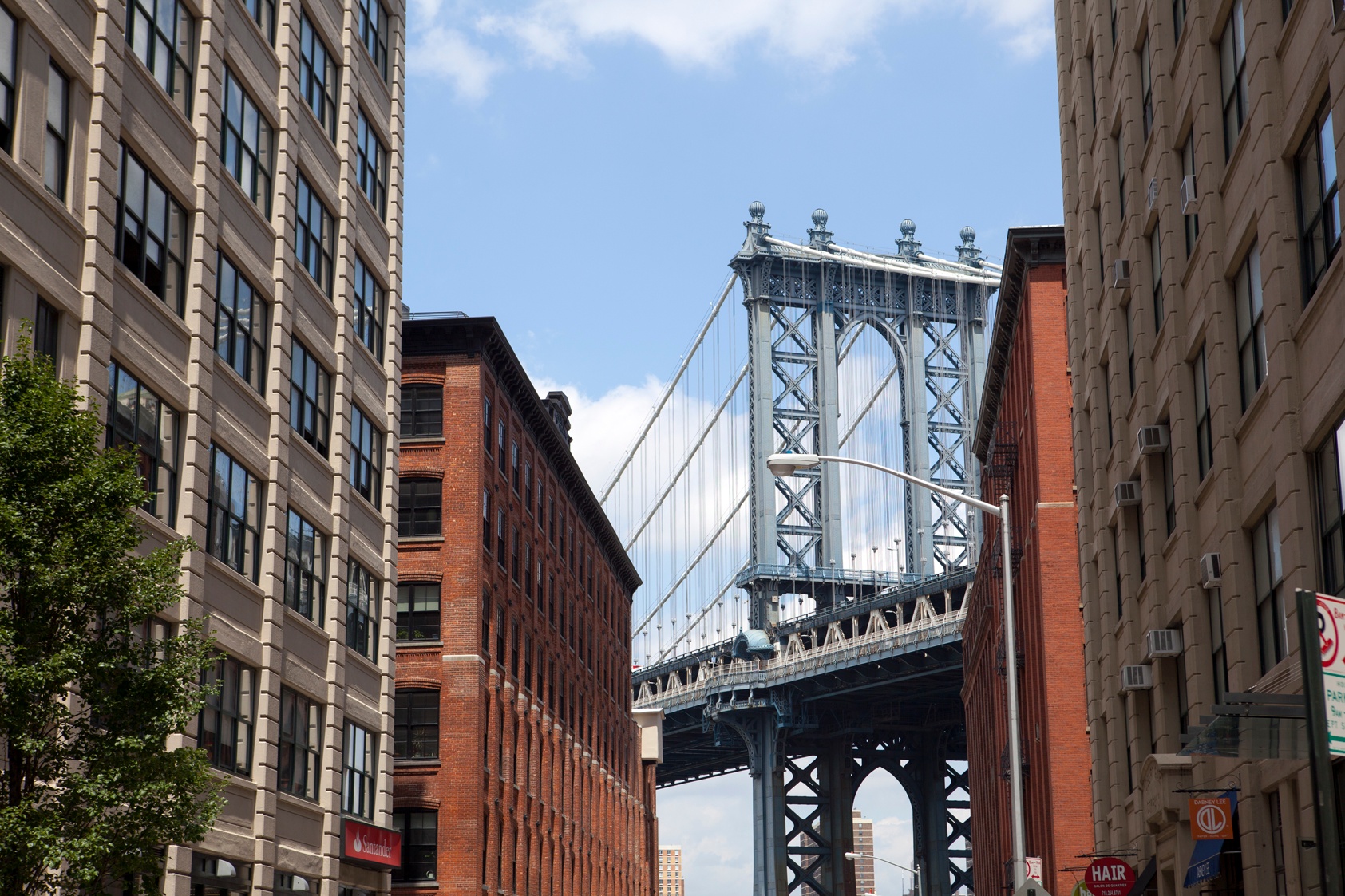
Top Walking Tours in Flatlands, New York
Flatlands is a walking destination built for slow travel: long, even streets, unexpected public art, and a patchwork of neighborhoods where every block has a story. This guide focuses on walking tours—self-guided and led—that reveal the area's working waterfront, immigrant histories, green corridors, and contemporary food scene. Expect easy terrain, excellent accessibility for mixed-ability groups, and abundant options for pairing a stroll with local bites, bike rides, or a short ferry hop.
Top Walking Tour Trips in Flatlands
431 trips • Book with confidence • Instant confirmation
Why Flatlands Is a Walking-Tour Destination
Flatlands is a walking place in the literal sense: low elevation, broad sidewalks, and a grid that invites wandering. But its appeal runs deeper than ease of movement. This is a city of layered livelihoods—former industrial strips reborn as creative hubs, row-house blocks where generations of families left subtle marks, and waterfront stretches where tide and commerce still shape the skyline. Walking tours here work at a human scale. They translate civic history into footsteps, turn bocce courts and corner bodegas into cultural waypoints, and make the ordinary feel like discovery.
A Flatlands walking tour is equal parts sensory and connective: the smell of frying dough from a family-run bakery, the clack of tram rails near the riverside, murals that trace recent waves of immigration, and sudden pockets of quiet parkland where birds outsing traffic. For travelers who prefer slow travel—those who want to understand how neighborhoods evolved rather than simply photograph them—walking is the truest way to learn. Guides, whether professional historians, artists, or local volunteers, tend to focus on narratives you’ll miss from a car: how zoning reshaped blocks, where seasonal markets gather, and how community gardens anchor social life.
Practically, Flatlands is well suited to a broad mix of walkers. Most tours are low-to-moderate effort, 60–180 minutes, and easily customizable for families, older adults, or travelers combining sightseeing with culinary stops. The flat terrain makes it accessible to wheelchairs and strollers on most main routes, though occasional uneven paving and construction zones can require a detour. Weather defines the tone more than the difficulty—sunny springs and crisp autumn days are ideal for lingering at outdoor stalls, while hot summers encourage early-morning starts and late-afternoon pauses for iced drinks. Winter walks are quieter and often reveal the city’s structural bones: cleared sidewalks, bare-limbed trees, and steaming kitchen vents that punctuate the cold.
Walking tours in Flatlands pair naturally with complementary activities: a riverside route that ends at a kayak launch, an arts-walk that dovetails with gallery openings and evening performances, or a food-focused tour designed around market schedules and coffee roasters. For planners, the key is tempo: build in stops for interpretation, local shopping, and restroom breaks, and allow time to pivot—stay longer at a museum or catch a sunset from a reclaimed pier. Whether you come for architecture, street food, or neighborhood lore, Flatlands rewards the deliberate pace of walking with intimacy and insight.
Tours are varied: history-focused itineraries trace colonial-era parcels and immigrant waves; contemporary walks spotlight public art, small-scale manufacturing, and sustainable urban projects. Neighborhood walks often include visits to community-run green spaces and independent food stalls.
Flat terrain and short blocks make Flatlands uniquely friendly for mixed-ability groups. Accessibility is strong on main corridors, but check individual tour descriptions for details about curb cuts, restroom access, and seasonal detours.
Best Time to Visit
Best Months
Weather Notes
Spring and fall provide the most comfortable walking temperatures; summers are warm and humid—opt for morning or evening tours—and winters are brisk but quieter, with occasional closures due to snow or icy sidewalks.
Peak Season
Late spring through early fall—street festivals and open-air markets increase visitation.
Off-Season Opportunities
Winter offers solitude, off-season tour pricing, and a chance to see neighborhood life without crowds; indoor culinary and museum walks remain active.
Frequently Asked Questions
Do I need to book walking tours in advance?
Popular guided walks and themed food tours can fill up on weekends; book ahead for groups or specific times. Many self-guided routes are free and accessible anytime.
Are walking tours family-friendly?
Yes. Many operators design family-focused walks with shorter distances, interactive stops, and kid-friendly snacks. Check age recommendations for guided experiences.
Can I join a walking tour with limited mobility?
Many main routes are wheelchair- and stroller-friendly. Contact tour providers ahead of time to confirm curb cut access, restroom availability, and any alternate routing.
Choose Your Experience Level
Beginner
Short neighborhood loops, market strolls, and heritage walks on smooth, even sidewalks—ideal for casual travelers and families.
- Historic main-street walking loop
- Morning bakery-and-market food crawl
- Short riverside promenade
Intermediate
Longer thematic walks (arts districts, industrial-revival tours) that include frequent stops and moderate walking distances—good for travelers who want deeper context.
- Public art and mural tour
- Industrial heritage to waterfront route
- Culinary tour with multiple tastings
Advanced
Extended urban treks combining multiple neighborhoods, timed connections to ferries or bike segments, or multi-hour history deep dives for seasoned walkers.
- Full-day neighborhood traverse with museum stops
- Photographer’s dawn-to-dusk city walk
- Guided archival and oral-history route
Insider Tips & Local Knowledge
Check local event calendars for street fairs and parades that can alter routes; many markets rotate locations by season.
Start early to beat the heat and capture quiet neighborhood moments. Bring small bills for vendors—some micro-markets are cash-preferred. If you want to join a guided walk, read recent reviews and ask whether the guide tailors content for children or mobility needs. Combine a morning walk with afternoon kayaking or a bike rental to expand the day without backtracking. Finally, allow time for unscheduled pauses: a mural, a shopfront, or a bench by the river often becomes the highlight.
What to Bring
Essential
- Comfortable walking shoes (sneakers or supportive flats)
- Water bottle (refill stations available in many parks)
- Light daypack for layers and purchases
- Phone with offline map or downloaded route
- Sunscreen and lightweight rain layer
Recommended
- Compact umbrella or packable rain shell
- Portable phone charger for maps and photography
- Cash for small vendors (though many accept cards)
- A small notebook or voice notes for on-tour impressions
Optional
- Binoculars for birdlife on the riverside
- Reusable shopping bag for market finds
- Folding stool for longer interpretive stops (for mobility-limited visitors)
Ready for Your Walking Tour Adventure?
Browse 431 verified trips in Flatlands with instant booking
Explore Top 15 Flatlands, New York Adventures →