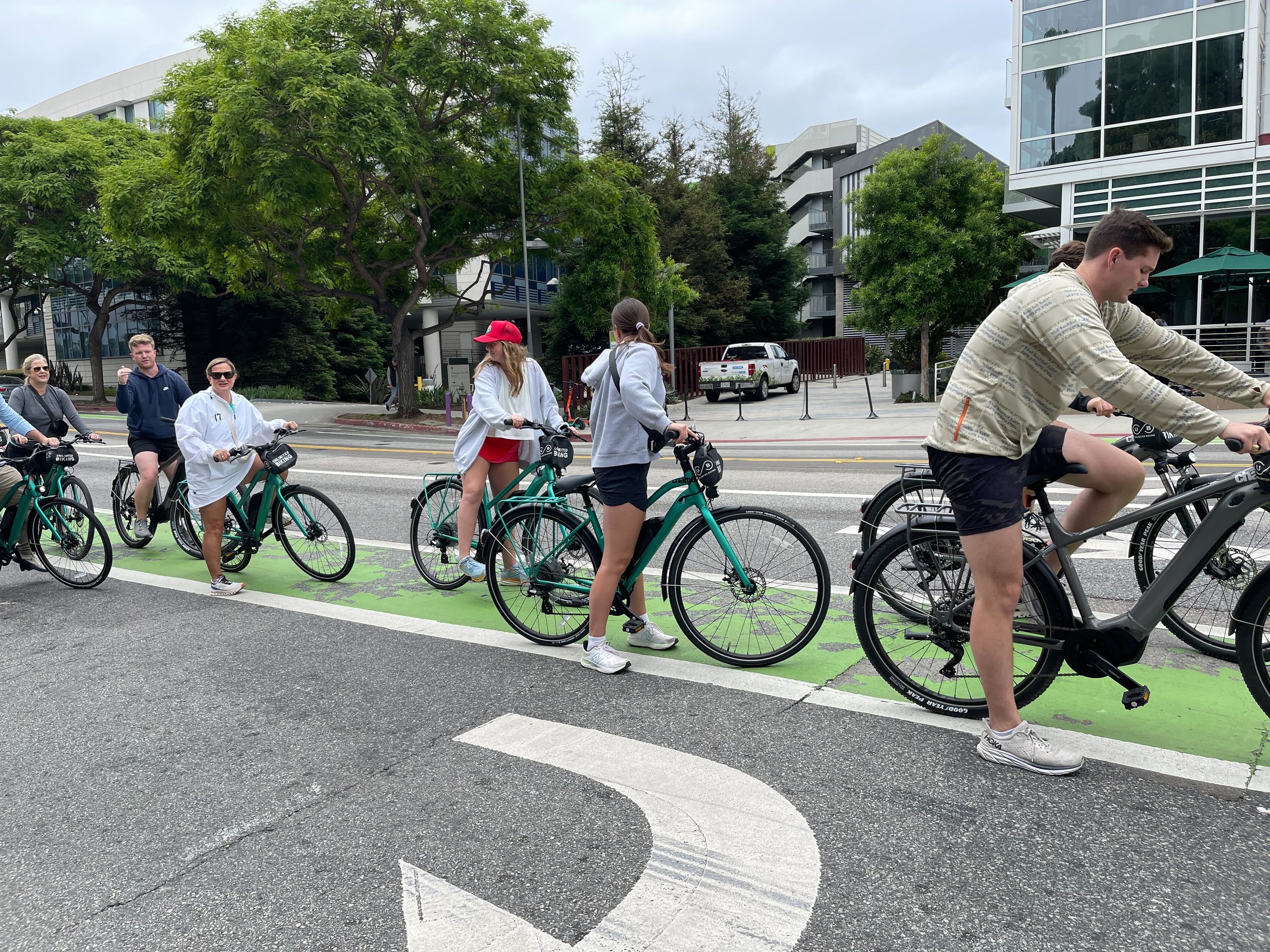
E‑Bike Adventures in Fillmore, California
Nestled between orchards, low ridgelines, and the ribbon of the Santa Clara River, Fillmore is a compact launchpad for e‑bike exploration. The valley’s quiet county roads, mixed gravel backroads, and access points to Los Padres offer a ride palette that suits commuters on step‑throughs, gravel‑capable eMTBs, and sporty commuter e‑road bikes alike.
Top E-Bike Trips in Fillmore
7 trips • Book with confidence • Instant confirmation
Why Fillmore Works for E‑Bike Riders
The first thing you notice when you roll out of downtown Fillmore on an e‑bike is how quickly the pace shifts from Main Street chatter to agricultural hush. Citrus groves and fields slip by; irrigation ditches hum a quiet rhythm. For riders, that immediate transition — from small‑town sidewalks to long, sweepy county roads — is the fundamental appeal. E‑bikes amplify the region’s quiet geometry, turning modest grades into brief, rewarding surges and making otherwise remote gravel spurs reachable in a morning.
This valley is a study in contrasts. On one side are the low, chaparral‑lined slopes of the Simi and Topatopa foothills; on the other, broad riverine flats that flatten out into agricultural service roads and bikeable shoulder lanes. That combination rewards a mix of archetypes: short espresso rides that thread orchards and neighborhoods; longer aerobic cruises along the Santa Clara River corridor; and exploratory loops that trade pavement for packed dirt and singletrack approaches at trailheads below Los Padres. Given Fillmore’s compact size, riders can assemble a purposeful half‑day outing around a single battery charge or stitch together a full‑day route with a midday coffee stop and a carefully timed recharge at a cafe or visitor node.
The e‑bike experience here is also cultural. Fillmore’s small‑town rhythm makes for welcoming stops — produce stands, farm stands, and the occasional brewery or coffee shop provide low‑key places to pause and swap batteries. That accessibility matters: rather than carving a route only for hardcore cyclists, Fillmore’s network invites families, curious travelers, and multi‑modal commuters. It’s also a place where an e‑bike changes the equation of access. Routes that once required a car and a hunger for long climbs become elegant loops where effort is scaled, views are savored, and side trips to nearby vineyards, river overlooks, or the edge of Sespe Wilderness feel doable without logistical strain.
Finally, the seasonal rhythms here shape how riders use their systems. Spring and fall reward longer mileage with comfortable temperatures and green hills; summers can be hot and demand early starts or shorter mid‑valley loops; wildfire season introduces closures and air quality considerations that can abruptly reroute plans. When you ride Fillmore on an e‑bike, you’re not just traveling faster—you’re widening your choice of where a day can go: a riverfront picnic, a gravel scramble into a canyon mouth, or a slow cruise through flowering citrus rows at golden hour.
E‑bikes democratize the region’s varied terrain: gravel backroads that once felt like commitment now become inviting exploratory options.
Local stops — farm stands, small cafes, and occasional tasting rooms — make natural charging and rest points and reward slow travel.
Seasonal heat and wildfire risk shape route choices; plan for early starts in summer and check closures during high‑risk periods.
Best Time to Visit
Best Months
Weather Notes
Spring and fall bring the most comfortable riding temperatures and green hills. Summers are hot and often require early starts or shorter routes; winters are mild but can be rainy. Wildfire season (typically late summer into fall) can affect air quality and access—check local alerts before riding.
Peak Season
Spring wildflower display and fall shoulder months are busiest for scenic rides and agritourism stops.
Off-Season Opportunities
Winter weekdays often offer solitude on the valley roads; rainy days reshape river corridors and reduce dust on gravel sections but can make dirt approaches slick.
Frequently Asked Questions
Are there e‑bike rentals in Fillmore?
Seasonal rentals and guided e‑bike services may operate in the broader Ventura County area. Availability can change—check local rental shops in nearby Ventura or Santa Paula, or contact visitor centers for current options.
Do e‑bikes have access to trails around Fillmore?
E‑bike access depends on the trail classification and land manager rules. Many county roads, agrarian service lanes, and certain multi‑use paths allow e‑bikes, but some singletrack within protected areas may restrict motorized or assisted devices. Confirm rules at trailheads and with land managers before you go.
How far can I expect to ride on a single battery?
Range varies by battery, assistance level, rider weight, terrain, and cargo. Plan conservative distances and route options, and identify potential recharge or rest stops if you need to conserve power.
Choose Your Experience Level
Beginner
Short, low‑stress rides on paved or well‑graded gravel county roads with minimal elevation gain—ideal for beginners and families who want scenic loops and easy stops.
- Orchard‑and‑riverfront loop
- Downtown Fillmore to nearby farm stand return ride
- Short valley cruise with a coffee stop
Intermediate
Longer mixed‑surface rides that include sustained miles on rural roads and gravel spurs, modest climbs into foothills, and options to extend to river corridors or vineyard roads.
- Full‑day valley loop with gravel connectors
- Mixed‑surface approach to a Los Padres trailhead
- Gravel backroad exploration with panoramic ridge viewpoints
Advanced
Objective rides that combine significant mileage, steeper gravel climbs, technical sections on rougher singletrack approaches, and careful battery management for longer excursions.
- All‑day exploratory loop into canyon mouths and remote spurs
- High‑mileage point‑to‑point linking multiple valley nodes
- Mixed technical approach requiring dismounts and bike‑handling on loose surfaces
Insider Tips & Local Knowledge
Check local weather, air quality, and wildfire alerts before riding. Confirm e‑bike rules for any state or federal lands you plan to access.
Start rides early in summer to avoid heat, and carry an extra bottle of water when planning valley or canyon loops. Battery range is the practical limiter here—map your route with conservative estimates and plan for a mid‑ride conservation strategy (lower assist on flats, higher on climbs). Use quieter county roads and agrarian lanes to avoid highway traffic; when you must share a narrow shoulder, stay visible and predictable. Respect private property and farm operations by following posted signs and staying on public rights‑of‑way. Finally, think like a local: pair riding with slow stops—farm stands, a small cafe in town, or a river picnic make Fillmore’s e‑bike routes feel less like an endurance test and more like a day well spent.
What to Bring
Essential
- Helmet (required by law for some e‑bike classes in certain jurisdictions)
- Plenty of water and electrolyte snacks
- Spare tube, patch kit, and basic multi‑tool
- Portable battery charger or second battery if you have one
- Phone with offline map or GPX file of your route
Recommended
- Gloves and lightweight protective eyewear
- Compact pump and tire plugs for gravel sections
- Light layers for morning starts and wind on exposed ridgelines
- Small first‑aid kit and sunscreen
Optional
- Frame bag or handlebar pack for snacks and a jacket
- Portable power bank for phone and lights
- Mirror for mixed‑traffic county roads
- Binoculars for river and raptor viewing
Ready for Your E-Bike Adventure?
Browse 7 verified trips in Fillmore with instant booking
Explore Top 15 Fillmore, California Adventures →