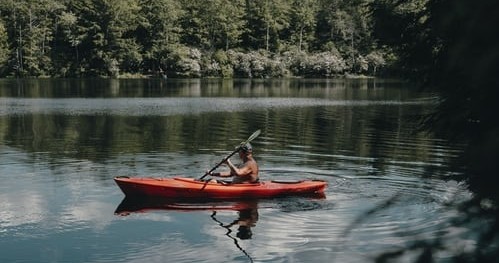
Top 15 Kayak Adventures in Essex, Connecticut
Essex sits where the Connecticut River breathes into Long Island Sound, and for paddlers that junction is pure invitation: tidal estuaries, stitched salt marshes, and sheltered harbor loops that suit beginners while offering route complexity for experienced sea kayakers. This guide focuses on kayak-specific experiences—tide-aware estuary paddles, wildlife-rich marsh runs, guided eco-tours, and crossings that open up island hopping and coastal day trips—plus practical planning notes to help you match conditions to skill, pick the right launch, and leave the water better than you found it.
Top Kayak Trips in Essex
15 trips • Book with confidence • Instant confirmation
Why Essex Is a Standout Kayaking Destination
Paddling in Essex is a study in transitions. Set off from a quiet town launch and the water will take you through braided fingers of marsh, past oyster racks that gleam at low tide, and into broad, slow-moving channels where the river remembers the ocean. The Connecticut River here is wide, tidal, and deceptively gentle in protected coves; around bends the current speaks softly, and at the mouth it can push with purpose. For paddlers that makes Essex a naturally tiered canvas: sheltered harbor loops for learning strokes and boat feel; winding marsh runs for slow, binocular-ready wildlife watching; and longer estuary crossings that require tide planning and basic navigation skills.
There is a living maritime history in every bend. Essex’s shipbuilding past and the working waterfront mean you’ll share the water with fishermen, work skiffs, and occasional tour craft—learn their patterns, give way, and listen for the rhythm of the river. Birdlife is a headline: ospreys patrol the skyline, great blue herons stand like sentries at marsh edges, and migrating ducks and shorebirds color the seasons. In spring you’ll encounter neon greens and the first quiet of returning terns; summer brings low, warm water and the measured hum of nearby towns; fall turns the riverbanks gold and red, offering reflective paddles that feel cinematic.
Essex’s variety is practical. Beginners can find short, protected loops that build confidence without the churn of open water. Intermediates will enjoy lengthening routes that thread tidal channels and require reading wind and current. Advanced paddlers can stitch together technical crossings or use Essex as a base for longer coastal runs—day trips into Long Island Sound and island work require attention to weather windows and a conservatively planned exit strategy. Local outfitters and guided tours make technical aspects approachable: they provide boats, instruction on tides and currents, and insider route knowledge that transforms a good paddle into a rich, low-friction experience.
Finally, paddling here comes with a stewardship ethic. Salt marshes, shellfish beds, and nesting bird colonies are both fragile and central to the place’s character. Good paddling here means planning around tides, packing out waste, avoiding closed nesting areas, and moving quietly to let wildlife be the show. With an eye toward safety and respect, Essex offers kayak trips that are equally meditative, educational, and adventurous—small journeys that open onto the larger Atlantic story the river carries.
Estuary dynamics shape every route: know the tide and its effect on launches, channel speed, and exposed mudflats.
Local operators run guided eco-tours and rentals—great options for visitors who prefer to leave route-finding and tides to a local guide.
Wildlife viewing—especially birds and seasonal shellfish operations—makes paddling here as much about quiet observation as it is about distance.
Best Time to Visit
Best Months
Weather Notes
Late spring through early fall brings the most comfortable paddling temperatures. Summer offers warm water but afternoon sea breezes and occasional thunderstorms—check forecasts. Fall is ideal for calm, crisp paddles and foliage viewing. Winter paddling is cold and sometimes icy; only for experienced cold-water paddlers.
Peak Season
June–September for warm-water paddling, guided tours, and rentals.
Off-Season Opportunities
Spring migration is excellent for birdwatching from the water; early fall offers quieter launches and dramatic colors. Off-season paddles should be planned around weather and require warmer gear.
Frequently Asked Questions
Do I need to worry about tides and currents?
Yes. Tides affect launch options, exposed mudflats, and current speed in channels. For longer estuary routes plan around tidal windows or go with a local guide who times crossings.
Can beginners kayak in Essex?
Absolutely. Sheltered harbor loops and protected coves are ideal for first-time kayakers; start with a short guided tour or a rental that includes basic instruction.
Are rentals and guides available?
Yes. Local outfitters provide single and tandem kayaks, basic safety gear, and guided eco- or history-focused tours—these are recommended for visitors unfamiliar with tidal estuaries.
Choose Your Experience Level
Beginner
Short, sheltered loops inside harbors or wide, slow channels where wind and current are minimal—perfect for learning strokes and boat balance.
- Harbor loop and town-front paddle
- Short salt-marsh edge wildlife paddle
- Guided beginner eco-tour (intro to tides and birds)
Intermediate
Longer estuary routes that require tide and wind planning, basic navigation, and comfort with moderate exposure on open water.
- Half-day estuary run with tide-aware route planning
- Marsh-to-beach beaching and short exploration stops
- Sunset paddle with moderate wind considerations
Advanced
Open-water crossings, long-distance coastal linkups, or paddles that require strong weather-reading skills, efficient strokes, and self-rescue competency.
- Conservative tidal crossing into Long Island Sound (weather-dependent)
- Full-day expedition-style estuary traverse
- Navigation-focused route linking nearby coastal launch points
Insider Tips & Local Knowledge
Always check tide charts, wind forecasts, and local launch access before you go.
Plan routes around the tide—not the other way around. Launch early on summer mornings for calm water and cooler temperatures; afternoons often bring onshore or shifting breezes. Respect working waterfronts and shellfish beds—avoid dragging boats through racks and keep clear of marked aquaculture areas. If you’re new to estuary paddling, book a guided tour for the first trip: guides speed up learning how currents set in channels and where safe exits are. Carry a small spare paddle and a whistle; network coverage can be spotty in marshy channels so download maps and tide data ahead of time. Finally, pair your paddle with complementary experiences: visit the local maritime museum to add cultural context, grab oysters or seafood at a nearby restaurant after your paddle, or combine a kayak morning with a bike ride along the river roads for a full-day local loop.
What to Bring
Essential
- Personal flotation device (PFD) — required and properly fitted
- Dry bag for phone, layers, and snacks
- Water, sunscreen, and a hat
- Footwear that can get wet and protect against rocks/mud
- Tide chart and a basic navigation plan (app or paper)
Recommended
- Sprayskirt for sea kayaks or a cockpit cover for windier days
- Light paddle jacket and a warm midlayer for early/late season
- Whistle and small VHF or handheld radio for longer estuary crossings
- Map or downloaded offline charts and a compass
Optional
- Binoculars for birding and wildlife ID
- GoPro or compact camera mounted to the kayak
- Trekking sandals for beaching and exploring mudflat edges
Ready for Your Kayak Adventure?
Browse 15 verified trips in Essex with instant booking
Explore Top 15 Essex, Connecticut Adventures →