Dolphin Watching in Englewood, Florida: A Coastal Guide
Englewood’s shallow bays, mangrove-lined inlets, and the strong tidal currents around Boca Grande create a near-perfect theater for bottlenose dolphins. This guide focuses on dolphin-centered experiences—morning eco-boat tours, paddle-access trips through quiet creeks, and shoreline vantage points—paired with practical tips to plan a respectful, memorable encounter with these charismatic marine mammals.
Top Dolphin Trips in Englewood
31 trips • Book with confidence • Instant confirmation
Why Englewood Is One of Florida's Most Intimate Dolphin Destinations
On a clear winter morning in Englewood, the water takes on the color of polished steel and a hush falls across Lemon Bay. Out of that hush, dolphins arrive like punctuation marks—curious, purposeful, and utterly unhurried. For many visitors the first sighting is deceptively simple: a gray dorsal fin tilting through tidewater, a spray, a quick roll. But repeated encounters reveal a choreography shaped by currents, seagrass beds, and a coastal food web that runs from shrimp and seatrout to the pelicans and terns that ride above.
Englewood’s geography is why: broad, shallow bays separated by narrow islands and feeding channels concentrate baitfish and, in turn, the dolphins that follow them. Boca Grande Pass, a dynamic throat between Charlotte Harbor and the Gulf of Mexico, funnels migratory fish and creates a seasonal pulse—prolonged in winter and spring—that attracts larger groups and produces spectacle. Closer to town, mangrove edges and tidal creeks give paddle-access visitors an intimate vantage. You can watch a juvenile spyhop from a low-rolling skiff one morning, then slip into a kayak the next and listen to muted splashes as a pair of dolphins hunt inches away from a propeller-free shoreline.
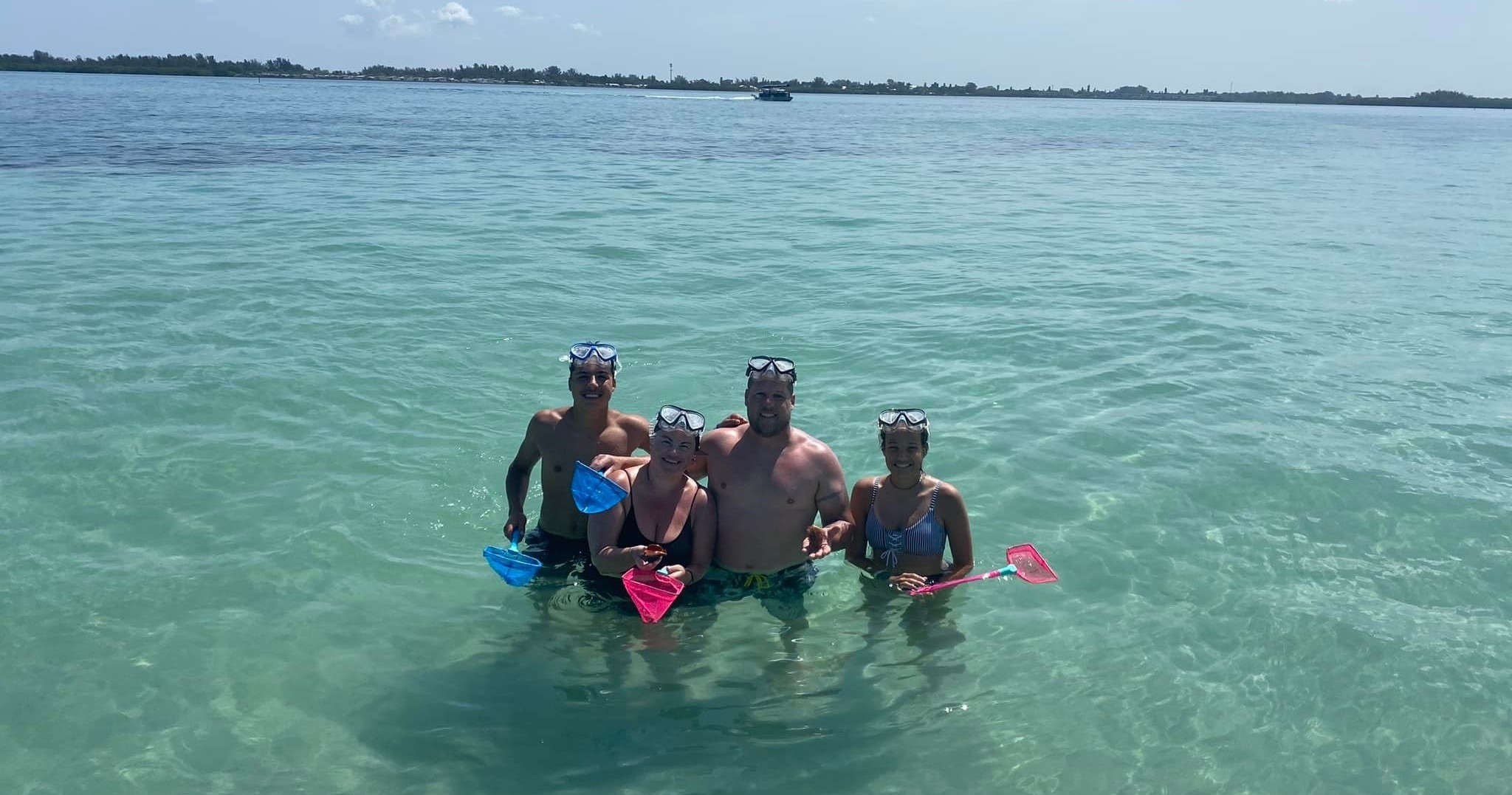
What makes Englewood especially appealing is the balance between accessibility and solitude. It’s not a crowded mega-marina with tour boats elbowing for position; instead, independent outfitters and small eco-operators run morning departures timed for feeding windows and calmer seas. That scale supports better wildlife etiquette—slower approaches, quieter engines, and a priority on observation rather than interaction. It also means the region pairs naturally with other low-impact outdoor pursuits: shelling on quiet beaches, birding among mangroves, or snorkeling shallow flats where rays and small reef fish add texture to a day spent chasing cetaceans.
Yet seeing dolphins well here requires more than luck. Tide charts matter, weather narrows windows, and seasonal events—like red tide blooms or intense summer thunderstorms—can change patterns quickly. Responsible viewing practices are part of the social compact on these waters; keeping distance, allowing animals an escape route, and choosing operators who prioritize habitat protection makes the difference between a photo and a true, low-impact encounter. This guide blends the feel of being on the water with the practical knowledge you need to plan a respectful dolphin trip in Englewood—where the rewards are as much about the place as the animals that define it.
The dolphin experience in Englewood is both cinematic and approachable: morning tours maximize calm seas and active feeding, while paddling routes through mangrove creeks give quieter, up-close perspectives without motor noise. Complementary activities—shelling, snorkeling, and coastal birding—round out multi-day stays.
Respect for wildlife and local stewardship shape the best experiences. Choose small-group eco-tours, check local advisories for algal blooms, and follow NOAA and local guidelines for safe distances to minimize disturbance.
Best Time to Visit
Best Months
Weather Notes
Winters are mild and often the calmest for glassy mornings; summers bring heat, humidity, and frequent afternoon thunderstorms. Red tide and algal blooms can occur seasonally—check local health and wildlife advisories before booking.
Peak Season
December–April (calmer seas and concentrated baitfish make dolphin sightings more consistent).
Off-Season Opportunities
Summer offers quieter waterways and lower prices. Morning excursions can still be excellent; later in the season watch for afternoon storms and algal bloom advisories.
Frequently Asked Questions
Do I need a permit to watch dolphins from a boat or kayak?
No general permit is required for recreational dolphin watching, but certain protected areas may have rules or restricted zones. Commercial operators will hold their own permits; check local marine advisories or conservation area rules for specific zones.
Can I swim with dolphins?
Swimming with wild dolphins is discouraged and in many contexts prohibited. Close approaches, feeding, or attempting direct interaction can stress animals and is illegal in some areas. Opt for observation-only experiences run by responsible operators.
Are guided tours necessary?
No, but guided tours increase the likelihood of sighting dolphins reliably and safely. Local guides know tide windows, feeding areas, and etiquette. For paddle trips, guided outings are recommended for navigation and safety in mangrove channels.
Choose Your Experience Level
Beginner
Casual observers and families seeking gentle, accessible dolphin sightings from comfortable vessels or shorelines.
- Half-day sheltered-bay boat tour
- Short shoreline watching at Englewood Beach or Stump Pass
- Introductory kayak in guided mangrove channels
Intermediate
Paddlers and wildlife photographers who want deeper access to estuaries and longer guided excursions that may involve moderate paddling or longer boat trips.
- Guided full-morning kayak trip through Lemon Bay mangroves
- Small-group photo-focused boat outings
- Snorkel-and-dolphin combination trips in shallow flats
Advanced
Experienced paddlers or private-boat operators looking for navigational challenges, early-morning offshore runs to Boca Grande Pass, or multi-activity days combining fishing, birding and dolphin watching.
- Private charter to Boca Grande Pass at first light
- Self-guided navigation of tidal channels with navigation and tidal planning
- Multi-day coastal itinerary combining offshore and inshore observations
Insider Tips & Local Knowledge
Check tide charts, book morning departures, and prioritize operators with small-group, eco-focused policies.
Start early: mornings are calmer and feeding is often most active before mid-day winds pick up. If you’re prone to seasickness, take preventive medication and choose sheltered-bay trips rather than open-Gulf departures. Book with operators who emphasize slow, non-intrusive approaches and who brief passengers on dolphin etiquette—keeping distance, shutting off engines when animals approach, and never feeding wildlife. Keep a flexible schedule: local conditions like red tide alerts or sudden storms can change plans, and operators will often reschedule or refund when wildlife health is a concern. Lastly, layer sun protection with a light windbreaker—the sun is strong on reflective water, but early mornings can be surprisingly cool.
What to Bring
Essential
- Light waterproof jacket (morning breezes and spray)
- Sunscreen and sun-protective hat
- Polarized sunglasses for glare reduction
- Reusable water bottle and seasickness remedies if prone
- Phone or camera in a waterproof case
Recommended
- Binoculars for scanning channels and mangrove edges
- Neutral-colored clothing to avoid startling wildlife
- Small dry bag for valuables during paddle trips
- Copy of tide chart or app; local guides will use this for timing
Optional
- Compact spotting scope for distant sightings in Boca Grande Pass
- Underwater camera for shallow snorkeling
- Light snacks for half-day outings
Ready for Your Dolphin Adventure?
Browse 31 verified trips in Englewood with instant booking
Explore Top 15 Englewood, Florida Adventures →