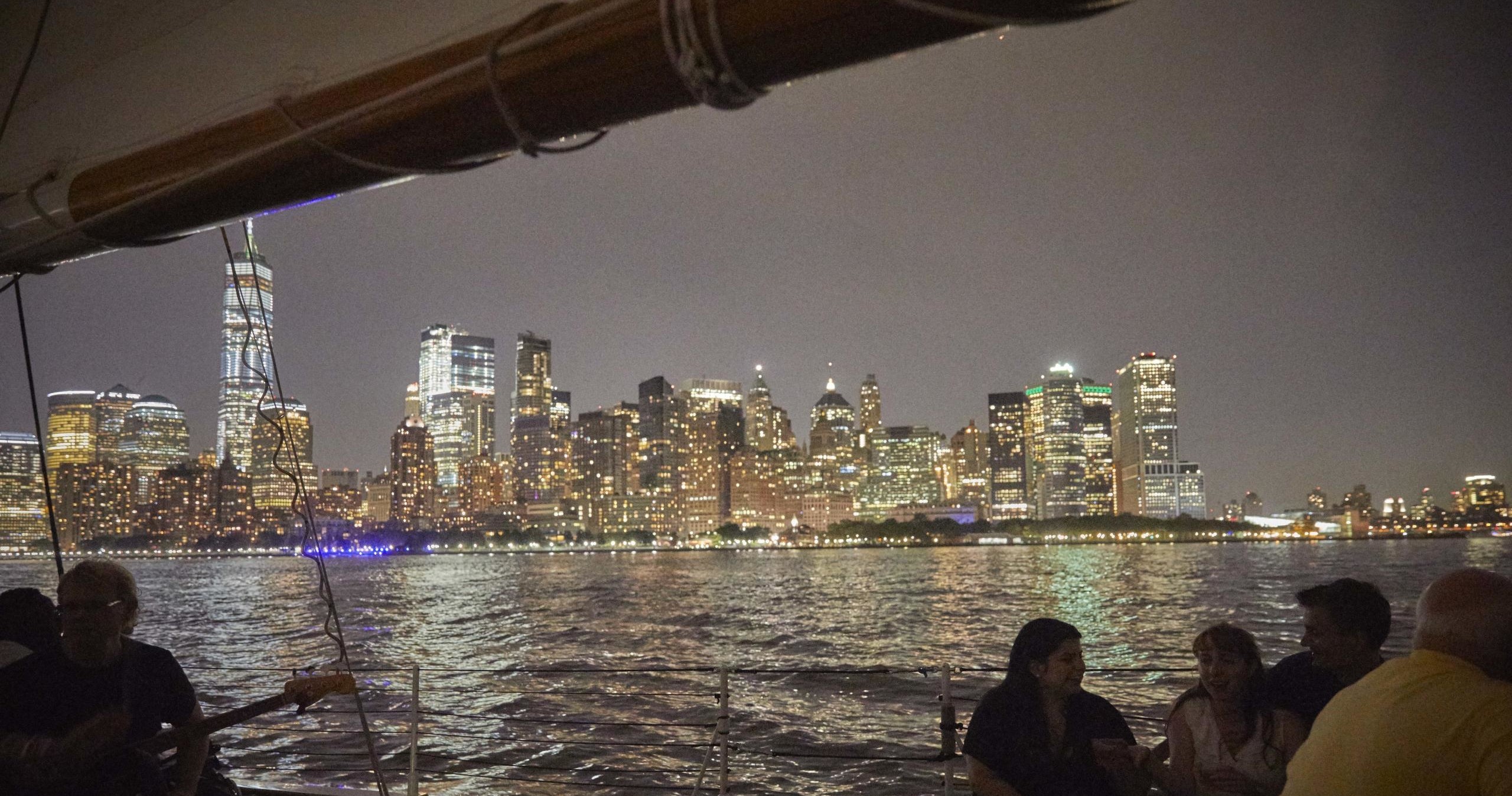
Sailing in Elizabeth, New Jersey
Elizabeth Sailing Guide

Sailing in Elizabeth, New Jersey

Elizabeth sits at the edge of a working industrial estuary where ferries, freighters, and small day-sailors share shifting tides. Sailing here is an exercise in contrasts: urban panoramas of bridges and shipping terminals give way to surprising pockets of sheltered water, wide tidal flats, and skyline views of Manhattan. The local experience is pragmatic and seasonal—ideal for short coastal hops, instruction-focused outings, and as a gateway to broader New Jersey and New York Harbor cruising.

Newark BayArthur KillNew York Harbor approaches

Live destination inventory

Top Sailing Trips in Elizabeth

91 trips · Book with confidence · Instant confirmation

The prototype intentionally does not invent replacement trip cards or add images that are not already part of the live source page.

The city from the water

Why Sail from Elizabeth

There is a distinct poetry to sailing where the city meets the sea: the rhythm of a tide that knows the names of harbors, the low rumble of distant engines, and the sudden clarity of open water framed by a skyline. In Elizabeth, the water is less about glossy postcard beaches and more about movement—tides that carve small channels through mudflats, shipping channels that demand respect, and ferry lanes that keep you alert. For sailors who like to pair practical seamanship with quick access to metropolitan amenities, Elizabeth is an efficient base. Launch days here often begin with coffee at a marina office, a quick rig check, and a cautious threading between moored barges; they end with a slow tack back as the city lights come on and the wind eases. Sailing from Elizabeth is an intimately local affair. Unlike long coastal cruises from resort marinas, outings tend to be short to moderate in length—half-day sails, evening runs, and day trips that link to nearby highlights: a quiet cove on the New Jersey side, a harbor-front restaurant in a neighboring town, or a skyline-anchored photo stop. The proximity to New York Harbor and Sandy Hook expands the possibilities: you can practice harbor maneuvers, join a club race, or take an instructional outing that moves from sheltered basins into more exposed channels. This variety makes the area excellent for learners and for sailors sharpening navigation and tide-reading skills. Expect to switch between calm pockets of water and zones of lively current; the local learning curve rewards attention to charts and a readiness to adapt. Environmental contrasts define the experience. Industrial piers and active cargo terminals sit alongside migratory bird feeding grounds and patches of brackish marsh where egrets and terns pick the edges. Seasonal winds—breezy summer afternoons driven by bay breezes and sharper fall nor’easters—shape itineraries, and tides play a major role in planning departures and returns. The navigation is tactical: know the channels, watch the marker buoys, and maintain VHF awareness around commercial traffic. For travelers, Elizabeth’s sailing scene is appealing because it is accessible, grounded, and unromantic in a productive way—perfect for people who want hands-on time on the water with practical takeaways. Complementary activities enrich a sailing trip here. Kayaking and paddleboarding are common on calmer days and offer a closer look at salt-marsh edges; chartered fishing trips can be combined with a day on the water; historic waterfront neighborhoods and honest seafood restaurants make for satisfying post-sail meals. Whether you are learning to tack for the first time or plotting a short coastal leg to Staten Island or Sandy Hook, sailing out of Elizabeth is a lesson in urban coastal seamanship—equal parts navigation, weather judgment, and appreciation for the working waterways that serve a megaregion.

Sailing in Elizabeth emphasizes short-to-medium coastal outings and skill-building; it’s great for lessons, practice sails, and trips that connect to the wider New York–New Jersey harbor system.

Tidal knowledge and VHF etiquette are essential: commercial traffic and strong currents are regular features, so planning around tides and channel traffic is part of every safe trip.

Activity focus

Choose by purpose

Whale watching, snorkeling, sunset sailing, cultural canoeing, harbor sightseeing, or private chartering.

Departure hubs

Start near the city

Waikiki and Honolulu Harbor are primary hubs, with some trips launching near Hanauma Bay.

Accessibility

Confirm the vessel

Gangways, shaded seating, and boarding requirements vary according to vessel size and operator.

Seasonal planning

Best Time to Visit

Elizabeth is warm year-round, but wind, swell, migration, visibility, and demand change the best match between traveler and trip.

Elizabeth boat tour
Year-round destination

Seasonal highlights change the reason to go

Winter favors humpback encounters; warmer, calmer months favor snorkeling visibility and smoother water.

Humpback season

June through September is the busiest period for charters, lessons, and club activity.

Prime whale watching, winter holidays, higher demand, and earlier sell-outs.

Snorkeling window

May–June–July–August–September–October

Typically gentler seas and clearer water for snorkeling trips.

Weather notes

Trade winds year-round

Warm months bring steady afternoon breezes but also the potential for thunderstorms. Late spring and early fall provide comfortable temperatures and more reliable wind. Winter sailing is possible for experienced crews but involves colder water, higher winds, and greater risk.

Quieter opportunities

Late spring & summer weekdays

Shoulder seasons (May and October) often have lower prices and quieter marinas; winter offers fewer services but can be a good time for maintenance, classroom instruction, and inland simulator training.

Match the trip to your comfort

Choose Your Experience Level

Low effort

Beginner

Short, sheltered sails within protected basins or calm days in nearby harbors. Focus is on basic boat handling, safety briefings, and learning to read wind and tide.

  • Introductory sailing lesson in a protected marina basin
  • Half-day day sail with an instructor
  • Practice docking and short-hands maneuvers
Active day trip

Intermediate

Short coastal hops and harbor transits requiring attention to buoyage, traffic, and tide windows. Ideal for sailors consolidating navigation skills and single-night planning.

  • Day sail to a neighboring harbor or waterfront restaurant
  • Crewed charter focusing on navigation through shipping channels
  • Participation in local club race or practice series
Longer or technical

Advanced

Longer passages that cross busy commercial approaches, planning around tide and weather for multi-leg trips, and offshore or night passages from the harbor to nearby coastal destinations.

  • Passage planning to Sandy Hook and beyond
  • Night transit with full navigation and watch rotations
  • Offshore coastal leg requiring heavy-weather readiness

Prepare for sun, spray, and swell

What to Bring

Essential

Core kit

  • USCG-approved life jacket (PFD) for every person on board
  • Layered, windproof clothing — conditions change quickly on the water
  • Non-slip deck shoes or boat shoes
  • VHF radio or portable marine radio
  • Tide and current tables or an app with tidal data
Recommended

Useful extras

  • Chartplotter or up-to-date paper charts for Newark Bay and approaches
  • Sunscreen, sunglasses, and a hat with retention strap
  • Waterproof bag for electronics and spare dry layers
  • Basic first-aid kit and small tool kit
  • Flashlight or headlamp for dusk returns
Optional

Trip-specific

  • Binoculars for bird and harbor watching
  • Foul-weather gear for unexpected showers or spray
  • Handheld GPS or compass for backup navigation
Always verify marina access, charted channels, and commercial traffic advisories before departure.

Insider Tips & Local Knowledge

Reserve whale-watching and popular sunset cruises well ahead during December–April.
Choose morning snorkeling departures for calmer seas and better underwater visibility.
For motion sensitivity, choose a larger vessel, sit mid-ship, and take preventative medication before boarding.
Do not touch coral or wildlife, avoid standing on reefs, and use reef-safe sunscreen.
Community-based operators may add context about traditional navigation and stewardship.
Arrive early for parking and check-in because Waikiki departure areas can be busy.

Planning questions

Frequently Asked Questions

No special local permits are typically required for private day sailing, but vessels should meet federal and state safety requirements (registration, PFDs, navigation lights). Commercial charters and larger operations operate under additional licensing and insurance rules.
Sailing in Elizabeth, New Jersey
Ready for your sailing adventure?

Browse 91 verified trips in Elizabeth.

Compare current availability and book with instant confirmation.

Explore Elizabeth sailing