12

Airplane Adventures in El Cerrito, California

El Cerrito, California

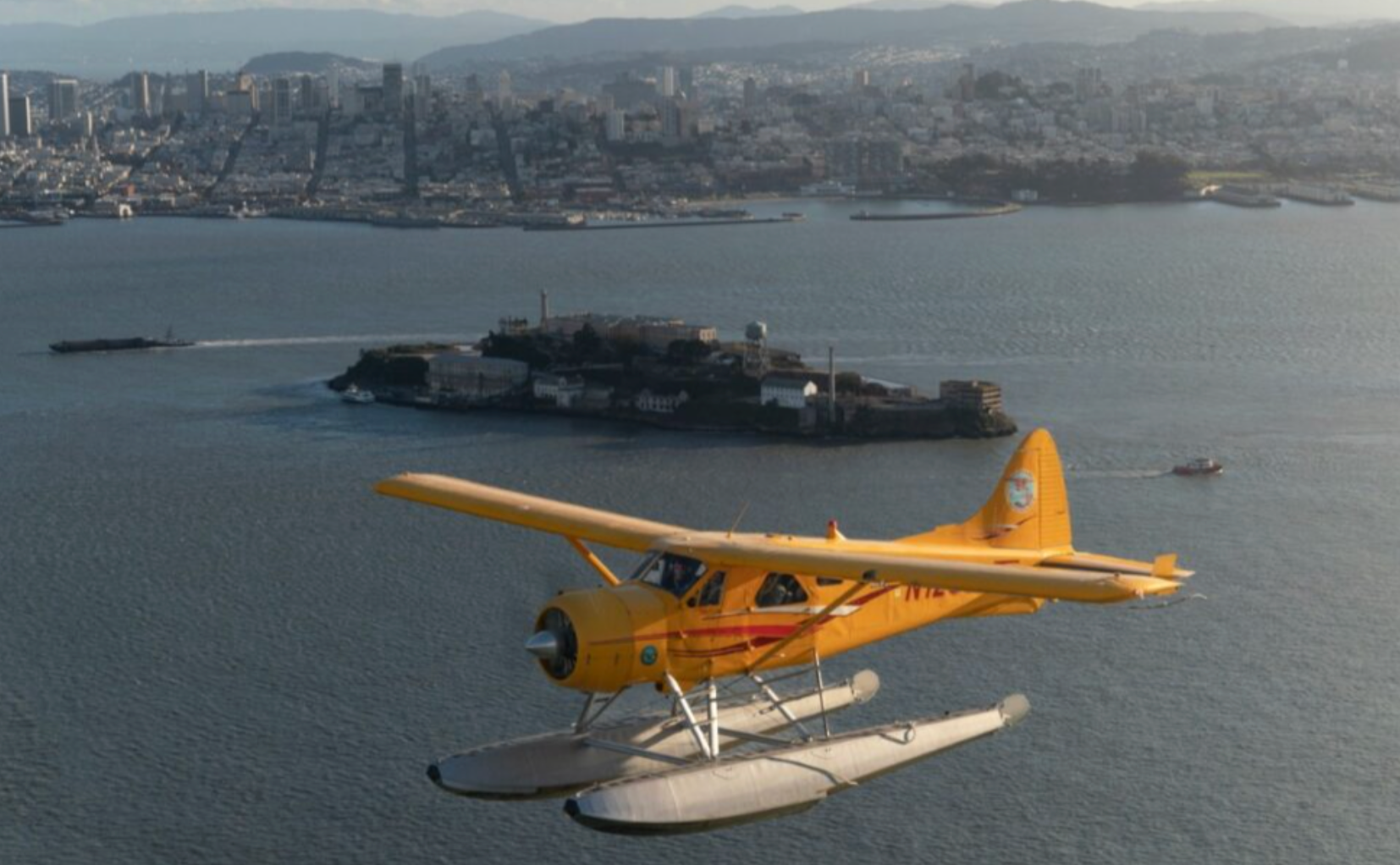
El Cerrito is a compact East Bay town whose true aviation appeal comes from proximity: it’s a residential perch for watching aircraft traffic carve low arcs over the bay, a launchpad for flightseeing that reveals Golden Gate and city skylines, and a neighborhood that feeds into a lively general aviation ecosystem. Whether you’re a photo-focused plane spotter, a first-time discovery-flight passenger, or a pilot-in-training using nearby airfields, El Cerrito is an accessible base for airplane-centered days and afternoons.

18
Activities
Year-round (weather-dependent)
Best Months

Top Airplane Trips in El Cerrito

18 trips • Book with confidence • Instant confirmation

Why El Cerrito Works for Airplane Adventures

From a modest bluff or a waterfront bench in El Cerrito, the sky becomes a stage: commercial jets arc in from the west, prop planes hum low and precise, and sailplanes and radio-controlled models trace patient lines in thermals. The town itself doesn’t host a major airport, but its position on the East Bay rim places it within easy reach of Oakland and other general aviation fields—making El Cerrito a quietly strategic base for aviation-minded travelers.

There’s a duality to the airplane experience here. On the one hand, it’s observational: you can watch approaches and departures, track aircraft by type, and compose photos framed by bay light and shifting fog. On the other, it’s participatory: nearby airfields offer flightseeing tours, discovery flights, and introductory lessons that let visitors step into the cockpit. That mix makes the activity approachable for diverse travelers—families curious about flight, photographers chasing light across metal, and pilots staging short hops or training sorties.

Weather and geography shape the narrative. The Bay—often rimmed in June gloom—creates a dramatic canvas for flight: low clouds can soften light and compress perspective, while clear autumn days deliver the kind of visibility that reveals mountain ridges and the sprawl of the city. Crosswinds flowing down the Golden Gate corridor produce distinctive approach paths that are both a spectacle for spotters and a technical challenge for aviators. Thermal conditions over urban and open spaces also make El Cerrito and its nearby hills an interesting place to observe sailplane and glider activity when conditions allow.

The region’s aviation history threads through the experience. The Bay Area’s 20th-century aerospace and naval activity shaped nearby shorelines and hangars—so even a short plane-centric day trip becomes a lesson in regional industrial and military heritage. Nearby museums and restored hangars (accessible with a short drive) contextualize what you see overhead: many aircraft types in today’s skies evolved from work done locally decades ago.

Practical access is straightforward. El Cerrito’s compact streets give way quickly to freeway corridors and public transit that connect to municipal airports and waterfront observation points. It’s a good staging spot for a half-day that pairs a morning discovery flight with an afternoon of plane-spotting and waterfront walks. Complementary outdoor activities—hiking the East Bay hills for elevated views, kayaking the bay for a waterline perspective, or biking shoreline paths—round out an airplane-focused itinerary and create multiple angles from which to appreciate flight.

Finally, the experience is eminently customizable. If you want quiet observation, pick a sunrise bench and watch the soft first light glaze fuselages; for drama, aim for late-afternoon approaches stacked against a glowing sky. For hands-on engagement, schedule a discovery flight or an introductory lesson at a nearby general aviation field. Across all options, the combination of easy access, varied vantage points, and Bay Area aviation culture makes El Cerrito an unexpected but satisfying destination for airplane enthusiasts and curious travelers alike.

The town’s value is proximity: short drives connect you to active general aviation airports where flightseeing, pilot training, and aircraft rental are routine; in El Cerrito you get the benefit of quieter streets and multiple nearby observation points without airport congestion.

Air quality and visibility vary through the year. Autumn and late winter often offer the best long-distance views; summer mornings can be foggy but create dramatic low-cloud approaches that are visually compelling for photographers.

Activity focus: Plane-spotting, flightseeing, introductory flights, and aviation photography
El Cerrito is a short drive from several East Bay general aviation airports and observation areas
Best photographic light: early morning and late afternoon depending on fog and wind
Bring ID if you plan to board a small aircraft—commercial and charter rules apply
Weather-driven activity: fog, crosswinds, and thermal lift shape what you’ll see

Best Time to Visit

Best Months

MarchAprilMaySeptemberOctoberNovember

Weather Notes

Seasonality matters more here than temperature. Late spring and fall usually deliver steady skies and better visibility. Summers often bring marine layer fog (June Gloom) that can obscure long-distance views in the morning but sometimes produces striking low-cloud approaches. Winter storms reduce flightseeing availability on occasion.

Peak Season

Summer and holiday weekends—more flightseeing demand and busier observation points.

Off-Season Opportunities

Late fall and winter weekdays can offer clearer air for long-range photography and easier scheduling for discovery flights, though rain and low ceilings sometimes limit options.

Frequently Asked Questions

Do I need permits to watch planes or visit observation areas?

Most public observation points require no permit; however, access to airport ramp areas and secured observation decks follows airport-specific rules and may require ID or advance arrangements.

Can I book a short flight or discovery flight near El Cerrito?

Yes—general aviation fields in the East Bay commonly offer scenic flights and introductory lessons. Book in advance, check weight and ID requirements, and ask about cancellation policies tied to weather.

Are there safe spots for airplane photography?

Yes. Waterfront parks, hilltop overlooks, and designated airport viewing areas provide safe, legal vantage points. Avoid trespassing on airport property and respect signage and barriers.

Choose Your Experience Level

Beginner

Low-commitment ways to enjoy airplanes: plane-spotting from public benches or waterfront parks, taking a commercial or small sightseeing flight as a passenger, and visiting nearby aviation exhibits or observation areas.

  • Morning plane-spotting session on a bay-facing bench
  • Short flightseeing tour over the Golden Gate and bay (passenger)
  • Visit to a local aviation museum or hanger exhibit

Intermediate

Hands-on introductory activities: discovery flights, basic aerial photography workshops, and participation in airport open days or guided tours that explain operations.

  • Discovery flight with a flight school instructor
  • Aerial photography session during golden hour
  • Guided tour of a nearby general aviation field

Advanced

Pilot-focused and technical pursuits: renting a single-engine aircraft for cross-country practice, advanced flight training in complex airspace, or organizing sunrise-and-sunset observation shifts for extended photographic projects.

  • Renting an aircraft for a Bay-area cross-country hop
  • Advanced instrument or multi-engine training flights
  • Coordinating long-form aerial photography missions

Insider Tips & Local Knowledge

Check NOTAMs, weather, and airport visitor policies before you go. Respect restricted areas and the privacy of nearby neighborhoods.

Aim for an early-morning or late-afternoon window for the best light and calmer winds; mid-day light can be harsh and flat. If you plan to fly as a passenger or take a discovery lesson, confirm weight limits, ID requirements, and cancellation policies—small aircraft operators are weather-sensitive and often change schedules the morning of a flight. For photography, a mid-telephoto lens and a fast shutter speed help freeze approach and landing sequences; a polarizer can cut glare off the water but may affect sky exposure. When plane-spotting, choose public overlooks and parks rather than perimeter fences; airports enforce strict access rules. If you’re curious about model or radio-controlled aircraft, search for local clubs and fields—these groups usually welcome observers but have safety protocols. Finally, pair your airplane outing with another East Bay activity—hiking a nearby ridge for an elevated perspective, or paddling a calm stretch of the bay to see aircraft reflected on the water—so you get both the thrill of flight and the landscape that frames it.

What to Bring

Essential

  • Government photo ID (if you’ll fly)
  • Camera with a mid-telephoto lens (70–200mm or similar) and spare batteries
  • Binoculars for plane-spotting
  • Layered clothing for coastal wind and rapidly changing temperatures
  • Phone with a flight-tracking app and offline maps

Recommended

  • Light windbreaker or shell for waterfront observation points
  • Ear protection (for tarmac or near-runway viewing)
  • Portable power bank for devices
  • Sun protection and a small daypack
  • Notebook or logbook if taking an introductory lesson

Optional

  • Long lens (300mm+) for detailed registration shots
  • Compact folding stool for long observation sessions
  • Drone (only where legal—check local restrictions and NOTAMs)
  • Small spotting guide or aircraft silhouette app

Ready for Your Airplane Adventure?

Browse 18 verified trips in El Cerrito with instant booking

Explore Top 15 El Cerrito, California Adventures →