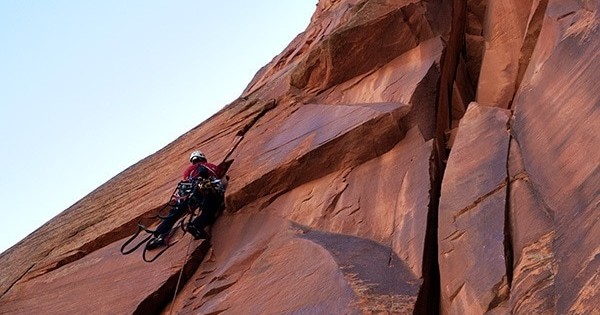
Climbing in Effingham, New Hampshire
Effingham's climbing scene is intimate and scenic—compact crags tucked into forest edges, slab and face climbs that look out over lakes, and boulder fields that invite exploratory sessions. It’s a low-key New England climbing experience: approachable routes for learning and technical lines for honing skills, all within a short drive of water and quiet country roads.
Top Climbing Trips in Effingham
11 trips • Book with confidence • Instant confirmation
Why Effingham Is a Standout Climbing Destination
There’s a particular hush that falls over Effingham’s woods in the early morning—dew on ferns, a distant loon on Province Lake, and the faint sound of shoes scuffing on talus as climbers move toward a modest crag. This quiet is part of the attraction: Effingham doesn’t promise the vertical drama of major alpine ranges, but it delivers something rarer for many climbers—accessible rock, thoughtful routes, and views that marry granite slabs with lake light. The area sits on the fringe of the Ossipee ring-dike, a geologic footprint that translates to varied rock forms, from slabby faces that reward balance and technique to chunkier holds that demand careful footwork. Routes here tend to be short to moderate in length, which makes Effingham ideal for skill-building sessions, top-rope practice, and half-day objectives that pair nicely with a paddle on the lake or a nearby hike.
The climbing culture in and around Effingham leans practical and local. You won’t find bolted mega-walls or long, polished sport routes common to high-traffic crags, but you will find well-placed lines—trad pitches, mixed sport/trad options, and boulder problems tucked among mossy outcrops. Because many of the approaches are woodland walks rather than paved trails, the setting feels intimate: leaves underfoot, birdcalls, and the immediate sense of being somewhere that hasn’t been overhauled for recreation. That low-key quality also means route information can be fragmentary—guidebooks, local beta, and word-of-mouth often matter more than glossy topo sheets. For travelers, that’s an invitation to slow down, connect with local climbers when possible, and treat each outing as both a practice of movement and discovery.
Seasonality defines much of the experience. Late spring and early fall offer the best friction and most comfortable temperatures; summer afternoons can be warm and humid, and the forest insects are part of the rhythm. Access is simple compared to more remote ranges—many crags are an easy drive from small town centers with parking that suits day trips—but always check current access notes and respect private land. Complementary activities enhance the climbing day: swim sessions at Province Lake to cool off, paddle routes around quiet coves, and short hikes to viewpoints creating a rounded outdoor itinerary. In short, Effingham rewards climbers who favor technical refinement over spectacle and who appreciate routes that fit into a day of varied outdoor pleasures.
Accessible approaches: Many crags are short walks from roadside parking, making this an easy spot for half-day climbs and evening sessions.
Varied terrain: Expect slab, face, and bouldering—good terrain for technique work, trad practice, and building confidence on smaller leads.
Near-water recovery: Lakes and ponds nearby make refreshing post-climb swims or paddles a natural complement to a climbing day.
Community-driven beta: Route information is often passed between local climbers; connecting with nearby climbing groups yields the best, up-to-date info.
Best Time to Visit
Best Months
Weather Notes
Late spring and early fall bring the most comfortable climbing conditions with cooler temps and better friction. Midsummer can be humid and warm; expect morning or evening sessions to avoid heat. Winters are cold and snowy—ice forms in the region but reliable ice climbs are better sought in nearby higher-elevation areas.
Peak Season
Late spring through early fall, with weekends busier during pleasant weather.
Off-Season Opportunities
Shoulder seasons offer solitude and crisp climbing days. Winter approaches are possible for training and dry-tool practice, but many routes will be snow-covered or icy.
Frequently Asked Questions
Do I need permits or reservations to climb in Effingham?
Most climbing areas around Effingham are accessible without a permit, but some routes may cross private land or have seasonal restrictions. Always verify access before you go and respect private property and posted signs.
Are there guide services or gear rentals nearby?
There are no large commercial climbing gyms in Effingham itself. Guide services and gear rental are more commonly based in larger regional hubs; search for White Mountains guide services for instruction and rental options, and contact them ahead of your trip.
Is the climbing suitable for beginners?
Yes—Effingham has top-rope and short trad routes well suited for beginners and skill-building. Bouldering areas provide low-commitment practice for movement and footwork. However, bring a knowledgeable partner or hire an instructor if you’re new to lead climbing or trad protection.
Choose Your Experience Level
Beginner
Top-rope lines, easy approach boulders, and slab routes that emphasize balance and footwork without long runouts.
- Top-rope practice on low-angle faces
- Skill sessions on short slab routes
- Bouldering warm-ups near lake-side outcrops
Intermediate
Longer single-pitch routes with moderate gear placements, mixed bolted/trad lines, and sustained slab challenges.
- Lead a single-pitch trad route
- Multi-boulder circuits with link-ups
- Technique-focused slab sessions
Advanced
Technical leads that require precise footwork, advanced trad rack management, or problem-solving on short but technical faces.
- Technical trad leads with small gear placements
- Projecting difficult boulder problems
- Route-finding on less-developed crags
Insider Tips & Local Knowledge
Respect access, stay aware of seasonal changes, and plan for modest approaches.
Start early to catch cooler rock and quieter parking. Many crags have short, sometimes narrow, approaches through woods—wear long pants during tick season and check for ticks after your session. Local beta matters: route descriptions can change, so connect with nearby climbing groups or check recent trip reports for anchor condition and possible closures. Anchor checks are essential—inspect slings, bolts, and natural anchors before trusting them. If you need instruction or a guided day, reach out to regional guide services based in the White Mountains or Lakes Region. Pack out all tape, trash, and excess gear; leave no trace keeps these smaller areas open to climbers. Finally, pair a climbing day with a swim or paddle at Province Lake to recover and appreciate the area’s quiet, reflective landscapes.
What to Bring
Essential
- Climbing shoes and chalk
- Harness, helmet, belay device, locking carabiner
- Rope (60–70m) for multi-pitch or longer approaches
- Basic trad rack if planning trad leads (cams, nuts, slings)
- Water, sun protection, and basic snacks
Recommended
- Top-rope anchor slings and quickdraws for bolted anchors
- Approach shoes with good traction
- Light first-aid kit and tape for hands
- Guidebook or route topo (digital or printed)
- Tick-repellent and a tick removal tool
Optional
- Crash pad for bouldering
- Small foam sit pad or lightweight camp chair for breaks
- Hand balm and finger tape for sustained sessions
- GPS or offline map—cell service can be spotty on some approaches
Ready for Your Climbing Adventure?
Browse 11 verified trips in Effingham with instant booking
Explore Top 15 Effingham, New Hampshire Adventures →