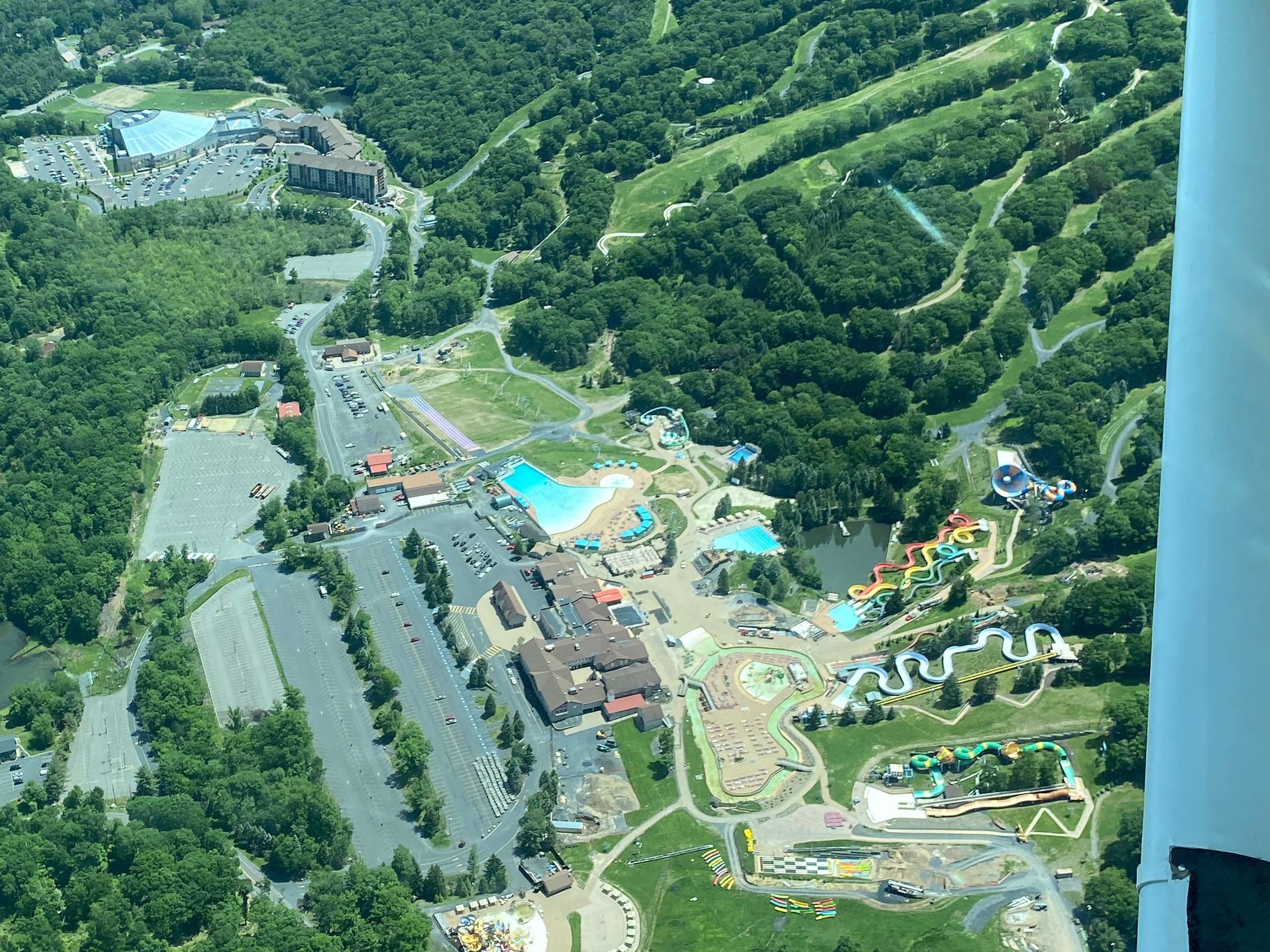
There’s a particular clarity to the Lehigh Valley when you rise above it. From the cockpit or the doorway of a sightseeing helicopter, Easton reads like a layered map: the braided meeting of two rivers, the grid of a historic downtown, ribboned canals and rail corridors threading past brick factories, and then the soft, wooded rise toward the Pocono foothills. An air tour here is less about altitude and more about narrative—the short, deliberate arcs that reveal how geology, commerce and settlement have shaped the land.
Morning flights are a revelation: still air, long shadows, and the river glassing the town back like a mirror. Spring brings a patchwork of new greens and river currents that pull sunlight into glittering veins. Autumn is the obvious draw—an aerial vantage that turns valley slopes and suburban edges into a warm quilt of color. Even winter has its virtues: crisp visibility and the hard geometry of bridges and canal walls that can disappear under summer haze. That seasonal variation is part of what makes flying near Easton compelling; the same route offers a different story in June than it does in October.
Practically, the region is compact and photogenic. Easton’s mix of industrial architecture and preserved riverfront makes for compelling low passes, while slightly longer circuits reward with distant ridgelines and the silhouette of the Delaware Water Gap on clear days. Air tours are also a thoughtful complement to other outdoor pursuits here: a reconnaissance flight can show paddlers the sweep of the river corridor they intend to explore, highlight access points for riverside hiking, or orient cyclists planning a ride along the Lehigh Valley trails. For photographers and landscape-minded travelers, controlled altitudes and carefully timed flights—sunrise or late-afternoon runs—are where the real magic is found.
There are practical realities to respect: flying close to waterways and small towns means controlled flight corridors, noise considerations, and weather-dependent windows. Operators tend to favor early morning or late afternoon when winds are light and visibility is optimal. For travelers, an aerial excursion in Easton is less a checklist item and more a short, concentrated primer on the valley: a way to see patterns that are hard to perceive from the ground and an efficient way to decide where to spend the rest of your trip on foot, bike, or water.
Air tours reveal how the Lehigh and Delaware rivers shaped industry and settlement—miles of canal, mills and rail are easier to read from above.
Best light and calmest air arrive early; mid-afternoon can be hazy in summer and gusty on clear winter days.
The harbor is the gateway, and the Pacific becomes the classroom.
Combine a flight with riverside activities—paddling, cycling, or a guided walking tour—to build a layered, ground-to-air itinerary.
Choose by purpose
Whale watching, snorkeling, sunset sailing, cultural canoeing, harbor sightseeing, or private chartering.
Start near the city
Waikiki and Honolulu Harbor are primary hubs, with some trips launching near Hanauma Bay.
Confirm the vessel
Gangways, shaded seating, and boarding requirements vary according to vessel size and operator.