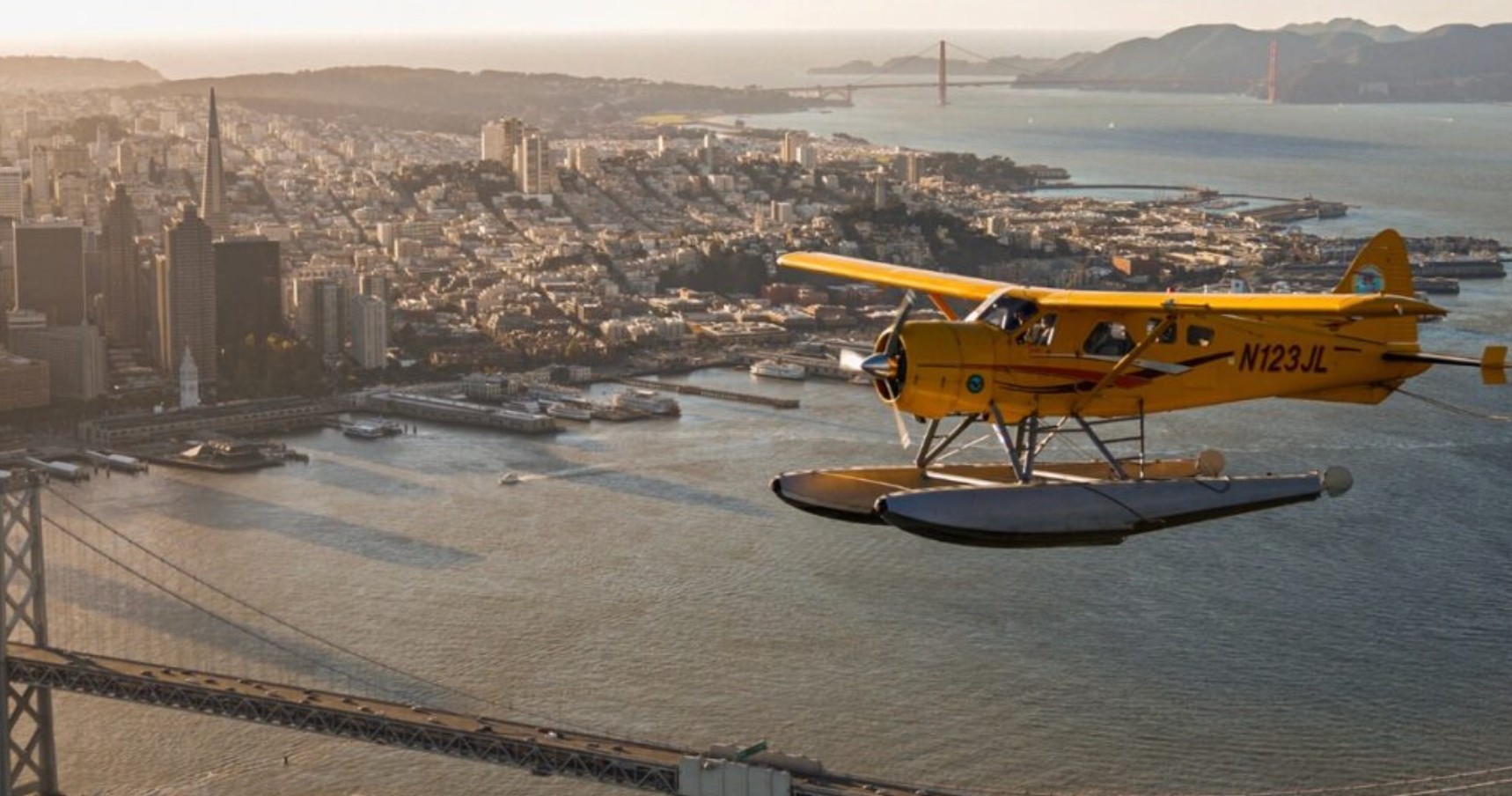
East Palo Alto’s relationship with flight is intimate, local, and often unexpected. From salt-pond shorelines and protected marshes that attract wary shorebirds, to the broad sweep of sky over Silicon Valley, the area provides layered vantage points for airplane-focused travelers. On any clear afternoon you can watch a mix of single-engine trainers, corporate turboprops, vintage taildraggers, and the steady procession of commercial aircraft threading approach paths into San Francisco. That proximity—short taxi rides to small airports, easy access to Moffett Field’s historic hangars, and the expanse of the Bay for scenic loops—creates a dense palette of experiences: plane-spotting sessions that feel like a quiet ritual; discovery flights that turn familiar tech campuses into a mosaic below; and flight-training introductions for those who want to trade the ground for the cockpit.
Beyond the machines themselves, East Palo Alto is an excellent base for blending aviation with natural and cultural exploration. The Baylands trails, a few miles from the flight paths, invite low-key birdwatching and sunset walks that often coincide with the most photogenic light for planes against a pastel sky. On the water, paddling or shore-based photography can frame seascapes with aircraft gliding along the horizon. The region’s aviation story also contains history: Moffett Field’s Art Deco hangars and the legacy of early Bay-area aviation tie modern flying to a longer narrative of innovation and exploration. That context makes airplane experiences here more than isolated tours—they become a way to read a landscape shaped by water management, urban growth, and the steady hum of flight.
Practicality is part of the appeal. Short scenic flights are accessible—many operators offer discovery or introductory flights that require little prior experience—while aerial photography charters and training sorties open opportunities for repeat visitors to deepen their engagement. The weather follows a characteristic Bay pattern: summer marine layers can hide distant vistas in the morning but often burn off for crisp afternoon visibility; late summer and early fall frequently provide the most stable flying conditions. The area’s small-airport economy means you’ll find both budget-friendly lessons and specialty operators running vintage or photography-focused sorties. Responsible travel matters here: noise-sensitive neighborhoods and fragile marsh habitats mean pilots, operators, and visitors must balance curiosity with stewardship. When done thoughtfully, airplane experiences in East Palo Alto turn the simple act of looking up into a layered exploration—technical, environmental, and quietly cinematic—one that rewards patience, a good pair of binoculars, and a willingness to see a familiar region from an unfamiliar angle.
Plane-spotting on the Baylands offers a calm, observational way to enjoy aviation without getting airborne—bring optics and a field guide for aircraft silhouettes.
Discovery flights and introductory lessons from nearby small airports are ideal entry points for travelers curious about flying; many are designed for first-timers and last less than an hour.
The harbor is the gateway, and the Pacific becomes the classroom.
Aerial photography and drone etiquette intersect in this region: if you plan to capture aircraft or landscapes from above, check local regulations and prioritize wildlife-safe altitudes over marshes.
Choose by purpose
Whale watching, snorkeling, sunset sailing, cultural canoeing, harbor sightseeing, or private chartering.
Start near the city
Waikiki and Honolulu Harbor are primary hubs, with some trips launching near Hanauma Bay.
Confirm the vessel
Gangways, shaded seating, and boarding requirements vary according to vessel size and operator.