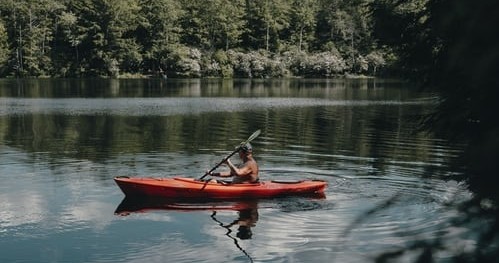
Top 15 Kayak Adventures in East Lyme, Connecticut

East Lyme, Connecticut

East Lyme’s shoreline reads like a paddler’s primer: sandy beaches, tidal marshes that hum with birdsong, and a sheltered river channel that threads past docks, boatyards, and low coastal forest. This guide collects 15 kayak outings—day trips and short exploratory routes—that showcase estuary paddling, open-sound crossings for confident sea kayakers, and easy family-friendly floats through shallow salt marshes.

15
Activities
Spring–Fall (peak late spring to early fall)
Best Months

Top Kayak Trips in East Lyme

15 trips • Book with confidence • Instant confirmation

Why East Lyme Is a Standout Kayaking Destination

There’s a particular hush to paddling East Lyme before the sun lifts fully above the Sound: loons voice the morning, grasses glint with dew, and the village wakes along narrow harbors. Kayaking here is an exercise in contrasts—gentle estuary cruising where a single sweep of the paddle brings you past saltmarsh creeks and fiddler crabs, then, a few minutes later, the salt-sweet slap of Long Island Sound against a rocky shoreline. For paddlers of varying appetites, East Lyme offers a compact but richly textured coastline. The Niantic River threads inland from Niantic Bay, carving a sheltered corridor that is ideal for learning tides and working with current rather than against it. At low tide the river reveals mudflats and wading birds; at high tide it becomes a reflective, tree-lined channel that makes navigation intuitive and forgiving.

Beyond the estuary, the Sound presents open water options that reward preparation with horizon views, island hops, and encounters with working watercraft: lobster skiffs, sailboats, and the occasional coastal freighter. The geology is forgiving for day paddles—sandy beaches for easy landings, rocky headlands for short explorations, and coves that invite picnic pulls. Because the coastline is densely stitched with small public launch points and state park access, you can plan short shuttle-free loops or longer point-to-point adventures that end at a café or local marina. Seasonality shapes the experience; spring and fall bring migrating birds and fewer crowds, while summer fills beaches and provides warm water for casual swims off the bow. Weather plays a big role here: wind and tide combine to change conditions quickly, so local knowledge and tide tables are part of any smart trip plan.

East Lyme is also quietly social. Paddling paths often intersect with other outdoor pursuits—stand-up paddleboarding and recreational boating live alongside anglers casting from shore, and beachfront towns offer flat stretches for post-paddle cycling or a slow walk along the boardwalk. Cultural texture matters too: the area’s maritime heritage—old boatyards, seasonal clam shacks, and working piers—lends a lived-in feel to each outing. For travelers, that means you can design a day that mixes technical training (tide reading, ferry glides, or bracing in chop) with leisurely discovery: birding from a cockpit, scouting tide pools, or landing on a quiet spit to eat a sandwich and watch the channel. Practical access is straightforward: public parking at state parks and municipal boat launches, rental shops that provide guided trips and gear, and short drives between launch points make East Lyme a low-friction coastal kayak destination. Whether you’re after a calm family float through grassy creeks or a spirited sea-kayak crossing under blue-sky winds, East Lyme distills coastal paddling into accessible, satisfying routes.

The Niantic River offers protected paddling for beginners and provides an excellent classroom for tides, current, and basic navigation.

Long Island Sound delivers true coastal variety—beach landings, island hop potentials, and exposed shorelines—suitable for intermediate and advanced paddlers who plan around wind and tide.

Salt marsh creeks behind barrier beaches are hotspots for birding and quiet exploration; launch early to see shorebirds and migratory species at their most active.

Rocky points and state parks provide easy put-ins with facilities and predictable parking, making them reliable starting points for day trips.

Local outfitters and guided tours are available seasonally, offering instruction, rentals, and tide-aware route planning for visitors.

Activity focus: Coastal & Estuary Kayaking
Number of curated trips: 15 (various lengths and difficulty)
Typical conditions: tidal estuary currents, sheltered bays, occasional open-sound chop
Best suited for: beginners (sheltered routes) to advanced paddlers (open-water legs)
Launch types: sandy beaches, concrete ramps, small public boat launches

Best Time to Visit

Best Months

MayJuneJulyAugustSeptemberOctober

Weather Notes

Late spring through early fall yields the most reliable warm-water paddling and calmer conditions. Summer afternoons can bring onshore breezes and short storms; fall offers crisp air, lower humidity, and excellent bird migration viewing. Early-season paddlers should be mindful of cooler water temperatures and dress for immersion.

Peak Season

June–August (beaches and waterfront areas busiest; plan launches early)

Off-Season Opportunities

May and September–October provide quieter waterways, active migration, and pleasant paddling temperatures; winter paddling is possible only for experienced sea kayakers with cold-water gear.

Frequently Asked Questions

Do I need permits to launch a kayak in East Lyme?

Most municipal and state launch points are open to the public; some parks may charge a parking fee or seasonal access fee. Check signage at individual launch sites and park websites for the latest information.

Are guided kayak tours available?

Yes—seasonal outfitters commonly offer rentals, lessons, and guided estuary or coastal tours. Guided options are especially useful for tide-aware coastal routes and for paddlers new to sea conditions.

How do tides affect kayaking routes here?

Tides shape depth, current direction, and the exposure of mudflats and sandbars. Plan routes with tide tables in mind: some marsh channels are passable only at higher tides, and certain landings are easier at particular tide stages.

Choose Your Experience Level

Beginner

Calm, sheltered estuary routes and short marsh floats with minimal exposure to open water—ideal for first-time paddlers or family outings.

  • Niantic River easy float
  • Protected marsh creek exploration
  • Beach landing and short paddle along a sheltered bay

Intermediate

Longer estuary loops, short open-sound crossings in light wind, and paddles that require tide planning and basic self-rescue skills.

  • Point-to-point along the Sound with beach landings
  • Harbor-to-harbor coastal loop
  • Extended Niantic Bay circuit with wind exposure

Advanced

Open-water paddles on Long Island Sound with significant fetch or exposed headlands, requiring navigation, reading of wind and tide, and expedition planning.

  • Cross-channel paddles with tidal planning
  • Long Island Sound day crossings or island hops (for experienced sea kayakers)
  • Windy condition training and assisted-rescue practice

Insider Tips & Local Knowledge

Tides and wind dictate outcomes—plan conservatively and check local forecasts before launch.

Start early to dodge afternoon sea breezes and beach crowds; morning glassy water on the Niantic River is common and ideal for photography. Use tide tables to avoid being routed into exposed mudflats at low tide—some marsh channels look passable until they’re not. Keep an eye out for working boats; maintain distance from lobster gear and communicate politely with skippers if you need to cross a working channel. If you’re new to coastal paddling, book a guided trip—local guides can teach current-reading, surf launches, and local put-in etiquette in a single morning. Dress for immersion: even warm days can hide cold water, and a wind jacket or thin drytop makes long paddles more comfortable. Finally, combine a paddle with a short land excursion—post-paddle ice cream on the Niantic boardwalk, a shoreline walk, or a bike ride—so your day feels like both an adventure and a coastal escape.

What to Bring

Essential

  • Proper-fitting personal flotation device (PFD)
  • Spray skirt for sea kayak or dry bag and spray skirt alternative for touring kayaks
  • Map or GPS with local coastline and tide data
  • Water, snacks, and sun protection (hat, sunglasses, SPF)
  • Footwear for rocky or muddy landings

Recommended

  • Whistle and VHF or waterproof phone in a dry case
  • Tide and current table (printed or app) and basic route plan left with someone
  • Light wind jacket and quick-dry layers (temperatures can change on the water)
  • Spare paddle and basic repair kit

Optional

  • Binoculars for birding marshes
  • Fishing license and rod for shore fishing where permitted
  • Camera with waterproof housing
  • Light anchor or shore tie for beach stops

Ready for Your Kayak Adventure?

Browse 15 verified trips in East Lyme with instant booking

Explore Top 15 East Lyme, Connecticut Adventures →