2

Dolphin Watching & Marine Encounters in Eagleswood Township, New Jersey

Eagleswood Township, New Jersey

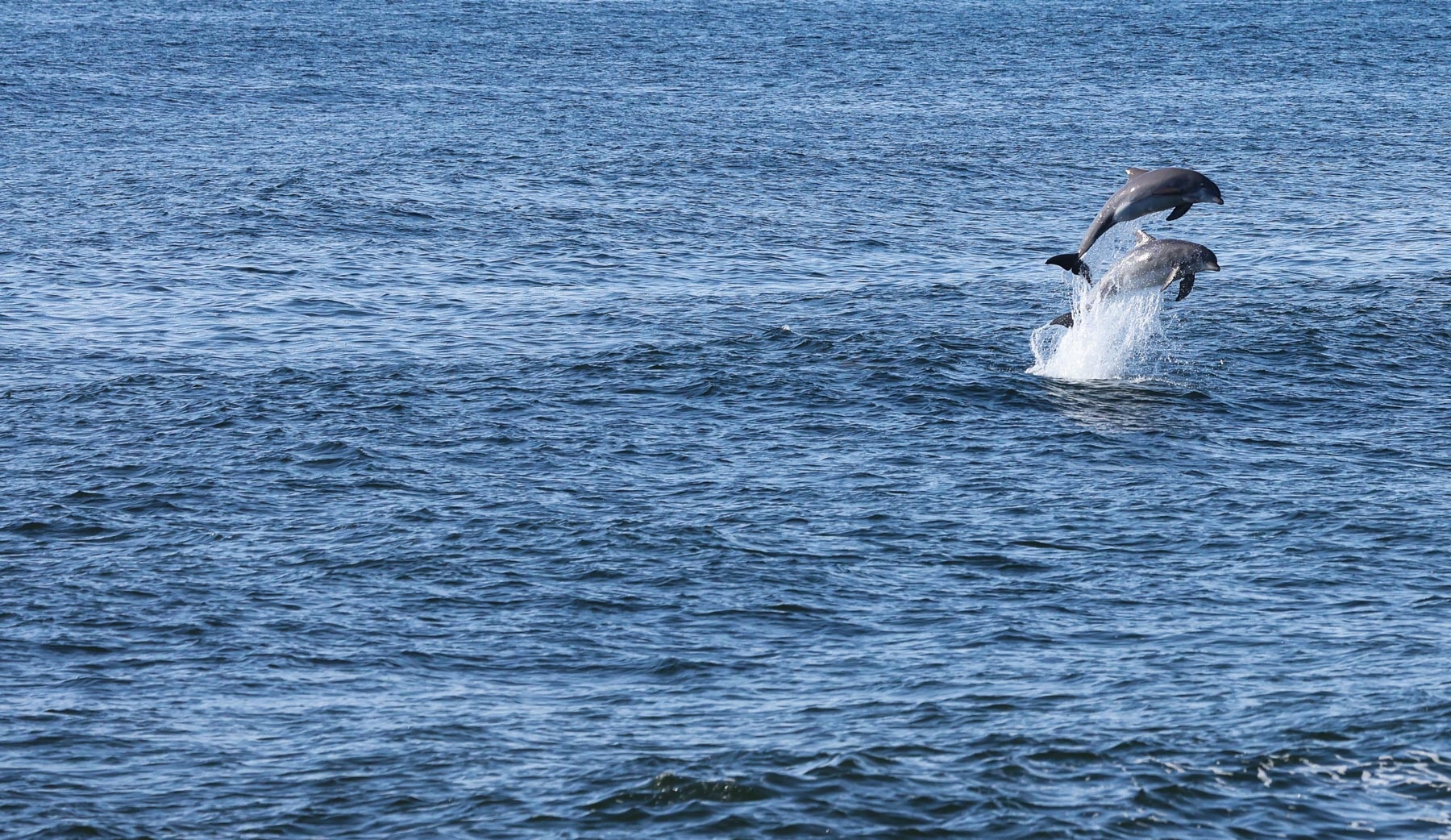
Eagleswood Township sits at the eastern edge of New Jersey’s bay and barrier system—a place where narrow tidal channels, marsh fingers, and open water mingle to create a surprisingly intimate theater for dolphin encounters. During the warmer months, resident and transient bottlenose dolphins cruise the shallows and bays, chasing schools of forage fish, leaping in the wash of working boats, and occasionally sliding close enough to a kayak or bow to turn a day on the water into an up-close marine moment. This guide focuses on how to find dolphins from small craft or shore, how to plan safe and respectful trips, and how to combine dolphin watching with paddleboarding, birding, and coastal exploration.

3
Activities
Late spring–early fall
Best Months

Top Dolphin Trips in Eagleswood Township

3 trips • Book with confidence • Instant confirmation

Why Eagleswood Township Is a Standout Dolphin-Watching Destination

Eagleswood Township feels small on a map but expansive in its coastal character. Tucked into the shallow labyrinth of Barnegat Bay and Little Egg Harbor, the township’s shoreline and marsh edges provide the kind of sheltered feeding and travel corridors dolphins favor. Bottlenose dolphins—adept at exploiting tidal flows and concentrated schools of bay fish—have adapted to these estuarine environments, where deep channels thread through flats and coves give momentary refuge from the open Atlantic. For visitors, that means dolphin sightings often occur closer to shore than you might expect: riding a boat along the channel, paddling a quiet inlet at dawn, or joining a short charter out of a neighboring ramp can yield thrilling, low-key encounters.

The character of the place shapes the experience. This is not the high-speed, pelagic whale-watch model; it’s quieter, more local. The salt marshes hum with birdlife—herons, terns and osprey—creating a layered soundtrack and sightline for marine animals. Tidal movement concentrates baitfish at channel mouths and along jetty edges, and dolphins follow that predictable pulse. Seasonality matters: late spring through early fall brings consistent sightings as fish move into warmer shallow water and social pods restructure after winter. Evening chases can be particularly cinematic—dolphins corralling schools near shore with a backdrop of pink light over the bay.

Eagleswood’s human scale also offers more access choices. Kayak and SUP launches from sheltered coves let paddlers witness dolphins navigating the same narrow passages, while small-boat charters and family-run excursions from nearby towns focus on education and careful navigation around marine life. Combining a dolphin outing with exploratory activities—tidepool searches, salt-marsh walks, and local seafood meals—makes a day feel complete: animal encounter, coastal context, and cultural connection. Conservation-minded travelers will appreciate that these experiences are best enjoyed slowly and respectfully; operators and experienced paddlers emphasize distance, no-chase approaches, and leaving wildlife behavior unaltered.

Finally, Eagleswood offers a kind of accessible magic: you don’t need to travel far offshore to feel the thrill of wild marine mammals. The topology of bay and inlet, the rhythm of the tides, and the seasonal congregations of fish make this stretch of the Jersey coast an efficient place to look for dolphins while also sampling the coastal ecology that sustains them. That blend—intimate access, varied microhabitats, and community-centered operators—makes Eagleswood Township a rewarding spot for travelers eager to combine practical planning with the unpredictable joy of seeing dolphins in their natural element.

The estuarine geography is the engine: shallow flats, protective marshes, and deeper navigation channels create feeding hotspots where dolphins exploit tidal funnels and bait concentrations.

Encounters here tend to be daytime and seasonal—peak activity aligns with warmer months and tidal movements that bring prey into the bays and inlets.

Because much of the coastline is sheltered, small craft (kayaks, SUPs, skiffs) are ideal platforms for quiet observation; they allow for lower wakes and less disturbance compared with larger vessels.

Dolphin-focused outings pair well with birding, inshore fishing, and kayak marsh tours—so plan a full-day coastal itinerary to make the most of local resources and varying tide windows.

Activity focus: Dolphin watching and inshore marine encounters
Typical species: Bottlenose dolphins (Tursiops truncatus)
Best platforms: Kayak, stand-up paddleboard, small skiff or guided charter
Common seasons: May–September, with peak sightings in summer
Accessibility: Launch points and charters available from nearby ramps—confirm seasonal hours

Best Time to Visit

Best Months

MayJuneJulyAugustSeptember

Weather Notes

Late spring through early fall brings warmer water and higher baitfish activity; mornings are generally calmer and clearer for sightings while afternoons can build breeze and chop. Summer humidity is common; watch afternoon sea breezes and occasional thunderstorms.

Peak Season

June–August (highest frequency of sightings and visitor activity)

Off-Season Opportunities

Shoulder months (May and September) often offer quieter conditions with consistent dolphin activity; late fall and winter sightings are rarer but possible—expect colder water and limited launch services.

Frequently Asked Questions

Do I need a boat to see dolphins in Eagleswood Township?

No—you can sometimes see dolphins from shoreline vantage points or piers at channel mouths, but small boats, kayaks, and SUPs increase your chances by getting you closer to active feeding zones. Guided charters maximize opportunity and reduce the planning burden.

Are there rules about approaching dolphins?

Yes. Federal and local guidelines protect marine mammals. Operators and paddlers should avoid chasing, harassing, or attempting to touch dolphins, and should minimize sudden changes in speed or direction. Check current regulations and follow the guidance of licensed guides.

What should I expect during a typical dolphin-watching trip?

Trips often include transit along tidal channels, focused slow-speed observation near bait congregations, and time for photography. Sightings can be brief and sporadic—patience and quiet observation improve the experience.

Choose Your Experience Level

Beginner

Ideal for families and first-time paddlers—calm bay waters and guided short tours provide safe, low-stress introductions to dolphin watching.

  • Guided 1–2 hour dolphin skiff tour from a nearby ramp
  • Introductory kayak tour along protected inlets
  • Shore-based viewing at channel mouths and local piers

Intermediate

For confident paddlers and small-boat operators comfortable navigating tidal flows and longer outings; requires basic boat handling and awareness of currents.

  • Half-day kayak or SUP loop with tide planning
  • Small-group charter exploring multiple channel mouths
  • Photography-focused excursions timed to dawn or dusk

Advanced

Experienced mariners who can plan multi-hour trips across open-inlet conditions and respond to changing weather and tidal patterns.

  • Extended inshore/offshore boat trips that combine dolphin spotting with nearshore pelagic searches
  • Navigating cross-bay passages at optimal tide windows
  • Coordinated wildlife surveys or photography missions requiring advanced planning

Insider Tips & Local Knowledge

Always verify launch access, tides, and local regulations before heading out.

Start at first light: morning hours often bring calmer seas and concentrated feeding as fish move with the tide. Use a tide app to identify banked baitfish and channel mouths—these are reliable places to check. If paddling, keep your group small and your speed steady to avoid creating wakes that can disturb wildlife. When you find dolphins, reduce throttle, cut engine noise if possible, and allow the animals to approach on their terms. Bring polarized lenses to spot subsurface movement and scan the horizon for dorsal fins; sometimes a single back or blow is followed by a larger pod. Combine your dolphin outing with a birding checklist—the same tidal dynamics that concentrate fish also attract terns, gulls, and raptors. Finally, favor local guides and operators who practice low-impact viewing; community-led outfits often know the best seasonal windows and respect conservation-minded approaches.

What to Bring

Essential

  • USCG-approved life jacket (PFD) for every boater or paddler
  • Waterproof layers and sun protection (hat, sunscreen, sunglasses)
  • Binoculars for distant sightings and birdwatching
  • Plenty of water and snacks for day trips
  • Phone in waterproof case and a charged GPS or navigation app

Recommended

  • Light wind shell for breezy mornings or evenings
  • Waterproof camera or action camera with wrist strap
  • Reusable trash bag—pack out all waste
  • Tide chart or app to plan launch and return around tidal currents

Optional

  • Polarized sunglasses to reduce glare and spot surface activity
  • Compact fish ID or marine life guide
  • Dry bag for extra layers and electronics

Ready for Your Dolphin Adventure?

Browse 3 verified trips in Eagleswood Township with instant booking

Explore Top 15 Eagleswood Township, New Jersey Adventures →