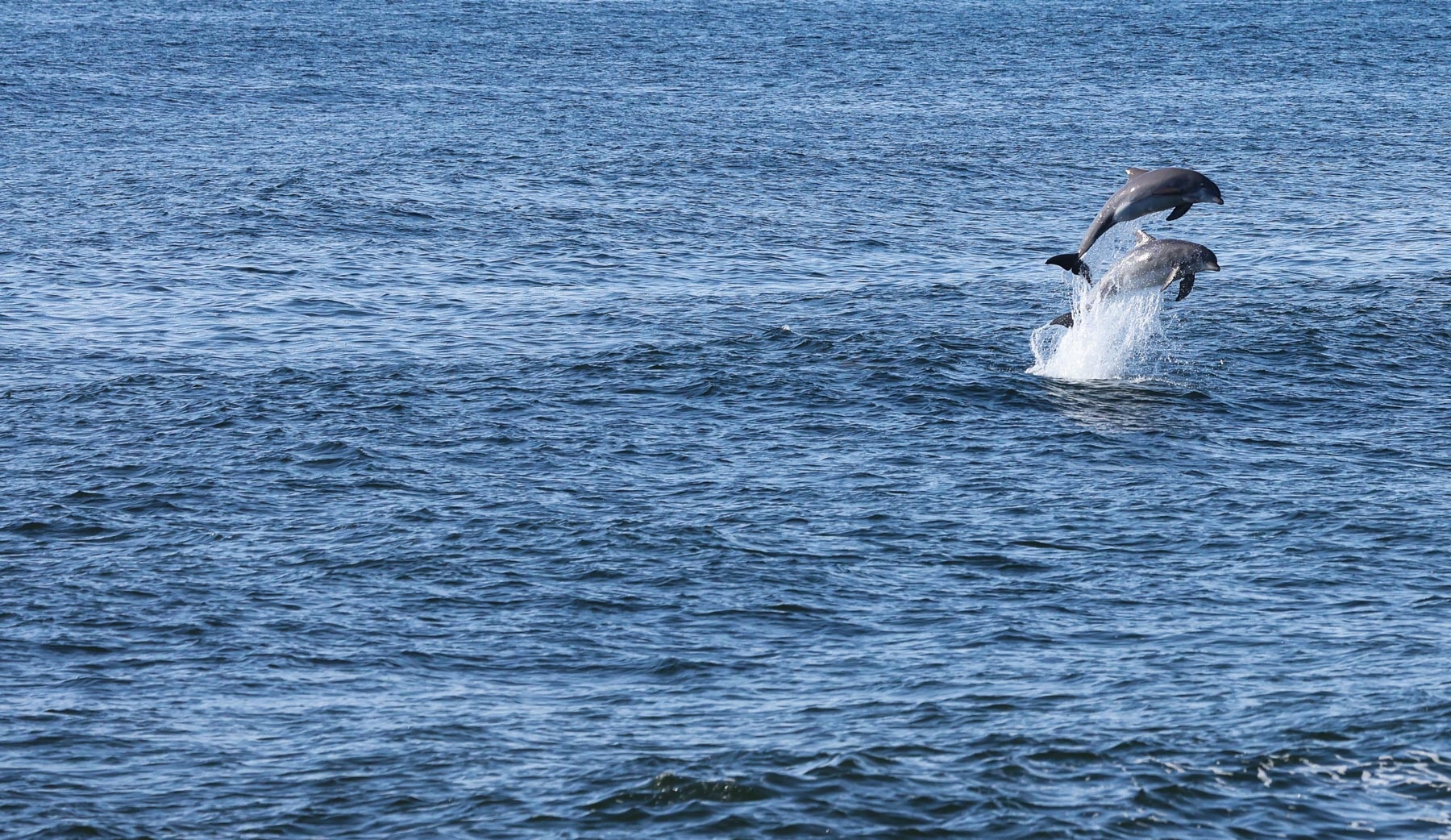
Eagleswood’s coastline sits at a confluence of water and weather that concentrates life: tidal channels funnel baitfish, shifting sandbars create current seams, and the sheltered geometry of Barnegat Bay opens toward Atlantic feeding grounds. For anyone curious about dolphins, that concentration translates to reliable sightings without needing to travel far offshore. In early morning light you can watch fins carve through glassy water along the inlet, hear the breath and slap of a tail, and feel—on the smallest scale—how a coastal ecosystem stacks prey and predator into a single horizon.
The local dolphin scene is both accessible and varied. Nearshore Atlantic waters support groups that hunt along sandbars and beyond the breakers; inside the bay, shallower channels and marsh mouths attract smaller pods hunting schools of anchovies and menhaden. That variety means visitors can choose the kind of encounter they want: casual shore watches at low tide, a calm bay cruise to photograph rolling pods, or an up-close paddle in a tandem kayak where, with luck and respect, dolphins pass within view but remain wild and unapproachable. The payoff is a different kind of wonder than a zoo or aquarium—these animals are moving through their habitat, dynamic and unpredictable, and the best moments come when you watch them on their terms.
Cultural and seasonal rhythms matter here. Summer brings consistent warm-water prey and the highest concentration of commercial and recreational boat traffic, which raises both opportunity and the need for deliberate, low-impact practices. Spring and early fall often produce the most active feeding, when migrating baitfish intersect with coastal currents. Local anglers, birders, and commercial fishers have long read these signals; sharing a dock or a launch ramp with them is part of the experience and a good way to pick up on current conditions. For photographers and naturalists, quiet mornings—before the afternoon wind and boat traffic—are golden. For families and casual travelers, operator-led tours offer a straightforward, safe way to see dolphins while learning about local ecology and responsible viewing etiquette.
Finally, Eagleswood’s dolphin-focused outings are a gateway to broader coastal adventures. A day that begins with a dolphin cruise can move to a paddle through marsh channels, an afternoon of shorebird watching at a nearby spit, or an evening beach stroll timed with the shifting tide. That layered approach—wildlife viewing that complements paddling, fishing, and seaside exploration—makes Eagleswood especially appealing for travelers who want both a clear wildlife focus and an adaptable itinerary that responds to sea state, weather, and the moods of the marine life themselves.
Accessible sightings: Dolphins in the Eagleswood area are often visible from both the shoreline and short boat trips, so you don’t have to be an experienced sailor to see them.
Ecological context: The interaction of bay and ocean creates feeding corridors that attract dolphins seasonally and locally, giving both predictable patterns and spontaneous, memorable encounters.
The harbor is the gateway, and the Pacific becomes the classroom.
Complementary adventures: Combine dolphin outings with kayaking, birding in the marshes, or surf fishing to expand a single-day wildlife focus into a full coastal experience.
Responsible viewing: Local guides emphasize distance, minimal disturbance, and no feeding—practices that protect dolphins and preserve the opportunity for future encounters.
Choose by purpose
Whale watching, snorkeling, sunset sailing, cultural canoeing, harbor sightseeing, or private chartering.
Start near the city
Waikiki and Honolulu Harbor are primary hubs, with some trips launching near Hanauma Bay.
Confirm the vessel
Gangways, shaded seating, and boarding requirements vary according to vessel size and operator.