12

Top Dolphin Experiences in Dunnellon, Florida

Dunnellon, Florida

Dunnellon sits at the quiet hinge between spring-fed rivers and the Gulf of Mexico, a place where freshwater clarity meets coastal tides. Dolphin experiences here are intimate rather than theatrical—spotting bottlenose pods cruising river mouths, watching bow-riding offshore on calm mornings, or paddling to quiet inlets where porpoise silhouettes cut the surface. This guide focuses on how to find, approach, and responsibly enjoy dolphin encounters from the unique vantage points around Dunnellon.

11
Activities
Year-round (peak spring & fall)
Best Months

Top Dolphin Trips in Dunnellon

11 trips • Book with confidence • Instant confirmation

Why Dolphin Viewing Around Dunnellon Feels Different

Dunnellon's claim to a meaningful dolphin experience isn't about large commercial shows or crowded piers; it's about subtlety and context. Here, river systems like the Rainbow and Withlacoochee thread toward the Gulf, creating feeding corridors, calm estuaries, and transitional waters where dolphins—typically coastal bottlenose—appear with an unhurried rhythm. That intersection of spring clarity and tidal influence makes the town a strategic base: you can launch from a tranquil river and, within a short run, reach brackish channels and nearshore habitats where dolphins forage, socialize, and sometimes ride the wakes of boats.

The local temperament of dolphin encounters is intimate. Sightings often come as quick arcs of dorsal fins or a juvenile's curious peek, not as park-style presentations. That requires a different kind of planning: slower boats, smaller groups, and a patient eye. Dunnellon's smaller operators and self-guided paddlers tend to approach viewing with restraint—quiet motors, low-speed corridors, and careful distance—so encounters feel like invitations instead of spectacles. For travelers who want to pair wildlife watching with other river activities, Dunnellon delivers: float trips, glass-clear springs for snorkeling, and coastal day trips combine into multi-hour itineraries where dolphins are a highlight, not the whole show.

Environmental context matters: seasonal water temperature shifts, freshwater outflow after heavy rains, and local fishing patterns change dolphin movement. Spring and fall often bring calm seas and higher visibility nearshore, improving the odds of seeing pods. Summer humidity and afternoon storms can make early-morning outings the best choice; winter tends to scatter coastal groups but concentrates others where baitfish aggregate. Above all, Dunnellon’s experiences reward enthusiasts who trade spectacle for nuance—those who want a quiet dawn paddle beside a curving fin or a late-afternoon run along the estuary watching silhouettes against low light.

The geography—spring-fed rivers flowing to the Gulf—creates a mosaic of habitats. Sharks, rays, herons, and turtles often share the same corridors as dolphins, so trips usually double as broader wildlife excursions.

Because most good viewing happens from small boats, kayaks, or low-profile eco-tours, accessibility is high for non-technical travelers, but operators limit group size to reduce disturbance.

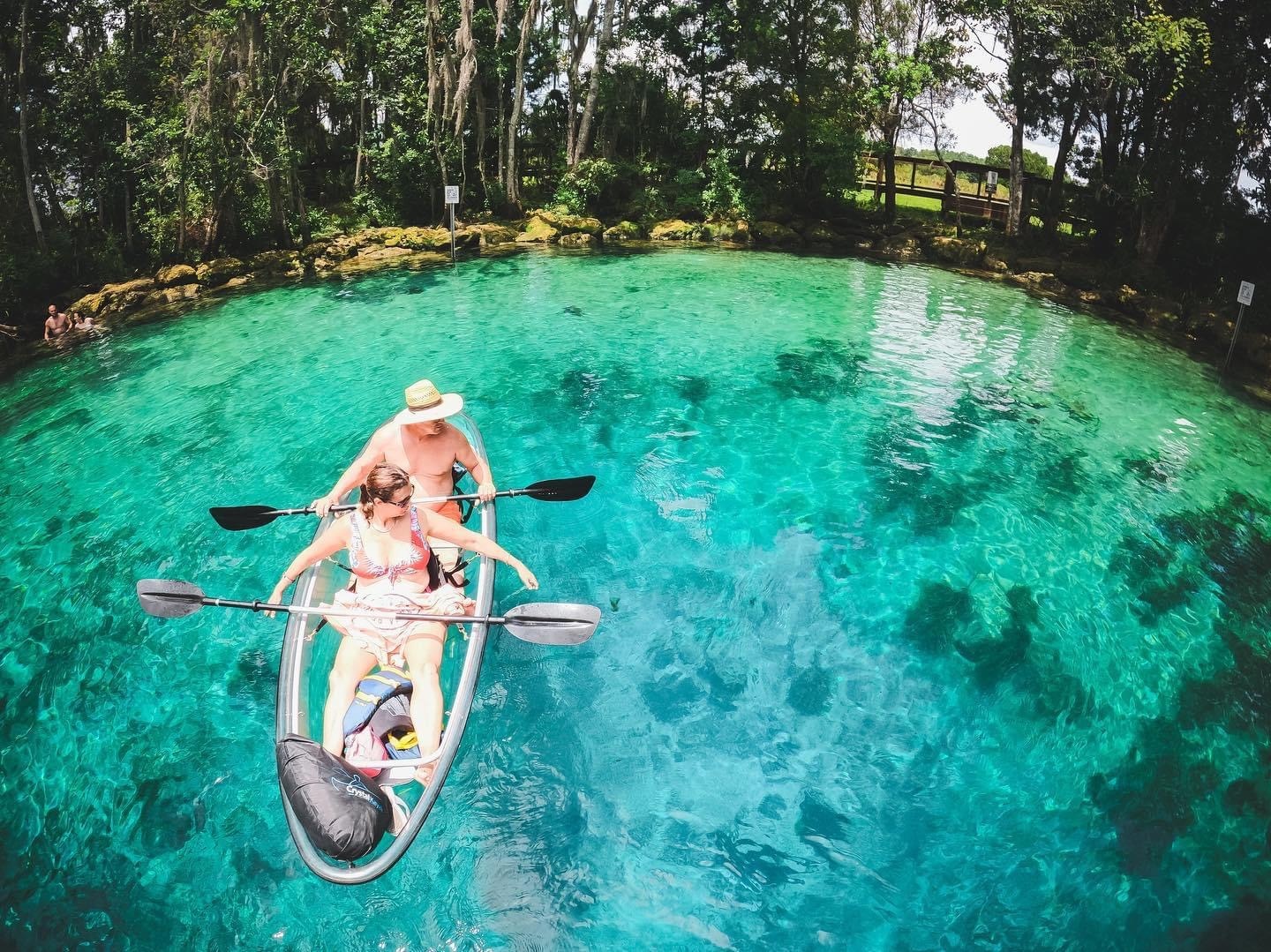
Dunnellon is an excellent launch point for combining dolphin watching with other popular local activities: manatee viewing in winter, snorkeling in clear spring runs, and paddleboarding on calm mornings.

Activity focus: Dolphin observation — small-boat, kayak, and shoreline viewing
Most sightings are of bottlenose dolphins in nearshore and estuarine waters
11 local experiences and departures highlight river-to-gulf routes
Ideal outings are often early morning or late afternoon to avoid heat and boat traffic
Respectful distance and no-feeding policies are enforced; wild dolphins are protected

Best Time to Visit

Best Months

MarchAprilMayJuneSeptemberOctober

Weather Notes

Spring and fall deliver calm seas and comfortable temperatures; summer brings heat and afternoon thunderstorms that make early-morning departures preferable; winter is cooler and quieter but can shift dolphin distributions.

Peak Season

Spring through early summer—calmer waters and increased tour availability.

Off-Season Opportunities

Late fall and winter offer lower crowds and crisp mornings; sightings can still be excellent, and winter manatee viewing pairs well with dolphin-search trips.

Frequently Asked Questions

Will I see dolphins on every trip?

No—wildlife is never guaranteed. Dunnellon’s proximity to productive coastal waters increases your odds, but sightings depend on tides, baitfish, weather, and season. Operators aim to maximize sighting chances by timing departures for calm, low-traffic windows.

Can I swim with wild dolphins?

Swimming with wild dolphins is discouraged and often illegal; approach them respectfully from a distance, and never feed or attempt to touch wild animals. Many guides will point out legal and ethical guidelines during briefings.

Are dolphin tours family-friendly?

Yes. Small-boat and paddle-based viewing are accessible for families with older children; ensure you disclose comfort with water, mobility needs, and lifejacket requirements when booking.

Choose Your Experience Level

Beginner

Low-effort options ideal for first-timers: sheltered river launches, short guided eco-boat tours, and shoreline vantage points where dolphins pass close to estuary mouths.

  • Short river estuary launch eco-cruise
  • Shoreline binocular spotting at a river mouth
  • Guided kayak on protected channels

Intermediate

For travelers comfortable on the water who want more engagement: longer paddle routes to inlets, small-group open-water runs, and photography-focused outings.

  • Half-day kayak to tidal creeks
  • Small-boat day trip to nearshore feeding grounds
  • Guided photography charter timed for golden hours

Advanced

Skills and conditioning required: navigation in tidal currents, longer coastal crossings, and private charters that may range farther offshore in search of larger pods. Experience with tides, charts, and boat handling is recommended.

  • Private charter to offshore nearshore zones
  • Self-guided long-distance paddle to river mouths (experienced paddlers only)
  • Conservation-oriented trips combining surveys and data collection

Insider Tips & Local Knowledge

Follow all local rules, keep distance from wildlife, and verify tide and weather conditions before launching.

Aim for dawn or late afternoon to maximize calm seas and animal activity. Ask guides about tide windows—many sightings cluster around incoming tides when baitfish move toward shore. Keep group sizes small and motors low; dolphins are curious but stressed by loud, fast approaches. Pack reef-safe sunscreen, a hat, and layers for changing wind off the water. Check local advisories for red tide or algal bloom notices that can affect wildlife health and sightings. Finally, prioritize operators who emphasize ethical viewing practices—no feeding, no chasing, and maintaining regulatory setbacks—both for your safety and the dolphins’ wellbeing.

What to Bring

Essential

  • Waterproof layers and quick-dry clothing
  • Biodegradable reef-safe sunscreen and a hat
  • Polarized sunglasses for spotting at distance
  • Reusable water bottle and light snacks
  • Waterproof phone case or small dry bag

Recommended

  • Binoculars or a compact spotting scope
  • Small travel towel and change of clothes
  • Light windbreaker for open-water crossings
  • Water shoes for rocky or mutable launch points

Optional

  • Compact mirrorless camera with telephoto or zoom lens
  • Floating camera strap or compact action camera
  • Guidebook or app for identifying local marine life

Ready for Your Dolphin Adventure?

Browse 11 verified trips in Dunnellon with instant booking

Explore Top 15 Dunnellon, Florida Adventures →