Why Dunmore Is a Notable Air Activities Hub
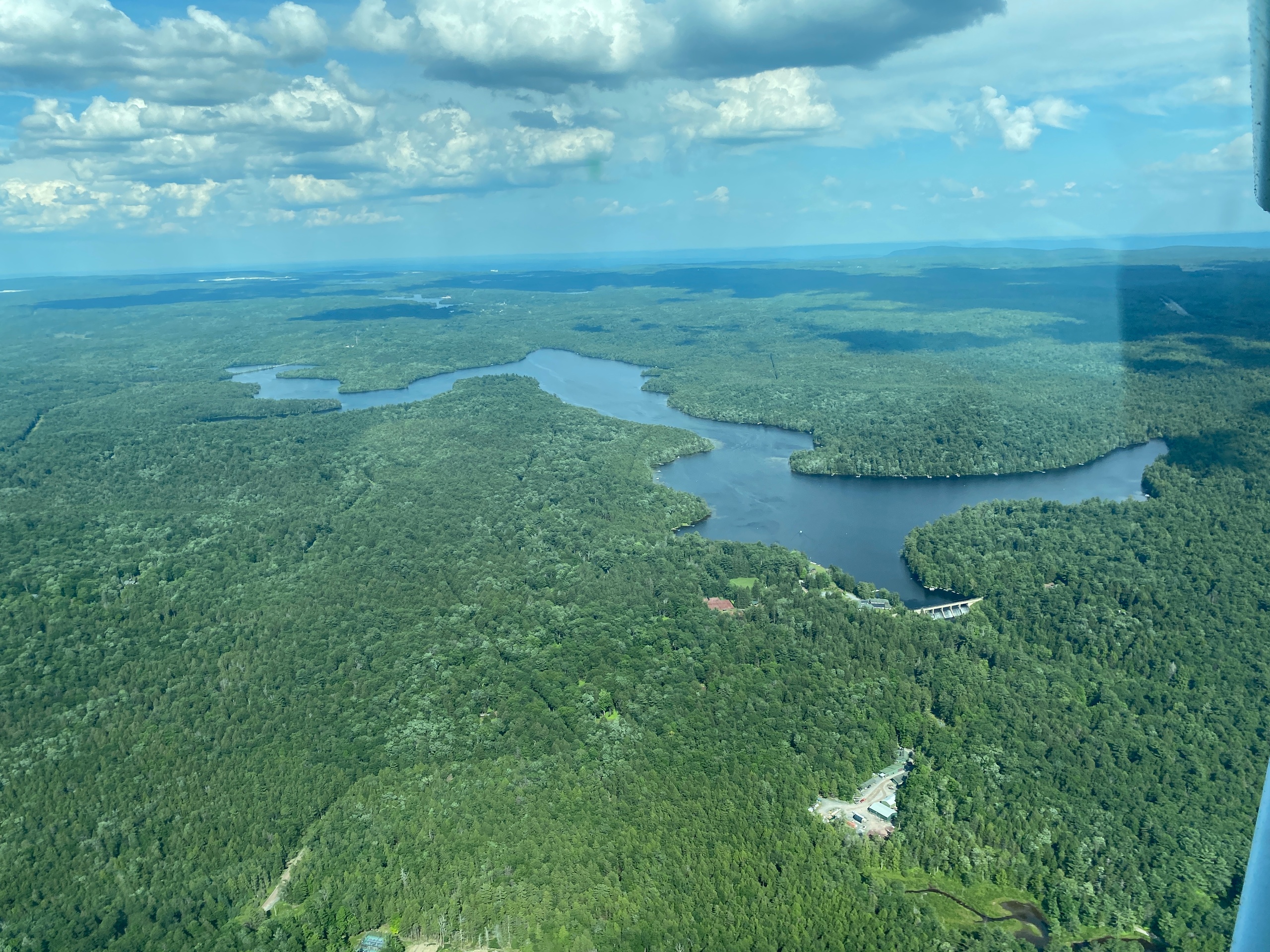
Dunmore sits at a crossroads of industry and open sky. The borough's compact streets back onto a landscape shaped by anthracite mining and folded ridgelines—terrain that translates into compelling aerial contrasts. Seen from above, the checkerboard of small towns, rail corridors, river meanders, and forested hills tells a story of human labor and natural recovery; this is a place where a short scenic flight or a balloon's gentle drift becomes a lesson in regional geography. Air activities here are intimate rather than alpine: pilots and outfitters operate small aircraft and lighter-than-air craft that keep you close to the landscape, able to pick out coal-era architecture, river bends, and seasonal color changes that are lost at ground level. That accessibility is one of Dunmore's greatest strengths. Unlike major tourist airports, the operators serving Dunmore and the broader Scranton–Wilkes-Barre area run short, flexible flights—ideal for travelers who want a concise aerial experience without committing a whole day.
Weather and topography combine to make the months between late spring and early fall the most dependable windows for air recreation. Morning calm and late-afternoon thermals shape ballooning schedules, while visibility on crisp autumn days produces the kind of sweeping foliage panoramas that attract photographers and leaf-peepers alike. Even in summer, early-morning flights avoid afternoon instability; in winter, most operators scale back or suspend routine services because low ceilings, snow, and icing raise complexity. Beyond seasonal considerations, Dunmore's proximity to larger regional airports and a network of small airfields means you can pair an air activity with complementary adventures—fly-in fishing access, aerial photography sessions, or a helicopter transfer to nearby hiking trailheads—making the skyward element part of a broader Northeastern Pennsylvania itinerary.
Culturally, an aerial perspective recontextualizes the region's industrial past. From the air, the remnants of rail yards, collieries, and factory rows form clear patterns that invite reflection on the landscape's transformation. For travelers, this makes air activities more than thrill rides: they're interpretive experiences that blend natural beauty with the living history of the anthracite region. Practical planning is straightforward but specific: operators emphasize light travel gear, clear communication on weight and health considerations, and flexible timing around sunrise and evening windows. Whether your aim is a placid balloon drift at dawn, a twenty-minute fixed-wing circuit to capture autumn color, or an introductory discovery flight where you take the controls for a few minutes, Dunmore's scale and situation create a low-friction environment for getting into the air.
The character of flights around Dunmore is intimate and local—operators use small aircraft and balloons that keep passengers close to the landscape and the pilot's narration.
Seasonality drives scheduling: mornings and evenings are prime for ballooning and scenic flights; late September and October are especially popular for fall colors.
The harbor is the gateway, and the Pacific becomes the classroom.
Aerial experiences are an excellent complement to land-based activities—pair a morning balloon ride with a riverside walk, or a scenic flight with a day of rail-trail cycling.
Choose by purpose
Whale watching, snorkeling, sunset sailing, cultural canoeing, harbor sightseeing, or private chartering.
Start near the city
Waikiki and Honolulu Harbor are primary hubs, with some trips launching near Hanauma Bay.
Confirm the vessel
Gangways, shaded seating, and boarding requirements vary according to vessel size and operator.