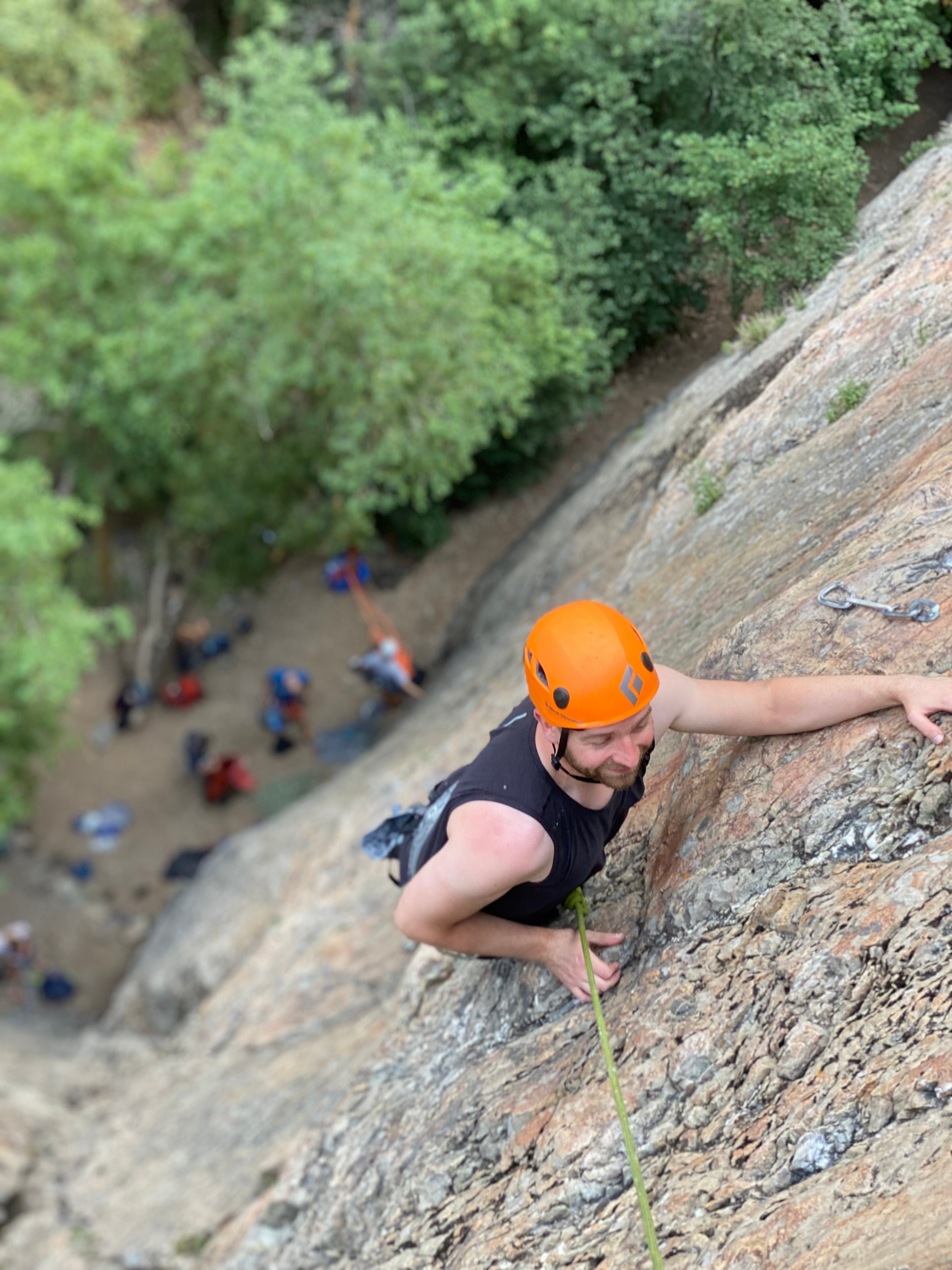
Top Climbing Adventures in Draper, Utah
Perched where the Salt Lake Valley meets the Wasatch Front, Draper and the Point of the Mountain corridor deliver a concentrated, accessible climbing scene—sport routes on compact volcanic and limestone faces, bouldering pads near quiet neighborhoods, and alpine approaches that lead into higher-country trad and multi-pitch lines. This guide distills the local climbs, seasons, and planning notes so you can turn a day trip into a memorable ascent.
Top Climbing Trips in Draper
9 trips • Book with confidence • Instant confirmation
Why Draper Is a Standout Climbing Destination
Draper sits at a crossroads of climbing cultures. In the shadow of the Wasatch Range, the Point of the Mountain corridor is compact, approachable, and astonishingly varied for its size: short, technical sport routes that beg repeat laps; pocketed limestone and basalt features that reward precise footwork; and nearby alpine options that push endurance and route-finding. For many climbers based in the Salt Lake Valley, Draper is the go-to training ground—close enough for an evening session after work, varied enough that a single weekend can include bouldering, sport routes, and a steep hike into higher country.
Walk the cliff bands at the Point of the Mountain on a spring afternoon and you’ll witness that variety first-hand. Climbers warm up on well-bolted faces, rope up for multi-pitch lines that follow natural weaknesses, and work problems on scattered boulder fields. The area’s accessibility makes it an excellent place to learn anchor-building, to dial in sport-clipping technique, or to stretch into alpine approaches on Lone Peak and the surrounding ridgelines. This proximity to both urban comforts and remote technical terrain is Draper’s essential appeal: you can grab coffee in town, drive ten minutes, and be on rock where the only interruptions are the wind and the chalk on your hands.
Culturally, Draper and the adjacent Salt Lake City community are steeped in outdoor stewardship and a collaborative climbing ethic. Local gyms and guide companies create clear pathways from indoor instruction to outdoor lead climbing, and volunteer groups maintain access and bolt replacements when needed. The area’s climbing history is practical and pragmatic—routes are generally well-established, with an emphasis on solid gear placements and modern bolt standards, but there are also pockets of classic, adventurous lines that reward experienced parties.
Ecologically, the region is semi-arid and sensitive. Low rainfall, fragile soils, and seasonal nesting birds mean climbers need to be aware of closures and practice low-impact approaches. Seasonal winds at Point of the Mountain can be fierce and unpredictable—an advantage for paragliders, a variable for climbers. Weather windows can change rapidly, especially moving from valley faces into alpine exposures, so preparations should always treat Draper climbs as part sport crag, part mountain day. In short: Draper is at once a training ground and a gateway. It invites repeat visits, skills development, and a thoughtful approach to conservation and seasonality.
The variety within a short drive is the draw: short sport leads for technique, concentrated boulder problems for strength training, and nearby trad and multi-pitch options that open into the Wasatch backcountry.
Because climbs are generally accessible from town, Draper is ideal for mixed itineraries—combine an afternoon cragging session with a morning trail run or an evening ride at nearby mountain-bike trails.
Best Time to Visit
Best Months
Weather Notes
Spring and fall deliver the most comfortable temperatures for sport climbing; summer can be hot on sun-exposed faces while winter brings mixed conditions—ice and snow at higher elevations and cold, windy days on the Point of the Mountain.
Peak Season
Late spring through early fall for sport and bouldering; weekends in pleasant weather see the highest visitation.
Off-Season Opportunities
Winter offers fewer crowds and the chance for ice climbing and alpine objectives if you have appropriate gear and local knowledge; check avalanche and route conditions before heading into higher terrain.
Frequently Asked Questions
Do I need permits or climbing-specific access passes?
Most crags around Draper are on public land with no routine day-use permits, but seasonal closures for nesting raptors or land-management restrictions can occur—always check current local access updates before you go.
Are there climbing gyms or guides in Draper for beginners?
Yes. The Salt Lake Valley has several climbing gyms and certified guides who run introduction clinics and guided outdoor sessions—from belay clinics to single-day sport lead courses.
Is parking or approach difficult at popular crags?
Parking is generally roadside or in small pullouts; some crags require short, steep approaches. Observe signage, avoid blocking gates or private driveways, and carry a flashlight if you anticipate late finishes.
Choose Your Experience Level
Beginner
Toproping and guided sport routes close to parking, with short approaches and moderate protection—ideal for first outdoor leads and technical skill-building.
- Toprope sport routes at Point of the Mountain
- Introduction to bouldering on low-height problems
- Guided belay and lead clinics at a local crag
Intermediate
Short multi-pitch routes and redpoint sport climbs with more sustained movement, route-finding needs, and longer approaches.
- Linking multiple sport routes in a single session
- Top-roped multi-pitch practice on lower Wasatch faces
- Sport lead days with longer approaches
Advanced
Technical trad lines, alpine ascents on Lone Peak, or winter ice and mixed routes requiring advanced gear, route-finding, and objective-hazard awareness.
- Trad and mixed climbing in nearby alpine zones
- Multi-pitch fallback routes on exposed faces
- Seasonal ice climbs and steep-snow approaches with technical gear
Insider Tips & Local Knowledge
Check local access updates and seasonal closures; respect private property and nesting-bird restrictions.
Start early to avoid midday heat and maximize chalk-free holds. Wind at the Point of the Mountain can swing from calm to gusty; bring a wind layer and secure loose gear. Use established trails to approaches to protect fragile soils, and carry a small brush to clean holds gently when permitted. If you're new to outdoor lead climbing, book a clinic at a local gym or hire a guide for your first lead day. Finally, pair a climbing day with complementary activities—mountain biking on nearby trails, a sunset paragliding show at Point of the Mountain, or a restorative hike in the Wasatch foothills—to make the most of Draper’s outdoor palette.
What to Bring
Essential
- Helmet, harness, and climbing shoes
- Personal belay device and locking carabiner
- Appropriate rack for trad or quickdraws for sport (if leading)
- Water and high-energy snacks
- Guidebook or up-to-date route topo and phone with offline maps
Recommended
- Small trad rack (nuts, cams) if exploring trad lines
- Topo printouts or photos of bolting/anchors for remote routes
- Lightshell or wind layer for exposed crags
- Headlamp for late returns if you expect to finish after dark
- Basic first-aid kit and tape for skin protection
Optional
- Bouldering pad and crash pad spotter for problems near town
- Climbing tape and finger support for training days
- Guide company contact or local gym membership info for lessons
Ready for Your Climbing Adventure?
Browse 9 verified trips in Draper with instant booking
Explore Top 15 Draper, Utah Adventures →