Top 50 Sailing Adventures in Dracut, Massachusetts
Dracut Sailing Guide

Top 50 Sailing Adventures in Dracut, Massachusetts

Dracut sits on the inland edge of New England’s maritime culture. While not a classic seaside harbour town, it offers access to river sailing on the Merrimack and serves as a quiet base for launching small-boat outings, learning seamanship, and pairing short sails with paddling, fishing, and shoreline exploration. This guide focuses on the practical realities of sailing from Dracut—river conditions, seasonal windows, skills to practice, and the best ways to convert a landlocked Massachusetts town into a gateway for salt- and fresh-water adventures.

Merrimack RiverMerrimack ValleyGreater Lowell

Live destination inventory

Top Sailing Trips in Dracut

50 trips · Book with confidence · Instant confirmation

The prototype intentionally does not invent replacement trip cards or add images that are not already part of the live source page.

The city from the water

Why Dracut Is a Practical Sailing Base

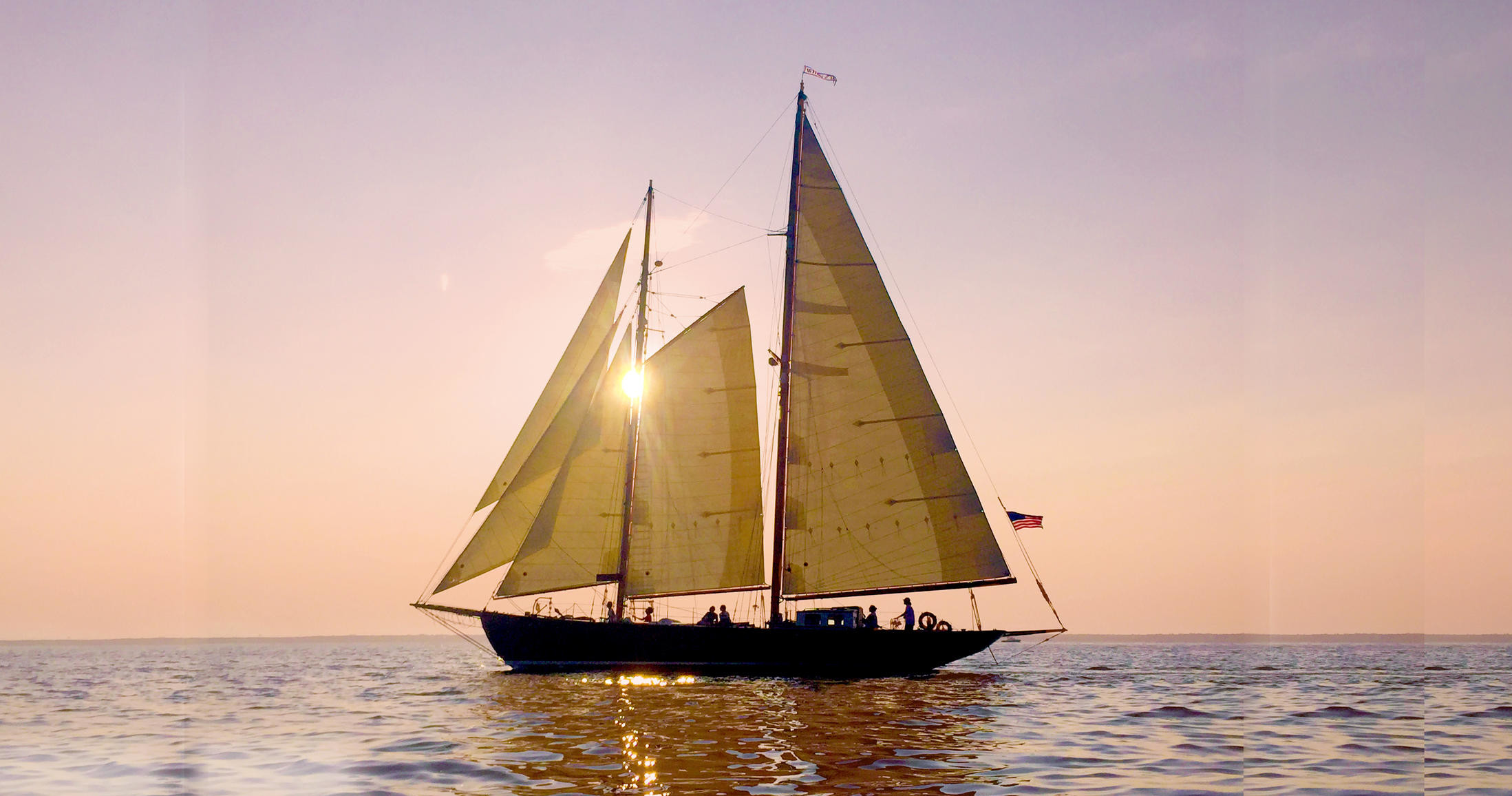
Dracut’s relationship with sailing is pragmatic and quietly rewarding: the town is a workplace for riverine craft, a staging area for small-boat sailors, and an access point to broader New England waters when you’re willing to drive a short distance. Picture a morning unfolding along a river bend—low-angle light silvering the water, a cool breeze threading through marsh grass, and the soft clack of rigging as a small sloop eases into current. That intimate, small-craft rhythm defines most sailing originating from Dracut. Here, excursions are measured in tacks and minutes rather than overnight passages, and the skill set you develop—reading a river, threading tides, handling variable winds in confined channels—translates directly to safer, more confident coastal sailing. The Merrimack River shapes both the landscape and the local sailing culture. Its currents, tidal reach, and occasionally fickle winds demand attention, making it a superb place for sailors who want to sharpen fundamentals: close-quarters maneuvering, awareness of bridges and shallow flats, and planning around river flow. Because deep-water, blue-horizon days are more common along the coast, Dracut’s true strength is its position as a transition zone. You can spend mornings practicing sail trim and docking in protected water, and afternoons driving to nearby harbors for bigger-water outings. That duality—quiet river practice paired with occasional coastal excursions—makes Dracut an efficient, low-friction option for sailors who prioritize skill-building and accessible water time. Beyond technique, the experience here feels connected to the region’s industrial and natural history. Old mill towns and working waterfronts are part of the view upstream; salt marsh, estuary soundscapes, and migratory birds punctuate the quieter stretches. Complementary activities—paddleboarding, kayak day trips, shoreline fishing, cycling along canal towpaths—magnify the day’s options and are easy to combine with sailing. Practically speaking, local boat ramps, small marinas, and community sailing programs provide entry points for renters and novices, while experienced skippers will find satisfying challenges in current management and planning mixed fresh- and salt-water passages. Seasonally, the most reliable sailing stretches from late spring through early fall, when breezes are steady and water temperatures are comfortable. Shoulder seasons can deliver excellent wind but demand cold-weather gear and more careful planning. Whether you’re aiming for skill-focused day sails, family-friendly afternoons, or launching point for coastal jaunts, Dracut offers a measured, intelligent approach to getting on the water. The result is an environment where incremental progress—learning to read the river, managing tides, and mastering close-quarters handling—turns ordinary afternoons into meaningful seamanship milestones.

Small-boat focus: Most sailing from Dracut centers on dinghies, day-sailers, and trailerable sloops—craft that respond quickly to wind and current and are excellent for practice.

Complementary activities: Kayaking, paddleboarding, shoreline fishing, and cycling on nearby canal trails pair well with short sailing trips and make for full-day outdoor itineraries.

The harbor is the gateway, and the Pacific becomes the classroom.

Access strategy: Use Dracut as a practice base for river sailing and as a staging point for coastal days. Driving to larger harbors expands options without sacrificing frequent on-water time.

Activity focus

Choose by purpose

Whale watching, snorkeling, sunset sailing, cultural canoeing, harbor sightseeing, or private chartering.

Departure hubs

Start near the city

Waikiki and Honolulu Harbor are primary hubs, with some trips launching near Hanauma Bay.

Accessibility

Confirm the vessel

Gangways, shaded seating, and boarding requirements vary according to vessel size and operator.

Seasonal planning

Best Time to Visit

Dracut is warm year-round, but wind, swell, migration, visibility, and demand change the best match between traveler and trip.

Dracut boat tour
Year-round destination

Seasonal highlights change the reason to go

Winter favors humpback encounters; warmer, calmer months favor snorkeling visibility and smoother water.

Humpback season

Summer weekends draw the most on-water activity and local day-trippers.

Prime whale watching, winter holidays, higher demand, and earlier sell-outs.

Snorkeling window

May–June–July–August–September

Typically gentler seas and clearer water for snorkeling trips.

Weather notes

Trade winds year-round

Late spring through early fall offers the most consistent, comfortable sailing conditions. Summer provides warmer water and steady sea breezes, while shoulder seasons can deliver strong winds and cooler temperatures. Watch for sudden coastal storms even when river conditions feel calm.

Quieter opportunities

Late spring & summer weekdays

Early spring and late fall can be excellent for skill-focused practice with fewer crowds, but expect colder water and the need for insulated layers; winter sailing is typically limited by ice and cold weather.

Match the trip to your comfort

Choose Your Experience Level

Low effort

Beginner

Ideal for first-timers and families: sheltered river reaches and calm days are perfect for learning basic sail trim, tacking, and safe boarding.

  • Introductory daysail on protected river water
  • Sailing lessons with an instructor
  • Family-friendly short outings with easy access to shore
Active day trip

Intermediate

Sailors with basic skills who want to refine current and tide management, docking maneuvers, and short navigational planning.

  • River passages requiring tide and current coordination
  • Practice reefing and sail handling in variable winds
  • Short mixed freshwater-to-brackish trips
Longer or technical

Advanced

Experienced skippers can use Dracut as a staging point for coastal passages, complex current planning, and higher-speed day-sailing in gusty conditions.

  • Day trips that transition from river to nearby coastal waters
  • Advanced crew coordination drills and race practice
  • Navigation-focused trips with tight channel work

Prepare for sun, spray, and swell

What to Bring

Essential

Core kit

  • USCG-approved life jacket for every person
  • Wind- and waterproof layers (foul-weather jacket and warm mid-layer)
  • Non-marking deck shoes or sailing boots with grip
  • Sunscreen, sunglasses with retainer, and sun hat
  • Dry bag for phone, maps, and spare layers
Recommended

Useful extras

  • VHF radio or waterproof mobile phone with local charts downloaded
  • Basic tool kit and sail repair tape
  • Spare lines and a throwable flotation device
  • Gloves for sail handling and reefing
  • Map of the Merrimack River reaches and tide/current tables
Optional

Trip-specific

  • Handheld GPS or chartplotter for unfamiliar passages
  • Small anchor and rode for quick stops
  • Binoculars for birding and shoreline navigation
  • Compact first-aid kit and seasickness remedies
Check river flow, tide tables, and bridge schedules before launching. Local conditions change with precipitation and upstream releases; plan for currents that can be stronger than they appear.

Insider Tips & Local Knowledge

Reserve whale-watching and popular sunset cruises well ahead during December–April.
Choose morning snorkeling departures for calmer seas and better underwater visibility.
For motion sensitivity, choose a larger vessel, sit mid-ship, and take preventative medication before boarding.
Do not touch coral or wildlife, avoid standing on reefs, and use reef-safe sunscreen.
Community-based operators may add context about traditional navigation and stewardship.
Arrive early for parking and check-in because Waikiki departure areas can be busy.

Planning questions

Frequently Asked Questions

Dracut excels at river and small-boat sailing. It’s ideal for practice and short excursions rather than extended coastal passages. Sailors often combine river days with drives to nearby coastal harbors for larger-water sailing.
Top 50 Sailing Adventures in Dracut, Massachusetts
Ready for your sailing adventure?

Browse 50 verified trips in Dracut.

Compare current availability and book with instant confirmation.

Explore Dracut sailing