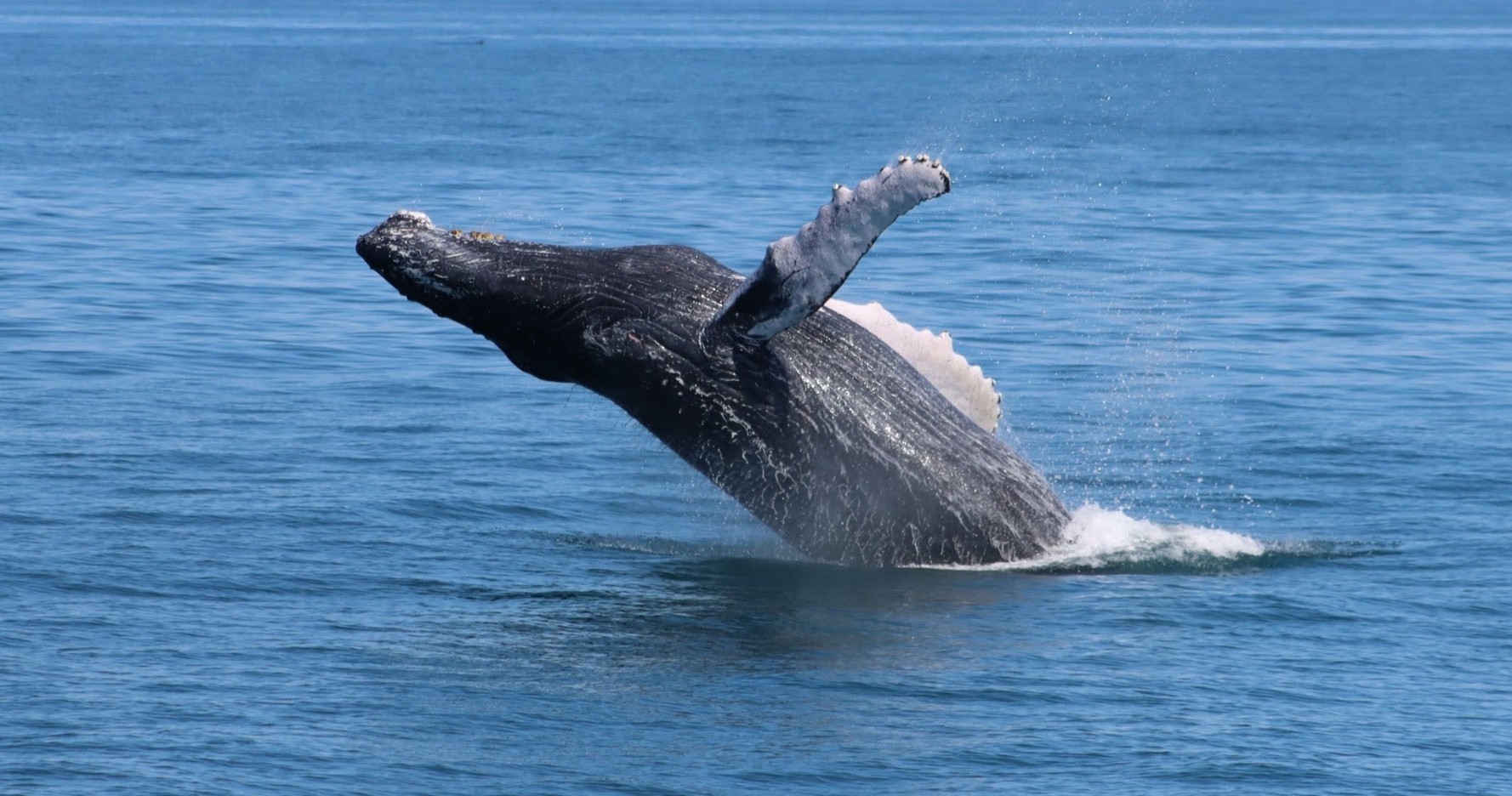
Dolphin Watching Near Dover, Delaware
Dover is an unlikely but convenient launch point for dolphin watching along Delaware’s coastline. While the city itself sits inland, a short drive carries you to estuaries and open waters where bottlenose dolphins cruise shorelines, follow fishing boats, and hunt in tidal channels. This guide focuses on the practical details, seasonal rhythms, and ethical considerations for seeing dolphins—whether from a shore vantage, a kayak, or a small-boat tour out of nearby ports.
Top Dolphin Trips in Dover
4 trips • Book with confidence • Instant confirmation
Why Dolphin Watching Near Dover Is Worth the Drive
On a humid Delaware morning, when the tide slides low and the channel water turns glass-smooth, the first black backs appear like punctuation marks on the horizon. The scene is at once domestic and wildly marine: marsh grass, a working shoreline, and the quick silver arc of a dolphin breaching against an otherwise ordinary coastal skyline. Dover’s appeal as a base for dolphin-watching isn’t theatrical geography but rather practical proximity. The city sits within easy driving distance of Delaware Bay and the Cape Henlopen area—places where estuarine currents and shallow shelves create productive hunting grounds for bottlenose dolphins. These are social animals that take advantage of tidal funnels, baitfish runs, and nearshore bait balls; from mid-spring through early fall, they become familiar fixtures to boaters, anglers, and naturalists.
This experience rewards a patient, grounded approach. It is not about one grand spectacle but about noticing patterns—the way dolphins ride the bow waves of a fishing skiff, how juveniles surface in polite arcs beside adults, the sudden choreography when a school of fish compresses and the water erupts. The region’s human history also threads through the experience: tide-dependent fisheries, historic ports, and coastal communities that have long depended on the rhythms of the Bay. Conservation conversations run parallel to every sighting here. Delaware’s estuaries are productive and fragile; habitat restoration, careful boating, and citizen science all shape how we watch marine wildlife. Approaching dolphin-watching with respect for local regulations, the shoreline economy, and the animals themselves turns a casual outing into a richer, more sustainable encounter.
Practically, Dover’s convenience matters. It’s an accessible hub for single-day sorties—an early morning drive to Lewes or Rehoboth, an afternoon tour out of Cape Henlopen, or a shoreline vigil at a salt marsh in the late afternoon. For photographers and naturalists, the light is forgiving and the proximity to diverse coastal habitats makes pairing activities simple: birding on a marsh walk, a kayak exploration of tidal creeks, or a sunset beach stroll after a boat tour. For families and first-timers, local captains and small-group operators often offer interpretive trips that balance safety with storytelling: how dolphins feed, how tides influence prey, and what to do if you encounter a stranded or entangled animal. Ultimately, dolphin watching near Dover is a study in balance—between accessible infrastructure and wild unpredictability, between a small city’s conveniences and the large seascape just beyond it.
Dover is not a coastal town, but its short drives to Lewes, Rehoboth Beach, and Cape Henlopen make it a practical home base for marine excursions. Expect 25–45 minute drives to most departure points.
Bottlenose dolphins are the primary species encountered in Delaware Bay and nearshore Atlantic waters here. Sightings peak when prey is concentrated by tides and wind-driven currents.
Best Time to Visit
Best Months
Weather Notes
Spring through early fall brings calmer seas and concentrated prey that make dolphin sightings more reliable. Summer offers the warmest water but can also bring coastal fog or afternoon sea breezes. Check wind forecasts—strong winds create choppier seas and reduce sighting comfort.
Peak Season
June–September: more tours operate and local beaches see heavier visitation.
Off-Season Opportunities
Late fall and winter can produce surprise sightings, particularly close to tidal inlets, but tour availability is limited. Shore-based watching may still be productive on calm, clear days.
Frequently Asked Questions
Can I see dolphins from Dover without a boat?
You can sometimes spot dolphins from coastal viewpoints and estuarine banks near Lewes or along the Delaware Bay shoreline, but Dover itself is inland. For consistent sightings, plan a short drive to nearby coastal towns or book a boat-based tour.
Are there dedicated dolphin-watching tours near Dover?
Yes—most dolphin-focused excursions operate out of Lewes, Rehoboth Beach, and nearby harbors. Operators vary by season and vessel type (rigid-hull skiffs, small cruisers, kayaks), so check departure points and accessibility when planning.
What safety and ethical rules should I follow around dolphins?
Keep a respectful distance, don’t attempt to touch or feed animals, and avoid behaviors that could alter their natural activity (chasing, encircling, or loud engine activity). Follow local guidelines and your captain’s instructions.
Choose Your Experience Level
Beginner
Shore-based viewing at salt marsh overlooks and beaches, short guided boat trips designed for families, and interpretive programs.
- Short morning harbor cruise from Lewes
- Beachside watch at Cape Henlopen State Park
- Tidal creek walk with binoculars
Intermediate
Half-day small-boat excursions, guided kayak trips into tidal channels, and combined wildlife-and-birding outings that require basic boating comfort.
- Half-day dolphin and birding boat tour
- Guided kayak through tidal marsh channels
- Photography-focused small-boat trip
Advanced
Private charters or independent sea kayak trips beyond sheltered waters, participation in citizen-science surveys, and extended photography expeditions—requiring higher skill, local knowledge, and safety preparation.
- Private offshore charter for targeted sightings
- Organized marine mammal survey participation
- Independent sea kayak expedition with offshore crossings
Insider Tips & Local Knowledge
Respect wildlife, plan around tides and wind, and give yourself a flexible window for sightings.
Time your outing for incoming or outgoing tides—dolphins often exploit tidal funnels where prey concentrates. Early morning and late afternoon are the quietest parts of the day and can yield the most natural behavior, while midday can be busier with recreational boats. If you have limited time, prioritize tours that run interpretive—captains who explain behavior, local ecology, and safety increase your odds of meaningful encounters. Bring motion-sickness prevention well before departure if you’re prone to sea sickness; it’s easier to prevent than to treat once the ride starts. For shore-based watching, seek high points and marsh edges above tidal channels; binoculars and polarized sunglasses dramatically improve spotting. Finally, support local stewardship—ask operators about their wildlife protocols and consider contributing sighting reports to local research or volunteer groups to help monitor the health of Delaware’s marine ecosystems.
What to Bring
Essential
- Binoculars (7–10x) for scanning the horizon
- Seasickness medication if you’re prone to motion sickness
- Weather-resistant layers and sun protection (hat, SPF, sunglasses)
- Reusable water bottle and snacks
- Camera with zoom lens or a phone with a telephoto attachment
Recommended
- Compact spotting scope for shore-based watches
- Waterproof case for electronics
- Light waterproof bag for gear if kayaking or on a small boat
- Field guide or app for marine wildlife ID
Optional
- Notebook for behavior notes (useful for citizen science)
- Polarized sunglasses to reduce glare when scanning water
- Windbreaker or heavier layer for evening outings
Ready for Your Dolphin Adventure?
Browse 4 verified trips in Dover with instant booking
Explore Top 15 Dover, Delaware Adventures →