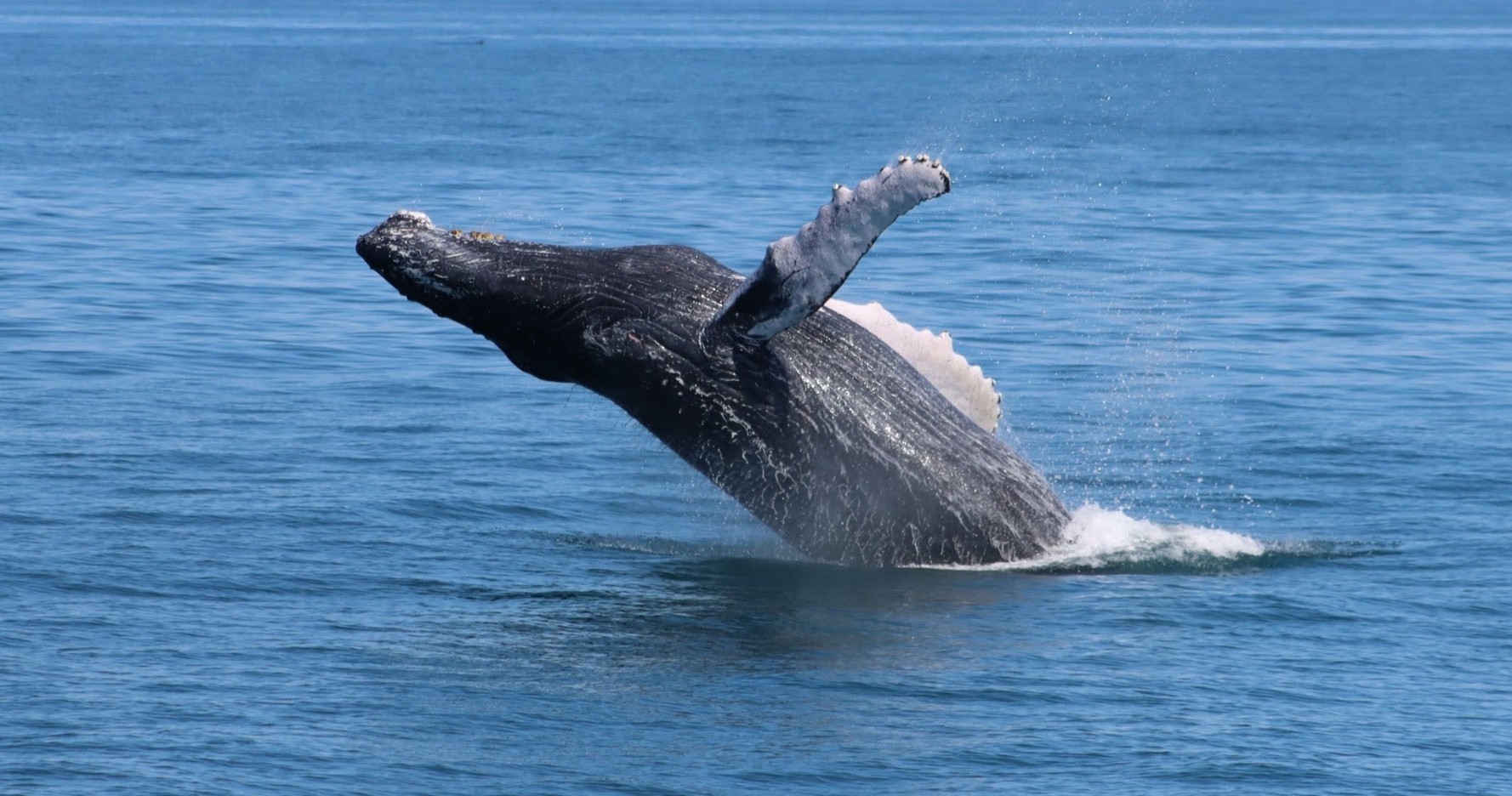
Dolphin Experiences in Dewey Beach, Delaware
Dewey Beach is a coastal entry point to waves, bays, and the thin, productive ribbon of water where Atlantic dolphins forage, travel, and socialize. Whether you scan from the shoreline at sunrise, paddle a guided kayak through quiet channels, or climb aboard a small-boat excursion into the nearshore Atlantic, dolphin encounters here are intimate and often unpredictable—equal parts natural theater and gentle reminder of the interconnected estuary system. This guide focuses on spotting, photographing, and responsibly sharing the water with local dolphin populations, and how to plan your best chance for a respectful, memorable encounter.
Top Dolphin Trips in Dewey Beach
6 trips • Book with confidence • Instant confirmation
Why Dewey Beach Is a Notable Spot for Dolphins
Dewey Beach sits at the junction of open Atlantic swells and the calmer, nutrient-rich waters of Rehoboth and Delaware bays. That edge—where saltwater and estuarine currents mix—creates productive feeding grounds for fish and crustaceans, and where you’ll most often find dolphins: moving in small groups to follow schools of forage fish, investigating river mouths, or riding the wakes near shore. The experience here is subtle rather than spectacle; sightings are usually close enough to read expression in a dolphin’s eye but fleeting enough to demand patience and attention. Walk the shoreline at first light and you may see surface arcs and distant dorsal fins cutting the horizon. Launch a kayak into quiet channels and you can quietly slip into the dolphins’ periphery without interrupting their flow.
Historically, the Delaware coastal margin has supported commercial and recreational industries—fishing, crabbing, and boating—that bring people into the same waters dolphins rely on. In recent decades, growing awareness around marine mammal behavior and protection has shaped how tours operate and how local boaters behave, encouraging distance, slow speeds, and non-intrusive observation. This balance is central to the experience: Dewey’s dolphin encounters often feel collaborative—humans watch, dolphins go about their business, and both share a coastal moment. The region’s low cliffs, wide beaches, and network of salt-marsh creeks also make for complementary activities that enhance a dolphin-focused trip. Birders will find tern and skimmer colonies; anglers will note where baitfish congregate; photographers will map light and tide to choreograph the best approach for silhouette shots against sunrise.
Seasonality matters: late spring through early fall concentrates both dolphin activity and visitor numbers. Warm water months produce higher baitfish abundance and more surface activity; early mornings and outgoing tides are commonly the most productive windows. But the coastline’s temperament—wind, swell, and weather—also governs how accessible productive nearshore zones are. Practical planning, local operator knowledge, and a readiness to shift plans on a moment’s notice will turn an ordinary outing into a lasting wildlife encounter. Above all, an ethic of respect—keeping distance, never feeding or chasing, and choosing operators that prioritize animal welfare—preserves the quiet, wild quality that makes Dewey’s dolphin experiences meaningful for future visitors.
Ecology and behavior: Dolphins in the Dewey area exploit a mosaic of habitats—open ocean, bay waters, and estuarine mouths—so sightings often cluster around tidal inlets and bait-rich channels.
Access and approaches: Expect a range of experiences from shore-watching at low tide to guided kayak trips through marsh creeks and small-boat excursions that push a mile or two offshore.
Community and conservation: Local outfitters increasingly follow voluntary guidelines to minimize disturbance; visitors are encouraged to choose operators aligned with best-practice wildlife viewing.
Best Time to Visit
Best Months
Weather Notes
Summer brings warmer water and calmer early mornings—ideal for small-boat and paddlecraft outings—but afternoon sea breezes and thunderstorms are common. Spring and early fall can produce very active feeding behavior as baitfish move along the coast. Wind and swell will determine how far offshore small boats can go.
Peak Season
June–August
Off-Season Opportunities
Late spring and early fall often yield active feeding behavior with fewer crowds; shoulder-season mornings can be the quietest and most productive times for sightings.
Frequently Asked Questions
Can I swim with or touch dolphins in Dewey Beach?
No. Approaching, touching, or feeding wild dolphins is harmful to the animals and discouraged. Maintain distance and let them approach on their terms. Federal guidelines and best-practice wildlife standards recommend keeping a respectful distance to avoid disturbance.
What’s the best way to see dolphins—shore, kayak, or boat?
Each platform offers different experiences: shore viewing is low-impact and effortless; kayak or SUP trips provide a closer, quieter vantage if led by an experienced guide; small-boat tours can reach productive nearshore zones when sea conditions allow. Choose based on comfort with water, desired proximity, and operator practices.
Are dolphin tours suitable for children?
Many operators run family-friendly trips, but consider age and comfort on boats or in kayaks, and bring sun protection and life jackets. Call ahead to confirm child policies and safety equipment.
Do I need a permit to operate a kayak or take a boat out?
Regulations for vessel use, launch fees, and operator licensing vary by launch site and operator. Check local launch rules at Dewey Beach and verify commercial operator credentials before booking.
Choose Your Experience Level
Beginner
Shore-based viewing, easy paddle outings in protected channels, and short morning boat trips designed for first-time wildlife watchers.
- Sunrise shoreline scan from Dewey’s beachfront
- Guided beginner kayak in Rehoboth Bay (calm channels)
- Short family-friendly dolphin cruise (nearshore)
Intermediate
Longer paddle missions, photography-focused trips, and half-day boat excursions that travel a mile or two offshore when conditions permit.
- Half-day photography cruise with a small fishing-style boat
- Guided SUP or kayak excursion timed with outgoing tide
- Sunset bird-and-dolphin combo trip
Advanced
Charter outings with an emphasis on searching productive nearshore grounds, early-morning technical photography sessions, or participation in citizen-science sighting logs.
- Charter offshore search for feeding pods (weather-dependent)
- Participatory marine mammal survey with a local researcher
- Long-range paddle to nearby productive inlets (advanced paddle skills required)
Insider Tips & Local Knowledge
Respectful viewing and flexible planning yield the best encounters. Check weather, pick an early start, and favor operators with clear wildlife policies.
Go early: calm water and soft light improve both sightings and photography. Tides matter—outgoing tides and the mouths of creeks often concentrate baitfish and draw dolphins closer to shore. When choosing an operator, ask about their wildlife viewing practices: look for slow approaches, limits on time spent near animals, and no-chase policies. If paddling, group up with a guide who knows local currents and shallow channels. Keep your distance: avoid attempting to herd or corner dolphins, and never feed wildlife. Bring polarized sunglasses, a compact binocular, and a small drybag. Combine a dolphin trip with complementary pursuits—birding on the marsh, a fish-market lunch in Rehoboth, or a sunset stroll on the boardwalk—to round out a single-day coastal adventure. Finally, report unusual sightings to local marine mammal networks if you observe injury or entanglement so authorities can respond promptly.
What to Bring
Essential
- Water, snacks, and sun protection (hat, sunscreen—reef-safe recommended)
- Binoculars or a small zoom lens for distant surface activity
- Light waterproof layer and windbreaker for offshore conditions
- Dry bag or waterproof phone case
- Personal flotation device if paddling
Recommended
- Polarized sunglasses to reduce glare on the water
- Small telephoto lens or compact camera for action shots
- Motion-sickness medication if you’re prone to seasickness
- Reusable water bottle and eco-friendly sunscreen
Optional
- GoPro or action camera for hands-free video
- Field guide app for marine mammals and seabirds
- Light binocular harness for long sessions
Ready for Your Dolphin Adventure?
Browse 6 verified trips in Dewey Beach with instant booking
Explore Top 15 Dewey Beach, Delaware Adventures →