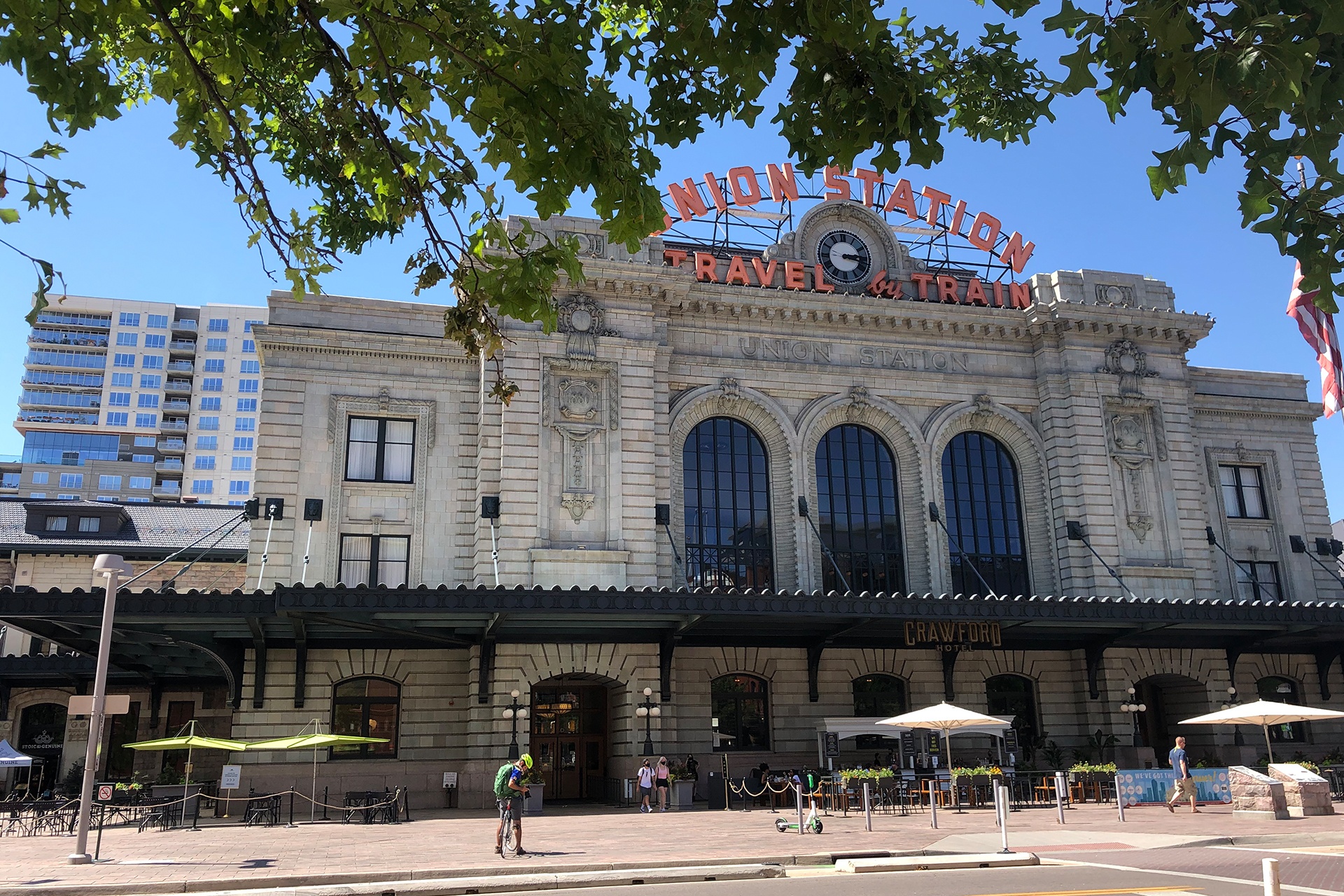
Top Train Adventures in Denver, Colorado

Denver, Colorado

Denver is a city where steel rails stitch the high plains to the Front Range’s stone spine — a gateway for commuter routines and a launch point for mountain narratives. Train experiences here range from short, heritage steam rides and museum-run excursions to long-distance passages that cross canyons and passes. This guide focuses on the experience of traveling by train in and out of Denver: the urban terminals, scenic spur lines, museum rides, and practical puzzle of using rail to reach hikes, breweries, and mountain trailheads.

9
Activities
Year-round (with seasonal scenic excursions)
Best Months

Top Train Trips in Denver

9 trips • Book with confidence • Instant confirmation

Why Denver Is a Standout Train Destination

To ride a train from Denver is to travel on the hinge between city pulse and mountain quiet. Union Station, the city’s restored rail palace, feels like a portal: a central hall of travelers, craft coffee, and the steady echo of announcements that point toward distant places. From that grand vestibule, the rail network fans out — commuter lines that thread suburbs to downtown, Amtrak’s long-distance corridor that runs west along the spine of the Rockies, and a constellation of heritage operations and museum-run rides that keep Colorado’s steam-and-spark history in motion. The experience is both functional and cinematic. A short heritage run gives you the tactile pleasures of an old coach — creaking leather, the clack of wheels — while a scenic excursion offers big-sky panoramas through canyon cuts and across the arid approaches to higher peaks.

Beyond nostalgia, train travel in Denver is practical. Regional commuter rail provides a low-stress alternative to highway traffic for reaching foothill trailheads and mountain towns, especially when parking at trailheads is limited. Trains also create natural combinations: step off a morning commuter train in a historic rail town and find a trailhead, a coffee shop, and a bike rental within easy reach. For photographers and landscape seekers, the progression from urban grid to exposed ridgeline along a rail corridor outlines a compact, layered landscape that changes by the mile — river corridors, red-rock outcrops, and then the conifer fringe of the higher forest.

Seasonal variation intensifies the appeal. Summer shows off clear views and wildflower-lined rights-of-way; fall paints the aspen pockets and cottonwoods in amber near higher-altitude stops; winter turns some routes into snowy tableaux, ideal for a quiet, reflective ride. Operational realities matter: some specialty railways run only in summer or on holiday schedules, while commuter and Amtrak services operate year-round. That means planning — matching the right service to the experience you want, whether it’s a short family-friendly heritage ride, a daylong scenic passage, or a train-used-as-transport to a hike, bike, or backcountry start. In short: Denver’s trains deliver history, scenery, and practical mobility, and they do it in a way that invites travelers to combine rail passages with trail, bike, and cultural stops for a fuller Front Range adventure.

Rail in Denver is both destination and connector: heritage railways and museums preserve a century of mountain-rail lore while modern commuter lines make the mountains reachable without a car.

Scenic corridors radiating west from the city offer rapid landscape transitions — a single trip can move riders from urban plazas to high-country views.

Trains pair well with other outdoor activities: bike-and-rail loops, hike-from-the-station trips, and photography-focused day outings are common combinations.

Activity focus: Train travel, scenic railways, and rail-adjacent outdoor access
Nine notable train-based experiences and excursions within the metro and nearby mountains
Union Station is Denver’s primary passenger hub for local and long-distance rail
Combination trips (train + hike or bike) are a practical way to access popular trailheads
Seasonal specialty excursions may operate on limited schedules—plan ahead

Best Time to Visit

Best Months

MayJuneJulyAugustSeptemberOctober

Weather Notes

Late spring through early fall brings the clearest mountain views and the most scheduled scenic excursions. Winter routes and holiday trains offer snowy vistas but some specialty lines reduce service in the cold months. Afternoon thunderstorms are common in summer at elevation—plan early departures for mountain routes.

Peak Season

Summer and early fall (June–October) are the busiest times for scenic and heritage train services.

Off-Season Opportunities

Late fall through winter can provide quieter carriages and dramatic snowbound scenery on routes that run year-round; weekdays outside of peak season often have the most available seats.

Frequently Asked Questions

Do I need to book scenic or heritage train rides in advance?

Advance booking is recommended for popular scenic excursions and weekend heritage runs, particularly in summer and during holiday specials. Commuter and many local services sell tickets on board or via apps, but availability can vary.

Can I take a bike on the train?

Policies vary by operator. Some commuter trains and long-distance services allow bikes with restrictions or reservations; heritage excursions may limit storage. Check the specific operator’s bike policy before planning a multi-modal trip.

Are trains in Denver accessible for travelers with mobility limitations?

Major stations and many modern commuter trains offer accessibility features, but historic equipment and some heritage lines may have limited access. Contact the rail operator in advance to confirm accommodations.

Choose Your Experience Level

Beginner

Short, family-friendly heritage rides and museum trips that introduce rail travel and mountain vistas without logistical complexity.

  • Heritage steam or diesel tourist ride near Denver
  • Denver museum-run demonstration trips
  • Short commuter runs to nearby towns

Intermediate

Daylong scenic excursions and multi-segment trips combining train travel with hiking, biking, or town exploration.

  • Scenic day excursion to a mountain corridor with on/off points for hikes
  • Rail + bike loop from station to trail network
  • Photography-focused early-morning train runs

Advanced

Multi-day independent rail travel or use of long-distance services as a logistics backbone for backcountry approaches requiring coordination of transfers and return travel.

  • Amtrak or long-distance rail segments paired with extended trekking or remote trailheads
  • Complex multi-modal itineraries using regional trains, shuttles, and trailheads
  • Planning overnight rail passages and gear transfers

Insider Tips & Local Knowledge

Verify schedules and special-service dates; many scenic and heritage railways operate limited runs that change year to year.

Reserve popular scenic trips early and pick a seat on the right or left depending on the route for best views (ask staff when boarding). Arrive at Union Station with extra time — it’s more than a platform: it’s a hub with shops and connections. For photographers, early-morning light often favors westbound departures from the city. If you plan to combine trains with hikes, pick routes that stop at trailhead-friendly towns and confirm last-train times for return legs. Keep altitude in mind: Denver is already over 5,000 feet, and short hikes after arrival may feel more strenuous than at sea level. Finally, treat museum visits (Colorado Railroad Museum, local heritage centers) as both a primer and a fallback activity when weather cancels a scenic run.

What to Bring

Essential

  • Government ID and printed or mobile train ticket
  • Layered clothing (Denver altitude and mountain microclimates vary)
  • Camera or phone with extra storage for landscape shots
  • Reusable water bottle and snacks for longer excursions
  • Day pack for transfers and short hikes from stations

Recommended

  • Portable phone charger (outlets are not guaranteed on all trains)
  • Earplugs for light sleepers on long-distance services
  • Light rain shell for mountain weather
  • Compact binoculars for canyon and ridge viewing

Optional

  • Small travel pillow for early-morning or overnight segments
  • Railfan guide or map for those interested in history and routes
  • Foldable tote for purchases at station markets

Ready for Your Train Adventure?

Browse 9 verified trips in Denver with instant booking

Explore Top 15 Denver, Colorado Adventures →