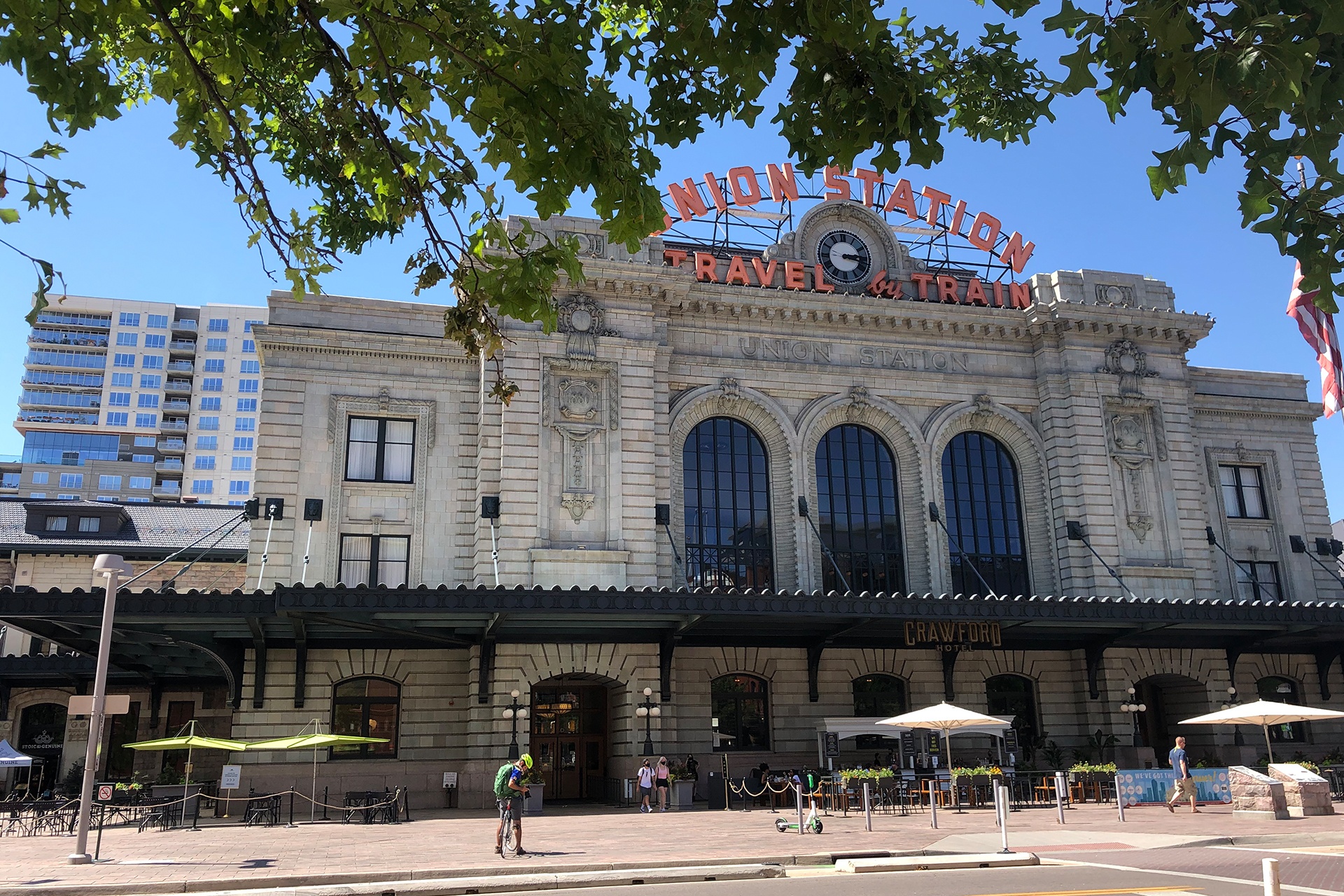
Top Train Adventures in Delgany, Colorado
Delgany sits at the edge of the Colorado Rockies’ lower slopes—a quiet staging ground for rail experiences that are both nostalgic and immediate. Whether you’re chasing the slow, panoramic ritual of scenic excursions, seeking rail-trail cycling and walking routes that follow old right-of-ways, or using a short commuter hop as the gateway to mountain trails, trains in and around Delgany shape how travelers encounter the landscape: gently, precisely, and with plenty of time to watch the light change on the foothills.
Top Train Trips in Delgany
9 trips • Book with confidence • Instant confirmation
Why Delgany Is a Standout Train Destination
There’s a certain slowness to rail travel that suits Delgany’s rhythm. The town itself is modest—more a hinge than a hub—but that’s part of the appeal: trains here are connective tissue, moving people between wide-open sky, foothill pines, and higher alpine country without the abruptness of highway travel. From the vantage of a window seat you trace the geology of the Front Range: foothill ridges give way to steeper parklands, ranchlands recede into stands of cottonwood and pine, and horizons unfold into layers of blue-gray ridgelines. That view is the promise of train travel around Delgany—time to read the land, to spot wildlife along riparian corridors, and to consider the human stories that tracks carve through the West.
Historically, rail lines shaped settlement patterns and resource movement across Colorado; today they do the same for travel and recreation. Local rail experiences are a mosaic: short scenic rides that emphasize photography and comfort, seasonal excursion services that pair a slow pace with interpretive narration, and multi-use corridors where former freight lines have become rail-trails for cyclists and hikers. The experience is as much about the stops as the ride. Small stations and trailheads close to rail lines let passengers step off and into trail systems, into fishing pockets, or into tiny towns for coffee and local fare. For travelers who like to layer activities, trains offer an elegant logistics solution: a midday hop back to town after a morning hike, or an evening return that leaves the mountain air behind without the drive.
Delgany’s rail-related culture also favors quiet stewardship. Where corridors slice through private and public land, there’s an emphasis on keeping access respectful—sticking to designated crossings, supporting seasonal protections for nesting birds, and using public transit where available to reduce roadside pressure. That conservation-minded approach dovetails with other outdoor activities accessible from rail: birding along river corridors, cycling rail-trails, day hikes up foothill ridgelines, and winter snowshoe or backcountry gateways when conditions allow. For planners, trains reduce the friction of parking, allow for flexible one-way itineraries, and create opportunities to connect multiple outdoor pursuits into a single day without a car swap. In short, Delgany’s train experiences are less about the final destination and more about the way the journey expands your sense of place.
Trains act as a low-stress way to layer outdoor activities—ride in, hike or bike a loop, then catch a later train back to your base.
Rail-trails and converted right-of-ways provide gentle gradients ideal for casual cyclists, families, and trail runners who prefer fewer steep climbs.
Seasonal services emphasize scenery and storytelling: look for narrated excursions, wildlife-spotting windows, and timetable planning that matches daylight hours.
Best Time to Visit
Best Months
Weather Notes
Late spring through early fall provides the most reliable weather for combining train travel with outdoor stops. Afternoon storms can pop up in summer; higher-elevation access may be limited by snow into spring. Winter rail access exists but services and trailhead conditions vary.
Peak Season
Late summer holidays and leaf-change weeks in early autumn attract the biggest crowds on scenic services and local rail-trails.
Off-Season Opportunities
Shoulder seasons offer quieter trains and the chance to pair low-elevation hikes or birding with uncrowded observation car windows—winters can be serene but check service schedules and trail conditions.
Frequently Asked Questions
Do I need reservations for scenic trains?
Reservation policies vary by operator. For most popular scenic excursions and weekend services, reservations are recommended—check the specific operator’s site before you travel.
Can I bring a bike on the train?
Many services accommodate bikes either in dedicated car space or via rack reservations; some local commuter runs allow foldable bikes only. Confirm bike policies with the operator in advance.
Are trains wheelchair accessible?
Accessibility varies by service and station. Some platforms and cars are accessible, while historic excursion equipment may not be. Contact the operator for detailed accessibility information before booking.
Choose Your Experience Level
Beginner
Short, scenic rides and rail-trail strolls that require minimal planning—ideal for families and travelers wanting an easy, panoramic experience.
- Window-seat scenic hop with nearby station walks
- Easy rail-trail family bike loop
- Half-day narrated excursion with frequent stops
Intermediate
Combine train travel with half-day hikes or cycling on converted right-of-ways; requires basic planning for schedules and gear transitions.
- One-way rail hop paired with a hike back to town
- Multi-stop day exploring small towns and trailheads
- Seasonal excursion with wildlife or birding focus
Advanced
Multi-modal itineraries that use trains as logistics—one-way long rides, overnight rail packages, or rail-supported bikepacking that demand careful timing and contingency planning.
- All-day rail and backcountry gateway with remote trail access
- Bikepacking using rail-trails and occasional station pickups
- Extended scenic journey connecting multiple outdoor regions
Insider Tips & Local Knowledge
Verify schedules, accessibility, and seasonal closures before you go.
Aim for a window seat on the side that faces the foothills when possible—the photographic light and wildlife corridors are best observed from that perspective. Pack a small, fast daypack so you can step off quickly at short stops without hauling luggage. If you plan to mix hiking or biking with train legs, build buffer time into your plan: platforms, ticketing, and local shuttles can add minutes that matter when services are limited. When using rail-trails, treat them respectfully—yield to users, lock bikes at official racks, and avoid riding during wet conditions to prevent trail damage. Lastly, consider early- or late-season departures for softer light, fewer crowds, and wildlife activity at dawn and dusk.
What to Bring
Essential
- Window-seat mind—bring a compact binocular for wildlife and landscape viewing
- Layered clothing (trains can be drafty or warm depending on sun and ventilation)
- Daypack for on-off explorations at stops
- Snacks, water, and a refillable bottle
- Charged phone or camera with spare battery
Recommended
- Light rain shell—mountain weather can change quickly at nearby trailheads
- Compact folding lock for bikes when leaving them at a station
- Printed or offline map of local rail-trail connections
- Earplugs for light sleepers on overnight or early-morning services
Optional
- Travel journal or sketchbook for window-seat storytelling
- Small tripod or monopod for low-light photography from the observation car
- Portable charger for electronics
Ready for Your Train Adventure?
Browse 9 verified trips in Delgany with instant booking
Explore Top 15 Delgany, Colorado Adventures →