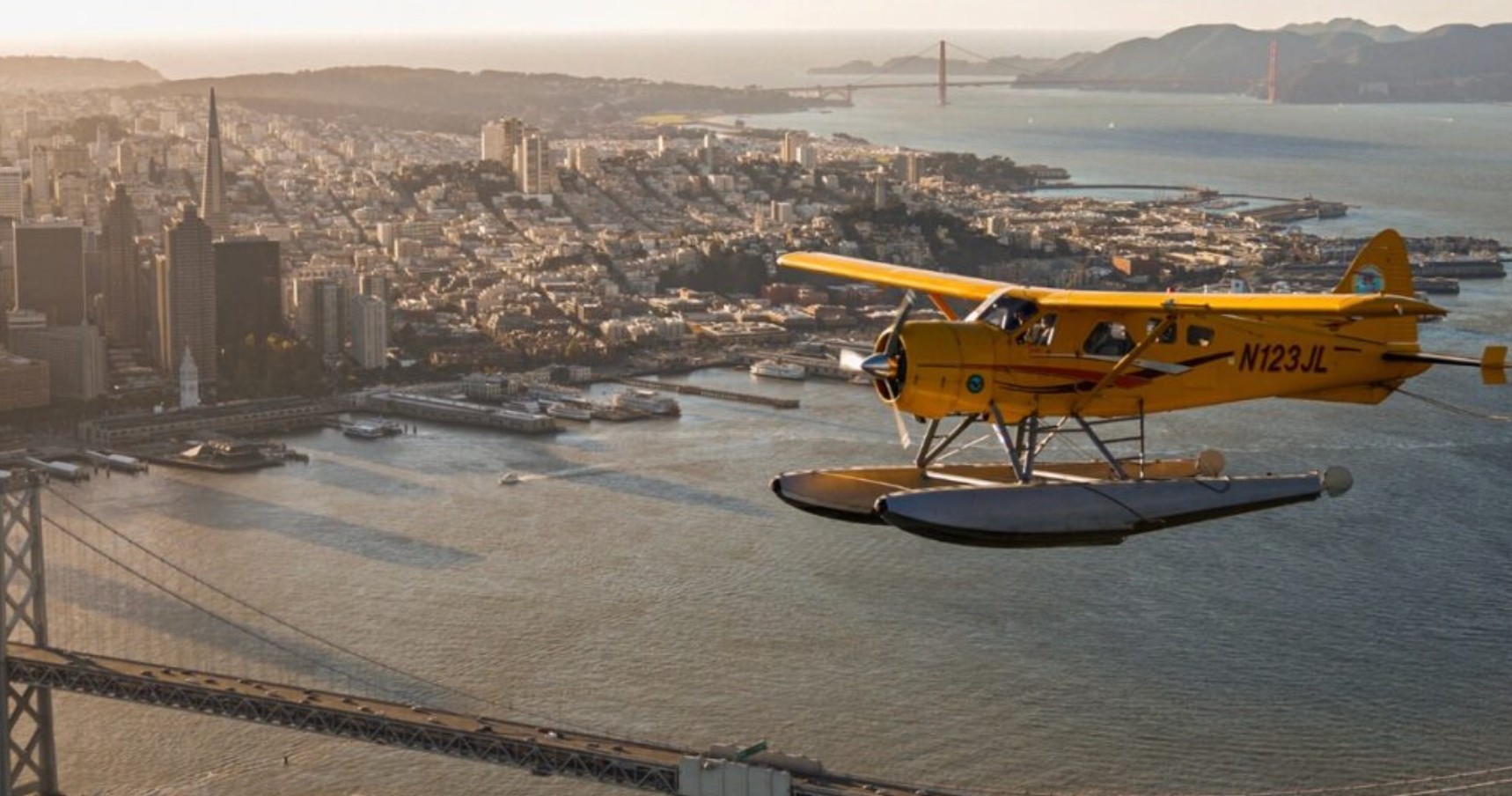
Airplane Experiences in Danville, California

Danville, California

Perched in the shadow of Mount Diablo, Danville is a quietly excellent base for airplane experiences that range from short scenic hops to discovery flights and flight training at nearby general aviation fields. The real draw here is perspective—sudden, sweeping views of the East Bay, the jagged ridge of Diablo, and, on clear days, the shimmering arc of San Francisco Bay. Whether you’re booking a 30-minute aerial tour to photograph fall color on the flanks of the mountain, signing up for a discovery flight to see if piloting is for you, or arranging a charter to reach wine country and beyond, airplane activities around Danville deliver a clean, efficient way to overlay the landscape with a new sense of scale.

18
Activities
Year-round (visibility and wind dependent)
Best Months

Top Airplane Trips in Danville

18 trips • Book with confidence • Instant confirmation

Why Airplane Experiences Near Danville Stand Out

There’s a peculiar generosity to seeing a place from the air. Streets and storefronts and commuter patterns flatten into geometry, while topography suddenly announces itself: ridgelines, watersheds, and the outline of a city that only make sense when you back away. Danville’s advantage is its liminal position—close enough to the Bay Area’s major airports and services, yet bordered by open skies and a dramatic near-range peak in Mount Diablo. Flights launched from the general aviation fields around Danville are often shorter, more flexible, and more intimate than the large commercial hops out of SFO or OAK. That means flying here leans toward experiences: short scenic circuits for photography and sightseeing, discovery flights that hand the stick—briefly—to eager first-timers, and practical charter legs that connect door-to-door with wineries, regional parks, and neighboring coastal towns.

The region’s microclimate also shapes the experience. Mornings often break with a coastal marine layer that sits low over the bay and washes inland; when it lifts, visibility can be extraordinary. Afternoon thermals and sea breezes change the climb and approach dynamics, which is why local operators schedule many scenic flights in the morning and around sunset for calm air and flattering light. The terrain itself—open valleys, agricultural pockets, and the abrupt rise of Diablo—creates brief, dramatic transitions in scenery that make short flights feel cinematic. For pilots and students, the area offers varied training opportunities: pattern work at quieter fields, short cross-country legs into varied airspace, and the visual landmarks of the Bay Area for navigation practice.

Finally, airplane experiences here are easily combined with other outdoor pursuits. A sunrise flight over Diablo can be followed by a ridge hike; a late-morning discovery flight pairs naturally with a tasting at nearby vineyards. Operators around Danville are accustomed to tailoring routes to what visitors want—photography runs, aerial surveys, or simply a smooth scenic loop—so the activity is as modular as it is memorable. Practical considerations matter: weather windows, weight limits for small aircraft, and noise-sensitive neighborhoods can constrain timing and routes. That said, for travelers seeking perspective, efficiency, and a touch of airborne quiet, an airplane experience around Danville is among the region’s most transportive ways to travel.

Short, local flights emphasize views over endurance; most scenic circuits run 20–60 minutes, perfect for photography and first-time flyers.

Nearby general aviation airports and flight schools offer discovery flights, private charters, and formal flight training—making Danville a versatile jumping-off point.

Weather patterns—marine layer, afternoon sea breezes, and occasional thermal activity—affect scheduling; mornings and late afternoons often produce the calmest air.

Activity focus: Scenic flights, discovery flights, flight training, light-charter legs
Closest general aviation fields serve short, flexible departures ideal for sightseeing
Mount Diablo is the dominant visual landmark—routes often include a circuit for sustained views
Morning windows usually provide the best visibility and calmer air
Aircraft types commonly used: Cessna/PA-28 light singles, light twins, and small charter turboprops (operator-dependent)

Best Time to Visit

Best Months

AprilMaySeptemberOctober

Weather Notes

The Bay Area’s marine layer can produce low clouds in late spring and early summer (June–July “June Gloom”), reducing visibility for low-level scenic flights. Mornings and late afternoons typically offer the calmest conditions and best light. Summer afternoons can be breezy; winter brings lower ceilings but crisp visibility between storm systems.

Peak Season

Late spring and early fall for stable visibility and comfortable temperatures.

Off-Season Opportunities

Winter can deliver dramatic skies and quieter booking windows between fronts—good for students and photographers willing to watch weather closely.

Frequently Asked Questions

Do I need any special paperwork to fly on a sightseeing flight?

Most operators require a government-issued photo ID and a signed waiver or booking confirmation. If you’re booking a flight that departs from a controlled airport, operators will handle any additional manifest or security requirements.

Are discovery flights safe for first-time flyers?

Yes—discovery flights are structured experiences led by certified flight instructors. Operators brief passengers on safety, weight limits, and in-cabin procedures. Ask about the aircraft type and weather minimums before booking.

Can I bring a camera and take photographs during the flight?

Absolutely. Bring a secure strap and avoid leaning against windows. For best results, schedule flights in the morning or golden hour to reduce glare and turbulence.

Choose Your Experience Level

Beginner

Short scenic circuits and discovery flights designed for first-time flyers and photographers. Flights are typically 20–60 minutes and focus on landmarks and smooth, low-altitude viewing corridors.

  • 30-minute Mount Diablo scenic loop
  • Discovery flight with hands-on time under instructor supervision
  • Bay-skyline photo circuit at golden hour

Intermediate

Longer sightseeing flights, short cross-country legs, and introductory flight lessons that expand airspace experience and route planning. Good for travelers who want a longer aerial perspective or a first lesson toward a pilot certificate.

  • One-hour East Bay to San Francisco Bay circuit
  • Introductory dual lesson focusing on basic maneuvers
  • Charter leg to nearby wine country or coastal towns

Advanced

Formal flight training, instrument or mountain flying practice, and complex aircraft charters. These experiences demand pre-arranged scheduling, more flight time, and an understanding of local airspace and weather patterns.

  • Cross-country training flights into varied Bay Area airports
  • Instrument flight rules (IFR) instruction and practice
  • Mountain flying and ridge-crossing training missions

Insider Tips & Local Knowledge

Book flexible morning slots, confirm weight and baggage limits, and check local noise-abatement guidelines.

Reserve flights well in advance for weekends and holiday periods; small aircraft have limited seats and operators often fill quickly for clear-day windows. Aim for early-morning departures to avoid the marine layer and afternoon thermals. If photography is your priority, request a route that keeps the sun behind the aircraft for the best light and ask about window cleanliness beforehand. For discovery flights and lessons, arrive with comfortable, non-slip shoes and minimal loose items. Consider pairing a short scenic flight with a hike or winery visit—operators are used to recommending nearby partners and can often help schedule pickups. Lastly, be mindful of noise-sensitive neighborhoods; pilots often follow specific corridors to reduce overflight of residential areas, which also influences the visual highlights you’ll see from the air.

What to Bring

Essential

  • Government-issued photo ID (required for many operators)
  • Sunglasses with UV protection
  • Light layered clothing (cockpit temperatures can vary)
  • Camera with secure wrist or neck strap
  • Any operator-provided safety briefings completed in advance

Recommended

  • Light jacket for cooler altitudes and early-morning flights
  • Ear protection (many small aircraft are noisy; operators often provide or recommend)
  • Phone fully charged, with spare battery or power bank if photographing extensively
  • Compact binoculars for shoreline and mountain detail

Optional

  • Small daypack if combining flights with local hikes or wine-tasting
  • Notebook for logbook notes if you’re a student pilot
  • Polarizing filter for aerial photography to reduce glare

Ready for Your Airplane Adventure?

Browse 18 verified trips in Danville with instant booking

Explore Top 15 Danville, California Adventures →