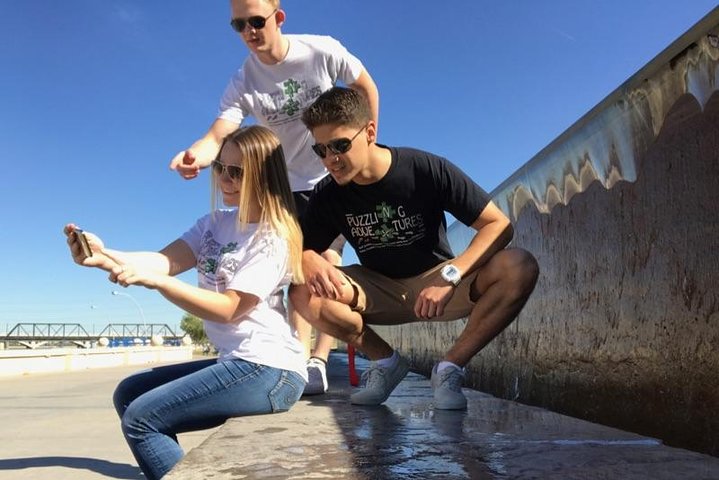
Top Walking Tours in Dana Point, California
Dana Point compresses a lifetime of Southern California coastal life into a few walkable miles: working harbor, sheltered beaches, rugged bluffs and strollable streets where maritime history meets modern surf culture. This guide focuses on walking tours—self-guided or led—that let you feel the salt, watch whales on the horizon, inspect tidepool communities, and trace the town's seafaring past without ever needing a car.
Top Walking Tour Trips in Dana Point
12 trips • Book with confidence • Instant confirmation
Why Dana Point Is a Standout Walking Tour Destination
Dana Point is a coast-wound story told in footsteps. Each step moves through layers: the tight geometry of a working harbor where fishing boats and leisure craft share the same tide lines, the open sweep of sandy beaches where surfers read swell like a language, and the exposed edges of coastal bluffs where wind and water have carved a raw, tactile topography. Walking here feels elemental—your route alternates between the human-scaled comforts of promenade railings and the wild, edge-of-continent exposures that allow ocean life to be viewed in intimate detail.
The town's history tightens the narrative. Dana Point takes its name from Richard Henry Dana Jr., the author of Two Years Before the Mast, whose 19th-century seafaring memoir paints the coastline with the same weathered detail you encounter on a shoreline walk. That maritime legacy lingers in the harborfront villages and the Ocean Institute's educational presence—places where local stories about whales, fishing, and coastal commerce surface during a tour like pieces of driftwood on a beach. Walking tours in Dana Point thus fold natural history, human history, and everyday local life into a compact, very do-able itinerary.
Ecologically, Dana Point is a valuable coastal wedge. Tidepools shelter organisms that thrive on the narrow fringe between sea and land; bluff-top scrub and pocket wetlands host migratory birds and small mammals; offshore, seasonal whale migrations thread a vertical theatre into your horizontal walk. For travelers who love short, layered experiences, this means a single walking tour can alternate vantage points: binoculars trained on a spout far offshore one minute, knees bent to study anemones and limpets the next. The contrast is part of the appeal.
Practically speaking, Dana Point's walking tours are accessible across ability levels and motivations. There are flat, stroller-friendly promenades through the harbor; short, interpretive loops around the Headlands Conservation Area; and more exposed bluff-top stretches that require sure footing and windproof layers. Guided walking tours often add context—naturalists, local historians, and harbor captains point out seasonal wildlife, historical markers, and subtle cultural quirks that make the town feel like a living museum. Self-guided options, by contrast, give you the freedom to linger on a bench and watch the light on Catalina Island, or to pause for a coffee in the Lantern District and then continue toward a tidepool question you can't resist.
In short, Dana Point concentrates the coastal California walking experience into discrete, accessible tours: short bursts of nature and narrative stitched together by harbor-side cafes and public viewpoints. Whether your priority is marine life, local history, or low-key coastal exercise, the town's geography and community support walking as the primary way to experience its charms.
The variety is compact but meaningful: harbor promenades and marina scenes, marked interpretive trails on the headlands, beachside strolls at Doheny State Beach, and tidepool micro-ecosystems visible at low tide.
Seasons shift the experience—winter and spring are prime for whale watching; spring brings active tidepools and migrating shorebirds; summer is busiest for beach traffic and sunset walks.
Many walks are short and beginner-friendly, but a handful require steady footing on exposed bluffs and will benefit from good shoes, wind layers, and tide awareness.
Best Time to Visit
Best Months
Weather Notes
Dana Point has a mild coastal climate. Spring and fall offer comfortable temperatures and lower marine layer frequency; summer brings warmer beach days but also the busiest crowds and occasional overcast mornings; winter and early spring are best for offshore whale watching and are cooler with occasional storm swell.
Peak Season
Summer weekends and holiday periods are the busiest, especially around the harbor and beaches.
Off-Season Opportunities
Winter weekdays provide quieter trails and good odds for whale sightings; low tides during cooler months expose richer tidepool life with fewer crowds.
Frequently Asked Questions
Do I need permits for walking tours or beach access?
Most public promenades, beaches, and headland trails are open without permits. Special guided activities (e.g., educational programs, organized group events) may require reservations or fees—check with tour operators or park authorities.
When is the best time of day for tidepooling?
Low tide during daylight hours is ideal. Consult local tide charts and aim to arrive an hour before the lowest tide to explore exposed pools safely. Morning low tides often mean calmer conditions and softer light.
Is Dana Point walkable without a car?
The harbor, nearby beaches, and the Lantern District are walkable from central parking or transit stops, but some headland access points and connecting neighborhoods are easier to reach with a short drive or bike ride.
Choose Your Experience Level
Beginner
Flat, paved promenades around Dana Point Harbor and beach-front sidewalks—ideal for families, casual strolls, and those seeking easy views.
- Harbor promenade and marina loop
- Doheny State Beach boardwalk and shoreline walk
- Lantern District stroll with cafés and shops
Intermediate
Short bluff-top trails and mixed-surface loops with modest elevation changes; expect uneven footing, brief stair sections, and exposed wind.
- Headlands Conservation Area interpretive loop
- Coastal bluff walk from the harbor toward Doheny
- Guided tidepool exploration at low tide
Advanced
Longer coastal circuits that combine multiple headland vantage points, off-shore viewpoints, and extended beach-to-bluff transitions; requires good footwear and awareness of exposure.
- Extended headland-to-beach circuit with multiple lookout points
- Sunset bluff traverse with uneven footing and wind exposure
- Combined walking and short scrambling to access remote tidepools (season- and tide-dependent)
Insider Tips & Local Knowledge
Check tide charts, wear windproof layers, and arrive early on weekends to secure parking near popular trailheads.
Start a harbor walk at first light for the quietest experience and best light for photography. For tidepools, low spring tides provide the richest exploration—always respect posted closures and marine-protected zones. Whale-watching is often best from late morning through early afternoon when offshore visibility improves; bring binoculars and scan the horizon from headland overlooks. Combine a short walking tour with a harbor-side café stop: Dana Point's walkable scale makes it easy to pivot between nature and local flavors. Finally, respect the fragile intertidal life—look, photograph, and avoid touching animals or moving rocks. If you plan to join a guided tour, book in advance during summer and holiday weekends.
What to Bring
Essential
- Comfortable walking shoes with good grip
- Water bottle and light snacks
- Sun protection: hat, sunscreen, sunglasses
- Light wind- and water-resistant layer
- Tide table or tide app for low-tide exploration
Recommended
- Binoculars for whale and bird watching
- Small daypack for layers and purchases
- Compact camera or phone with protective case
- Reusable bag for any litter—leave no trace
Optional
- Light trekking poles for exposed bluff sections
- Beach shoes for rocky tidepool entries
- Field guide or wildlife ID app for tidepool species
Ready for Your Walking Tour Adventure?
Browse 12 verified trips in Dana Point with instant booking
Explore Top 15 Dana Point, California Adventures →