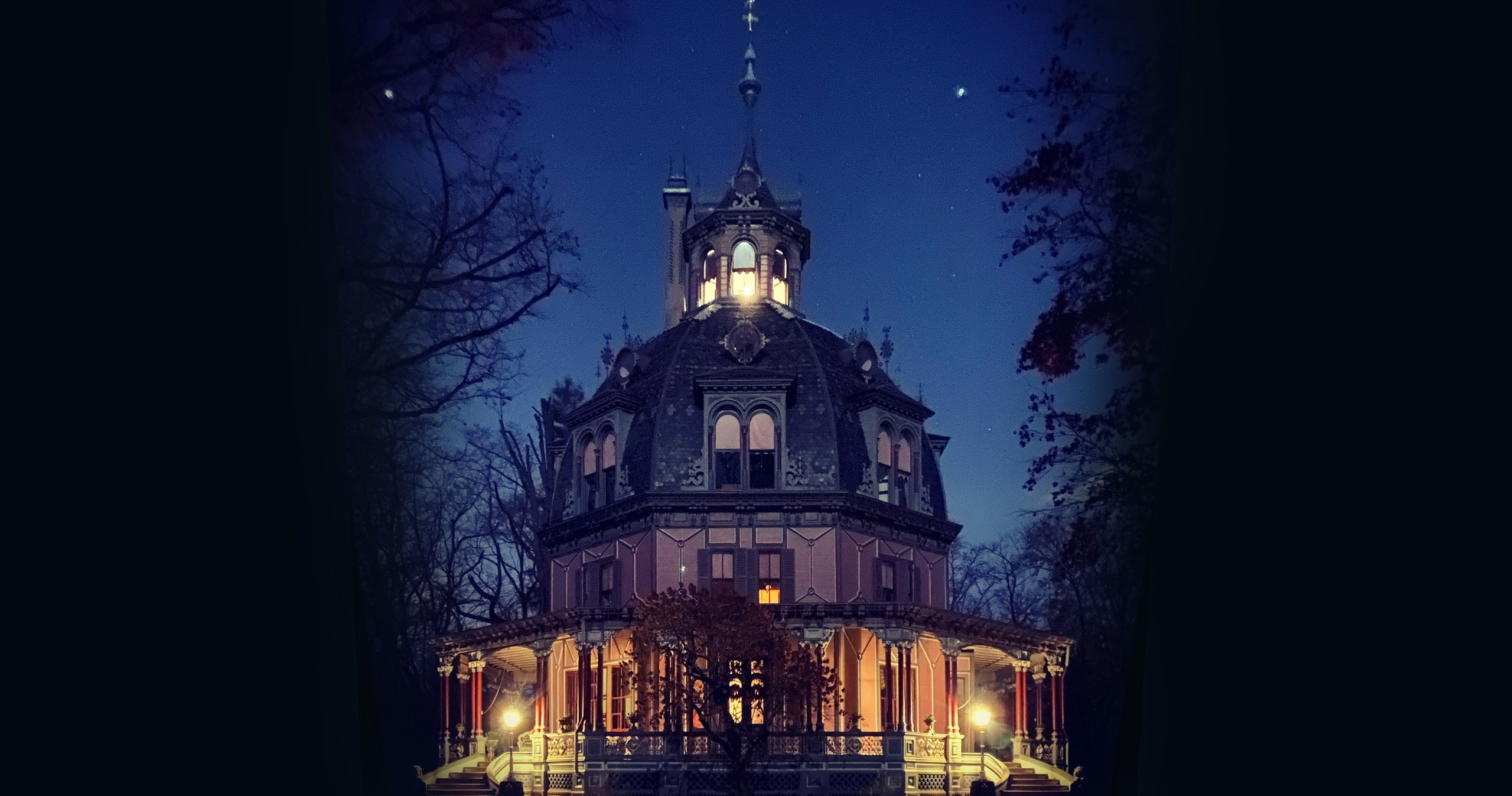
Photography Tours in Croton-on-Hudson, New York
Croton-on-Hudson condenses a surprising range of photographic subjects into a small, accessible pocket of the Hudson Valley: river panoramas, a dramatic dam and spillway, coastal wetlands, and old rail and village architecture. Whether you’re after golden-hour silhouettes above the river, long-exposure water motion at Croton Dam, or intimate bird shots in the marshes, guided and self-led photography tours here emphasize light, composition, and timing more than epic mileage.
Top Photography Tour Trips in Croton-on-Hudson
39 trips • Book with confidence • Instant confirmation
Why Croton-on-Hudson Rewards Photographers
There’s a scaled-down grandeur to Croton-on-Hudson that reads well through a lens. In a single walk you can move from quiet tidal marsh and reed beds to a granite dam built in the 19th century, then to a riverside village lined with old brick and clapboard. The town’s compact geography makes it ideal for short photography tours where lighting and weather matter more than long hikes. Sunrise and sunset are magnetic here: the Hudson widens, clouds pick up color quickly over the water, and low tidal light softens textures across mudflats and pilings.
The landscape is both natural and engineered. Croton Dam and the gorge create a dramatic foreground for long exposures—spray, foam, and rushing water convert into silver ribbons at dusk. Croton Point Park offers shifting scenescapes: open meadow, shoreline, and a peninsula where migration funnels birds in spring and fall. Little Stony Point and nearby Westchester rail corridors introduce lines and layers—tracks, bridges, and industrial relics that photographers prize for contrast against the river’s organic forms. That juxtaposition is the town’s visual signature: Hudson River School sensibilities (the valley’s history of landscape painting) meet post-industrial texture.
On a practical level, Croton-on-Hudson is unusually accessible for day photographers coming from New York City—train access and short drives mean you can plan golden-hour shoots without committing to a multi-day trek. Guided tours here lean toward craft: composition coaching, exposure techniques for moving water, marshland bird ID for wildlife shots, and local vantage points that shift with the tide and season. For travelers who want to combine disciplines, the area pairs well with paddling sessions, short hikes on nearby preserves, and village street photography. Expect changing light and changing weather; the elements here give you drama, but they also require preparation—waterproof protection for gear, flexible plans for wind and rain, and an eye for safety near cliffs and dam edges.
Guided photography tours add value beyond location scouting: leaders often bring local knowledge about where migratory birds concentrate, when the dam’s water patterns produce the most photogenic flows, and how to angle for skyline reflections. They also smooth logistics—parking, sunrise access, and low-light shooting tips—so you spend more time making images and less time hunting vantage points.
Seasonal change reshapes the experience. Spring migration and late-April to June green-up open the marshes to warblers and shorebirds. Summer emphasizes saturated greens and dramatic sunsets but also brings more insects and humidity. Fall is the marquee season—foliage and softer light amplify river reflections and bring the longest, most colorful golden hours. Winter offers stark, minimalist compositions: bare trees, muted skies, and the chance for icy textures on the river edge, but short daylight and cold-weather challenges for equipment.
Best Time to Visit
Best Months
Weather Notes
Spring and fall provide the most comfortable shooting temperatures and the best chances for migrating birds and dramatic skies. Summer offers lush color and long days but can be humid; evening storms are possible. Winter gives stark light and fewer crowds but short daylight hours and potential ice.
Peak Season
October foliage and fall migration is the busiest and most visually rewarding period.
Off-Season Opportunities
Winter weekdays offer solitude and minimalist compositions; early spring’s quiet light is excellent for long-exposure river work if you can handle cold conditions.
Frequently Asked Questions
Do I need permits for photography in Croton’s parks?
Most casual photo shoots are allowed in public parks without a permit. For commercial shoots, large tripods, or using drones, check local park regulations and Westchester County permitting requirements in advance.
Are photography tours beginner-friendly?
Yes. Many tours cater to a range of skill levels, offering practical instruction on composition, exposure, and using tripods. Self-led options range from short village strolls to longer shoreline sessions.
Where are the best spots for sunrise and sunset?
River-facing points like Little Stony Point, Croton Point Park, and viewpoints near the Croton Dam deliver strong sunrise and sunset opportunities. Exact light and reflections depend on season and cloud cover.
Choose Your Experience Level
Beginner
Short, flat walks and curated village or park routes designed to teach basic composition, exposure, and how to use a tripod.
- Sunrise riverfront stroll
- Croton village street & architecture session
- Beginner wetlands birdwatching tour
Intermediate
Half-day tours that include long exposures at the dam, marsh edge bird work with moderate telephoto lenses, and coaching on light control and framing.
- Long-exposure dam and gorge photography
- Golden-hour shoreline composition workshop
- Migratory bird telephoto session
Advanced
Tactical shoots focusing on low-light techniques, advanced landscape panoramas, multi-stop itineraries, and specialized wildlife approaches. May require longer approaches and working in more exposed locations.
- Dawn-to-dusk multi-vantage landscape day
- Low-light panorama and HDR workflow session
- Advanced wildlife & telephoto technique tour
Insider Tips & Local Knowledge
Confirm park hours, seasonal closures, and any special events before planning. Respect posted boundaries near the dam and shoreline; erosion and slippery rocks are hazards.
Arrive well before golden hour to scout angles and set up a tripod—river light changes fast. For reflections, aim for calm wind conditions; early morning is usually the most placid. If you’re focused on birds, target spring migration mornings and bring a 300mm+ lens. Consider combining a photography tour with a short kayak trip for water-level perspectives, or time village street sessions for mid-day when the light is harsher and contrasts give character to historic facades. Parking can fill on weekends—train access (Hudson Line) offers a reliable alternative for day trips from NYC. Finally, check drone rules carefully: many parks and dam areas restrict flights, and local permitting may be required for commercial shoots.
What to Bring
Essential
- Camera body and at least one walkaround lens (24–70mm or equivalent)
- Sturdy tripod for long exposures and low-light shooting
- Polarizing filter and neutral-density (ND) filter for water motion
- Weather protection for gear (rain cover, dry bags)
- Comfortable shoes and layered clothing for variable conditions
Recommended
- Telephoto lens (100–400mm or 70–200mm) for birds and details
- Spare batteries and memory cards (long shoots drain power)
- Lens-cleaning kit for spray and salt from the river
- Headlamp for pre-dawn setup and pack-up after sunset
Optional
- Compact stool or mat for low-angle marsh shooting
- Portable reflector for portrait sessions near the village
- Field guide or app for local birds and plants
- Drone—but verify local park and FAA rules before flying
Ready for Your Photography Tour Adventure?
Browse 39 verified trips in Croton-on-Hudson with instant booking
Explore Top 15 Croton-on-Hudson, New York Adventures →