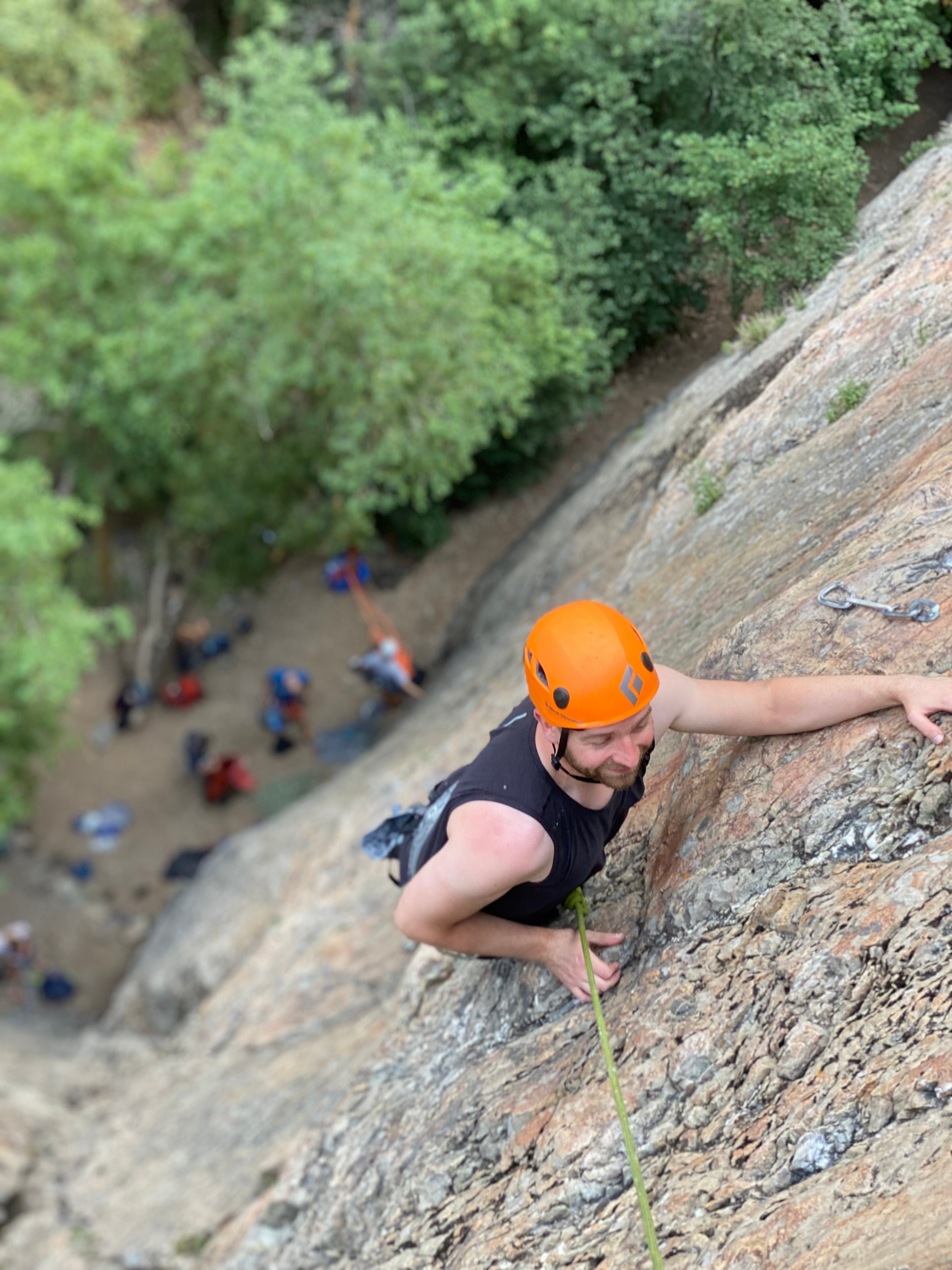
Top 9 Climbing Adventures in Cottonwood Heights, Utah

Cottonwood Heights, Utah

Perched on the eastern edge of the Salt Lake Valley, Cottonwood Heights is a compact gateway to some of the Wasatch Front's most varied climbing: steep granite faces, pocketed slabs, bouldering pads, and winter ice lines. Routes spill out of narrow canyons and climb toward bright, exposed ridgelines; proximity to the city makes sunrise approaches and after-work laps practical, while the seasonal shift from rock to ice keeps the climbing calendar full. This guide focuses on the climbing experience here—how the terrain feels under your hands, what seasons favor which disciplines, and what to pack and plan for to turn a day in the canyons into a memorable ascent.

9
Activities
Year-round (rock in spring–fall; ice and mixed lines in winter)
Best Months

Top Climbing Trips in Cottonwood Heights

9 trips • Book with confidence • Instant confirmation

Why Cottonwood Heights Is a Standout Climbing Destination

Cottonwood Heights sits where the Wasatch Front rises abruptly from the Salt Lake Valley, and that abruptness is what makes the climbing so immediate and absorbing. Within a short drive from city streets you trade traffic noise for bright walls of stone, short but steep approaches, and exposures that make you feel like you've stepped into a high-mountain playground. The canyons here compress elevation and variety: the same afternoon can include highball bouldering on pocketed slabs, a multi-pitch crack line that demands slow, efficient movement, and, when winter hardens the gullies, thin ice climbs that reward precise footwork.

The rock itself leans toward compact, hard varieties that accept small edges and thin protection—climbs demand technique and attention. Routes range from short single-pitch sport climbs that are perfect for quick sessions to multi-pitch trad lines that peel up clean faces into open sky. Bouldering sectors dot the canyon mouths and talus slopes, offering powerful problems and low-commitment sessions for training or play. Because the approaches are often short, Cottonwood Heights attracts a mix of day-trippers, local craggers squeezing in an hour before work, and visiting climbers chasing classic routes in the Wasatch. That mix creates a lively climbing culture: you’ll see groups warming up in the shade, partners swapping beta over belays, and a practical canyon etiquette shaped around shared parking and seasonal closures.

Seasonality shapes everything. Spring and fall bring crisp, dry rock and steady temps ideal for redpoint attempts and long multipitch days. Summer offers early-morning rock and higher-temperature considerations—start before the sun touches south-facing walls. Winter locks the canyons into a different game: frozen waterfalls and mixed lines reward technical ice tools and crampons, and sunny south-facing crags can still host dry tool practice. The short nature of many routes also makes Cottonwood Heights an excellent place to learn climbing systems—anchoring, trad gear placement, and efficient multi-pitch transitions—because mistakes have immediate, visible consequences and there’s rarely a long, exposed approach separating you from the car.

Beyond climbing itself, the area ties into a broader outdoor menu. Trail runs, mountain biking on forest roads, and alpine scrambles are all within reach; after a day on the rock you can walk into a canyon meadow, watch weather move across the Salt Lake Valley, or duck into a local cafe to swap stories. Proximity to Salt Lake City means access to rental gear, guiding services, and outdoor shops if you need last-minute replacement pieces. That combination of variety, proximity, and concentrated climbing terrain makes Cottonwood Heights an efficient, rewarding stop on any Wasatch climbing itinerary.

Short approaches and concentrated crags make for efficient single-day climbing—great for half-day trips and after-work sessions.

Rock quality is generally solid and technical; many routes reward precise footwork and accurate protection placement.

Seasonality creates two distinct experiences: high-friction rock climbing in spring/fall and technical ice/mixed climbs in winter.

Activity focus: Rock climbing (sport, trad, bouldering) and winter ice/mixed climbs
Short approaches—many climbs are within a 10–45 minute walk from the road
Weather can change quickly; afternoon thunderstorms in summer are possible
Parking in canyon pullouts can fill early on spring/fall weekends
Proximity to Salt Lake City means easy access to shops, guiding, and rental gear

Best Time to Visit

Best Months

AprilMayJuneSeptemberOctober

Weather Notes

Spring and fall provide the most comfortable rock-climbing temperatures, with low humidity and high friction. Summer can be hot on south-facing walls—plan morning sessions. Winter brings frozen waterfalls and mixed routes; bring technical ice tools and be mindful of avalanche and ice-fall hazards.

Peak Season

Late spring and early fall are popular for rock climbing; expect higher visitation on weekends.

Off-Season Opportunities

Winter offers ice and mixed climbing for those with the right skills and gear—solitude is common on weekdays but conditions can be technical.

Frequently Asked Questions

Do I need permits for most climbs?

Most day climbs accessible from the canyon roads do not require special permits, but specific conservation areas, parking zones, or restricted access routes can have rules—check the U.S. Forest Service and local land-manager pages before you go.

Are routes suitable for beginners?

Yes—there are sport and top-rope friendly single-pitch areas appropriate for beginners. For trad, multi-pitch, or ice climbing, seek instruction or hire a guide until you have the necessary skills.

How early should I start to avoid crowds?

On weekends, arrive before sunrise or very early morning to secure parking and enjoy quieter belay stations. Weekdays typically see far fewer climbers.

Choose Your Experience Level

Beginner

Short single-pitch sport and top-rope areas with minimal approach, ideal for learning rope systems and movement on rock.

  • Top-rope sessions at a nearby sport crag
  • Bouldering warm-ups near the road
  • Introductory guided day with a local instructor

Intermediate

Longer single-pitch and introductory trad routes, plus multi-pitch lines that demand efficient transitions and route-finding.

  • Lead sport routes with sustained sequences
  • Beginner-friendly trad lines with moderate protection
  • Half-day multipitch climbs

Advanced

Technical multi-pitch trad, hard sport lines, and winter ice/mixed climbs that require advanced gear skills and mental commitment.

  • Full multi-pitch trad ascents on exposed faces
  • Highball bouldering and project routes
  • Steep ice and mixed lines in frozen gullies

Insider Tips & Local Knowledge

Check local access rules, seasonal closures, and weather before you go. Respect canyon parking and leave no trace.

Start before sun-up on south-facing walls during warm months to take advantage of cooler rock. During spring runoff and after heavy rain, avoid climbs with water seepage—wet rock can be fragile and dangerous. If you’re new to trad or winter climbing, hire a certified guide for route selection and pro placement training. Carry change for parking meters and plan exits: some routes finish a short scramble from the road, others drop you into longer drains where cell service can be spotty. Finally, be courteous—share belays and keep group sizes moderate to minimize impact and maintain access for all visitors.

What to Bring

Essential

  • Climbing shoes and helmet
  • Harness, belay device, and locking carabiner
  • Appropriate rope(s) for multipitch routes
  • Personal anchor system and slings
  • Water and calorie-dense snacks

Recommended

  • Trad rack (cams and nuts) if attempting traditional routes
  • Quickdraws and extra draws for sport climbs
  • Light insulating layer for belays and early starts
  • Headlamp for late exits or early approaches
  • Sunscreen and a hat for exposed walls

Optional

  • Crash pad for bouldering sessions
  • Micro-ice tools and frontpoints for winter mixed/ice climbing
  • Topo or guidebook (or offline beta on a phone)
  • Small repair kit (webbing, cord, tape)

Ready for Your Climbing Adventure?

Browse 9 verified trips in Cottonwood Heights with instant booking

Explore Top 15 Cottonwood Heights, Utah Adventures →