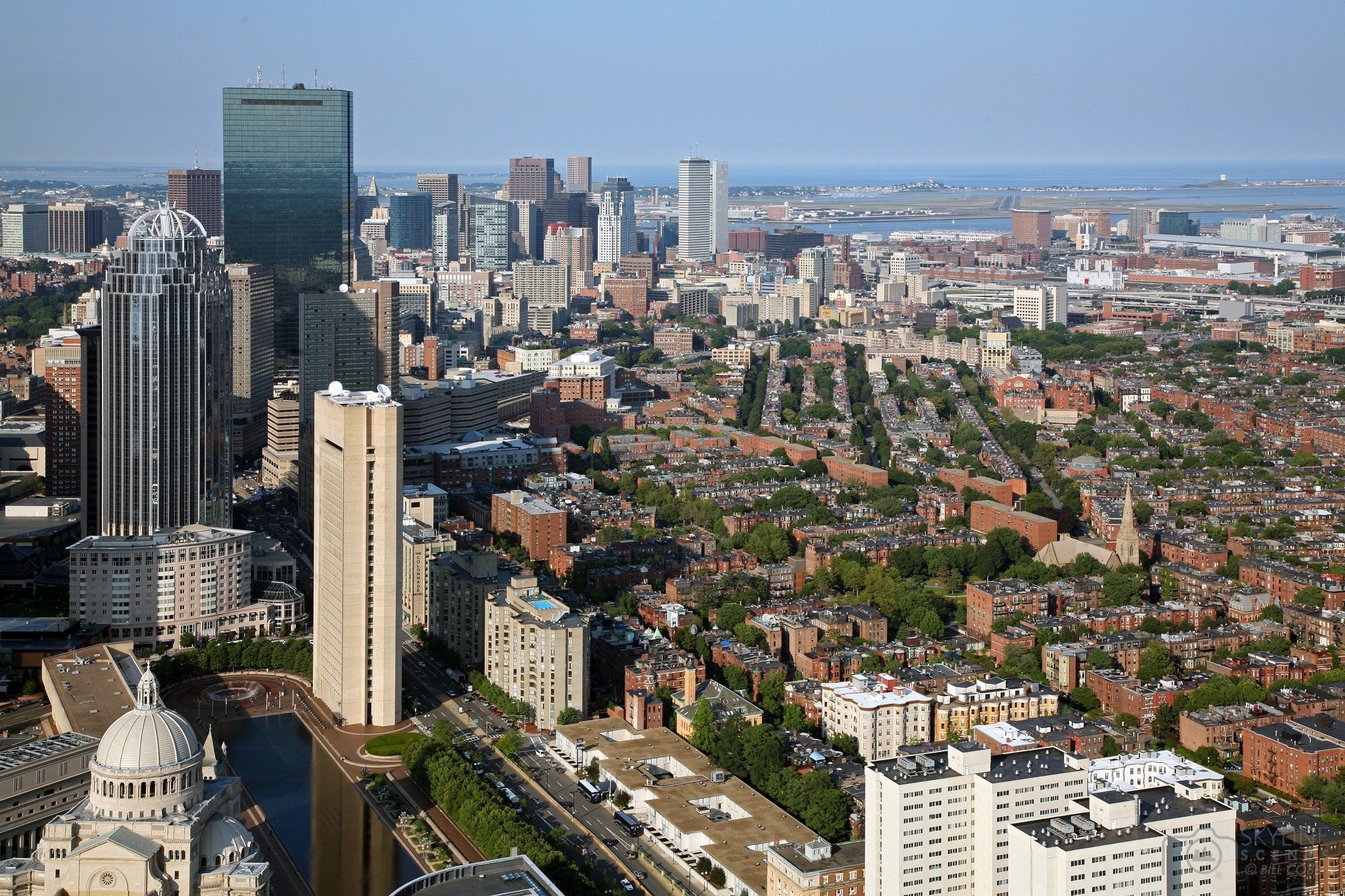
Top 8 Photography Tours in Concord, Massachusetts
Concord folds literary history into river bends and pond-side light, offering short, intensely photogenic scenes that reward slow observation. These eight photography tours focus on dawn and dusk light, intimate landscapes, architectural details of New England’s revolutionary towns, and guided workshops that pair technique with local storytelling.
Top Photography Tour Trips in Concord
8 trips • Book with confidence • Instant confirmation
Why Concord Is a Distinctive Photography Destination
Concord's light feels like it was written for a camera. A half-hour west of Boston, the town is deceptively compact: sugar-maple lined streets, low stone walls, carefully framed colonial homes, and water that records the sky with quiet fidelity. Photographing here is less about conquering a grand vista than about learning to compose within intimate frames — the reflection of a tree in Walden Pond at first light, the stoic angle of a Revolutionary War-era bridge against morning mist, or a portrait of an apple tree in blossom with the graves of nineteenth-century poets as backdrop. The territory rewards patience. Dawn and dusk are cinematic; the town’s low horizon and open ponds let color saturate without the hard contrast you get in mountainous regions.
This is also a place where photography intersects with cultural history. Routes thread past sites associated with Emerson, Thoreau, and the Alcotts; workshops often pair image-making with short interpretive stops, allowing photographers to place a frame around the town’s human stories as well as its landscapes. Tours range from short walking sessions focused on architectural detail and street portraits to full-morning expeditions that pair canoe trips on the Concord River with lessons in reflected-light composition. The scale of Concord makes it ideal for travelers who want a high-yield photographic day without long drives or heavy hiking. Accessibility is strong: many prime locations are reachable by short walks from parking areas or local transit hubs, though some shoreline angles require uneven footing and care in wet seasons.
Practical rhythm matters: spring brings flowering understory, swamps alive with migratory birds, and the soft, layered greens photographers covet. Fall concentrates color into a few spectacular weeks, especially along river corridors and hilltops, and invites more dramatic skies. Winter reduces the palette to shapes, form, and contrast — a strong season for black-and-white studies of architecture and skeletal trees. Because many tours are small-group and led by local shooters, you’ll often gain technical feedback on composition, exposure blending, and the ethical considerations of photographing in historically significant sites. That blend of craft and context—technique sharpened by local stories—is why Concord’s photography tours stand out: they teach you to see this particular New England light, and then give you the skills to capture it.
Scale and intimacy: Concord’s smaller scenes are perfect for photographers who prefer compositional constraints—walls, doorways, bridges—over sweeping panoramas. Successful images here are about detail, texture, and narrative.
Seasonal variety: spring and fall are peak windows for color and comfortable shooting conditions, while winter offers stark monochrome opportunities and fewer tourists for unobstructed frames.
Complementary activities: pair a morning street-architecture walk with an afternoon canoe session on the Concord River for reflected-light studies, or combine a historical house tour with golden-hour portraits of period landscapes.
Best Time to Visit
Best Months
Weather Notes
Spring and fall offer the most reliable, photographically interesting light and comfortable temperatures; summer can be humid with variable haze and late-afternoon storms, while winter is cold and best for minimalistic compositions.
Peak Season
Mid-October during peak fall color and weekend festival activity.
Off-Season Opportunities
Late-winter weekdays provide solitude for architectural and black-and-white studies; lower visitation means more flexible access to popular sites.
Frequently Asked Questions
Do I need permits to photograph around Walden Pond or Minute Man National Historical Park?
Basic still photography for personal use typically doesn’t require a permit, but commercial shoots, large tripods, or organized group activities may. Always check park-specific rules and contact site managers before planning a commercial session.
Are tours beginner-friendly?
Yes. Many local tours welcome beginners and mix technical instruction with compositional coaching. Look for small-group workshops that specify beginner or mixed-skill levels.
Can I bring a drone?
Drone use is restricted in many historic and park areas. Verify FAA rules and local park regulations before flying; if in doubt, contact the tour operator or land manager for current guidance.
Choose Your Experience Level
Beginner
Short, coach-led walks focusing on camera basics, composition, and exposure in easy-to-access locations.
- Dawn reflections at Walden Pond
- Architectural detail walk through the town center
- Introductory portrait session in the apple orchard (seasonal)
Intermediate
Longer outings that introduce advanced composition, light management, and basic post-processing suggestions; may include river access or short boat/canoe segments.
- Concord River canoe sunrise shoot
- Golden-hour village street and doorway study
- Fall foliage corridor tour with layered exposure techniques
Advanced
Custom or private sessions emphasizing advanced techniques: long exposures, multi-frame blending, controlled lighting, or commercial-location work with deeper historical framing.
- Pre-dawn large-format workflows at panoramic vantage points
- Night photography and star-composition studies (seasonal)
- Editorial-style shoots combining models, period wardrobe, and site staging (permits may be required)
Insider Tips & Local Knowledge
Check site access, park hours, and localized rules before you go; many prime spots are busiest at sunrise and sunset.
Arrive early to claim low-angle light at pond edges and river bends; the hour after sunrise often yields the calmest water and fewer reflections from passing boats. During fall, scout a week in advance—color peaks can shift quickly and differ by elevation and river exposure. Bring foot protection for wet shoreline rocks and expect muddy access in spring. If you’re booking a workshop, ask whether the guide offers on-site critique and file-review time, or a follow-up digital critique session. For historical sites, read a bit about the people and places beforehand—the best photographs often capture a sense of story as much as light. Finally, respect private property and stay on designated paths; many of Concord’s most photogenic fences and stone walls border active homes and farms.
What to Bring
Essential
- Camera body and at least one versatile lens (24–70mm equivalent recommended)
- Spare batteries and memory cards
- Lightweight tripod for low-light and reflection shots
- Waterproof layer and comfortable walking shoes
- Small daypack to carry gear and personal items
Recommended
- Telephoto (70–200mm) for river and bird studies
- Wide-angle lens for pond and street scenes
- Polarizing filter to manage reflections and enhance skies
- Lens cloth and small microfiber towel for misty mornings
- Portable phone charger for navigation and backup shots
Optional
- Neutral-density filter for long-exposure water effects
- Compact reflector for portrait sessions
- Lightweight kayak/canoe shoes if joining river-based tours
- Notebook for sketching composition ideas and notes from guides
Ready for Your Photography Tour Adventure?
Browse 8 verified trips in Concord with instant booking
Explore Top 15 Concord, Massachusetts Adventures →