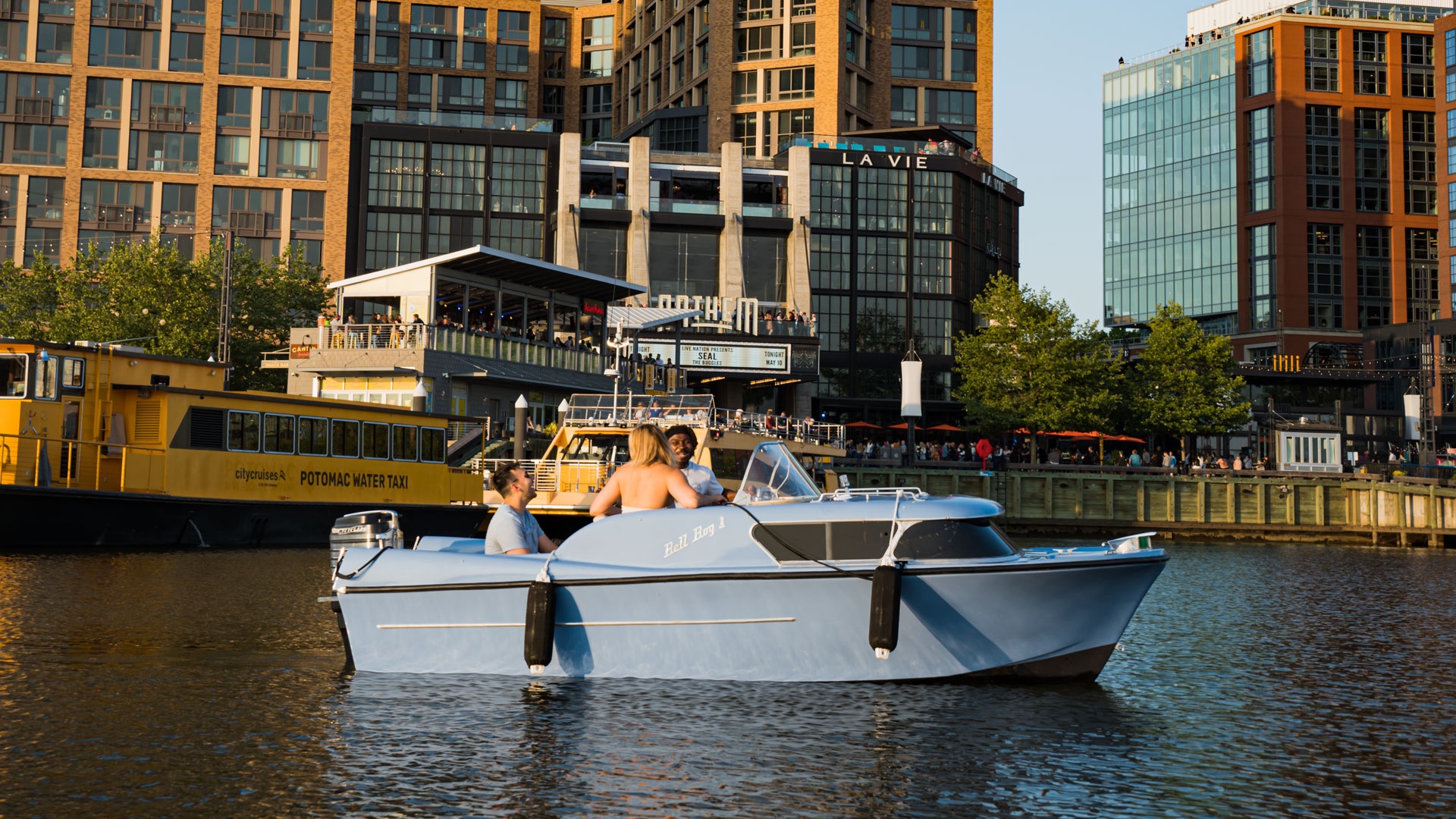
College Park’s boating personality is modest but strategic: it’s less about a single iconic harbor and more about being a launchpad. Slide off a calm pocket of water before breakfast at a university-adjacent lake, and by midmorning you can be threading a kayak down slow tributaries of the Anacostia or driving 20–30 minutes for tidal paddling on the Potomac or a Chesapeake Bay day. For travelers who prize accessibility—short drives, modest crowds, and a mix of urban and natural scenery—College Park is an unusually convenient place to start both short recreational paddles and longer excursions.
The landscape here folds from suburban parkland into broad watersheds. Lake Artemesia and small park ponds offer glassy water and shoreline meadows where beginners can learn stroke technique and families can float without the intimidation of current or traffic. Move out to the Anacostia’s tributaries and you meet a different mood: channels lined with marsh grass, wooded banks that hide herons and kingfishers, and the faint hum of the city that anchors you to the region’s human geography. Beyond those tributaries, the Potomac opens into tidal rhythms and wider vistas—the water feels larger, the wind matters more, and navigation choices increase.
That range is useful for trip planning. If you or your group want a low-risk, half-day outing, nonmotorized rentals and guided SUP classes at calm ponds or protected coves are ideal. If you want to test tidal navigation, longer river runs toward Bladensburg, National Harbor, or Potomac marinas introduce currents, bridges, and the logistics of shuttling or docking. For anglers and cruisers, motorboat charters or rentals from nearby marinas give access to bay islands and blue-water flats where largemouth bass, striped bass, and migratory birds congregate.
College Park’s place in the Chesapeake watershed also means your trip can be generative: you can pair a paddle with cultural stops at the University of Maryland, local cafes, and conservation sites that explain efforts to restore the Anacostia. Practically, the area is friendly to mixed-skill groups—learners can practice in protected waters while more experienced paddlers stage more ambitious runs nearby. Seasonality is straightforward: spring and early fall offer the most comfortable paddling weather, while summer brings warm water and occasional afternoon thunderstorms that demand planning and early starts.
Finally, renting a boat around College Park is often about choices—self-guided rentals for freedom, guided trips for local intelligence, and motorized options for range. That menu makes the city less a destination and more a gateway: short, satisfying paddles or the first step toward wider Chesapeake adventures.
Local variety: calm university lakes and park ponds for beginners, tidal tributaries and the Potomac for intermediate paddles, and bay-access charters for open-water excursions.
Minimal travel time: College Park’s proximity to Washington, D.C., reduces transit to major launch points and gives paddlers options across different water types in a single day.
The harbor is the gateway, and the Pacific becomes the classroom.
Environmental context: paddling here connects you to restoration projects and regional conservation efforts focused on the Anacostia and Chesapeake Bay watersheds.
Choose by purpose
Whale watching, snorkeling, sunset sailing, cultural canoeing, harbor sightseeing, or private chartering.
Start near the city
Waikiki and Honolulu Harbor are primary hubs, with some trips launching near Hanauma Bay.
Confirm the vessel
Gangways, shaded seating, and boarding requirements vary according to vessel size and operator.