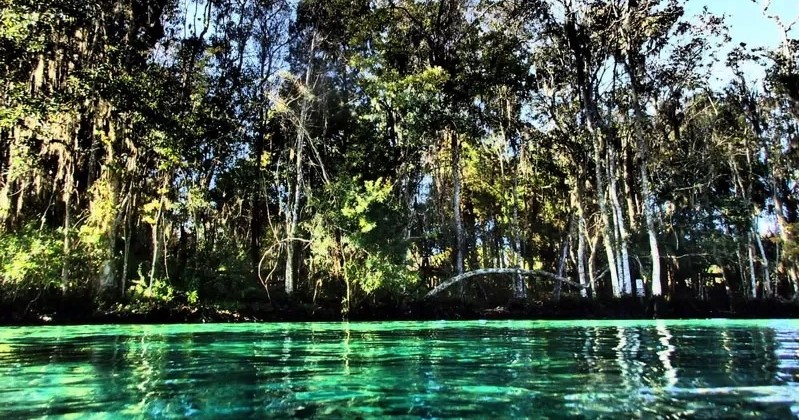
Scuba in Citrus Springs, Florida
Citrus Springs sits at the crossroads of Florida’s crystalline freshwater springs and the nearby Gulf coast—an uncommon pairing that makes it a practical base for divers seeking both clear, temperate spring dives and coastal marine encounters. From submerged limestone formations and freshwater visibility that feels almost surreal, to easy access by car to boat-based reef and wreck dives on the Gulf side, the area serves up intimate, technically varied experiences for certified divers and adventure-minded snorkelers alike.
Top Scuba Trips in Citrus Springs
12 trips • Book with confidence • Instant confirmation
Why Scuba Around Citrus Springs Feels Distinctive
There’s a quiet peculiar to diving around Citrus Springs that separates it from the crowded wreck trails of the Keys or the open Gulf walls: a convergence of freshwater clarity, karst geology, and easy access to both inland springs and coastal waters. The springs that thread across this region are fed by groundwater pushed through ancient limestone—water that often arrives cool, clear, and laden with the kind of light that turns bubbles and suspended particles into silver ribbons. For a diver, that clarity sharpens the sense of being somewhere both intimate and otherworldly; you can watch sunlight slice down through a water column to reveal ledges, springs boils, and the delicate tangle of submerged vegetation.
Diving here is as much about geology and hydrology as it is about fish. Submerged limestone shelves, sinkhole rims, and small caverns create sculpted environments that reward neutral buoyancy and slow, observant swims. Many local dives are short boat hops from coastal ramps or gentle descents from spring park shorelines, which means you can build a day around two very different environments: a morning freshwater spring dive in astonishing clarity, followed by an afternoon boat run to a nearby Gulf reef or artificial structure where seagrass, snook, and the occasional ray populate warmer, saltier water. That duality is useful for travelers who want variety without long transfers or flights between ecosystems.
Beyond the physics and habitats, there’s a human rhythm to diving here. Locals favor relaxed, safety-first approaches: tight buoyancy control in springs to avoid stirring up pristine visibility, and a strong emphasis on respecting seasonal wildlife—especially during the winter months when manatees aggregate in warmer springs. Training matters. Cavern-like features and deeper sinkholes can look tempting, but they also come with limits and hazards that are best handled by proper certification and local briefings. If you’re a diver who likes to mix a little geology, wildlife watching, and reef exploration into a single trip, Citrus Springs and its neighboring waterways offer concise, accessible dives that deliver memorable clarity and surprising biodiversity without the logistical fuss of larger dive hubs.
The spring systems around Citrus Springs create freshwater dive sites with unusually clear visibility and interesting limestone formations; they’re excellent for photographers and technical divers who value precise buoyancy.
Citrus Springs’ location also puts you within reasonable drive time of coastal dive operations—so you can pair inland spring dives with Gulf reef or artificial-structure dives in a single multi-day itinerary.
Best Time to Visit
Best Months
Weather Notes
Florida’s subtropical climate means mild winters and hot, humid summers. Springs tend to hold steady temperatures relative to surface air, but surface conditions (wind, rain) affect coastal dives. Winter months draw wildlife viewers—particularly for manatees—while late spring and fall often bring calmer seas and comfortable air temperatures.
Peak Season
Late fall through early spring sees increased visitation to springs and wildlife-focused dives, especially for those hoping to see manatees in warmer waters.
Off-Season Opportunities
Summer can be quieter for some inland sites and offers warmer surface temperatures; however, afternoon thunderstorms are more frequent and can disrupt boat-based coastal dives.
Frequently Asked Questions
Do I need special permits to dive the springs?
Permit requirements vary by specific spring park or managed area. Many public springs allow recreational diving with park fees or day-use passes, while some conservation areas have additional restrictions—check the managing agency or local dive operator before planning.
Is a cavern or cave certification required?
If you plan to enter overhead environments beyond daylight-penetrated caverns, specialized cavern or cave certifications are required. Many local sites have visible caverns that are fine for open-water divers to view from the entrance, but penetration is a different skillset.
How close are coastal dives to Citrus Springs?
Citrus Springs is within driving distance of coastal dive operations along the Gulf coast. Many divers base in the springs area for inland dives and take short drives for boat-based reef or wreck trips; confirm transit times with your operator as they vary by launch point.
Choose Your Experience Level
Beginner
Open-water certified divers can enjoy shallow freshwater spring dives and protected coastal reef sites with gentle conditions. Focus on buoyancy control and restricted entry/exit points used by parks.
- Shallow spring basin dive with guided entry
- Beginner-friendly coastal reef boat dive
- Guided snorkeling to Supplemental practice in spring run areas
Intermediate
Divers with additional experience can explore deeper spring bowls, ledges, and more exposed coastal reefs. Expect to navigate currents on some Gulf dives and practice precise gas planning for multiple short dives.
- Deeper spring sinkhole perimeter dives
- Multi-site day with a spring morning and Gulf afternoon
- Skills-focused workshops on buoyancy and photography
Advanced
Advanced and technical divers will find cavern edges, potential cave-shelf features, and offshore wrecks or deeper reef structure to challenge navigation and air-management skills. Specialized training is essential for any penetration dives.
- Cavern limit dives with reel work (certification required)
- Advanced boat dives to deeper artificial structures or wrecks
- Technical training dives in controlled spring environments
Insider Tips & Local Knowledge
Plan around wildlife seasons, respect park rules, and prioritize buoyancy—visibility is easily ruined by poor trim.
Book local operators for recent site conditions and recommended itineraries; they’ll know tidal windows for coastal runs and current spring-park policies. Early morning dives often offer the calmest water and best light for photos. In winter, be mindful of manatee protections—observe minimum distances, avoid touching, and follow all posted guidelines. If you’re curious about caverns, schedule a skills-check or guided intro with a certified cavern instructor rather than attempting penetration on your own. Finally, combine a spring dive with surface activities—kayaking, wildlife viewing, or a short coastal snorkel—to get the full regional picture without long drives.
What to Bring
Essential
- Certification card and logbook
- Mask, snorkel, and fins (well fitted to prevent leaks)
- Wetsuit appropriate to season (3mm–5mm for cooler springs, flexible for year-round use)
- BCD, regulator, backup regulator, and properly serviced tanks
- Dive computer or depth/time planning tools
- Surface marker buoy (SMB) and whistle
Recommended
- Neutral-buoyancy tools: reel and small weight adjustments for precise trim
- Reef- or springs-safe dive light for overhangs and caverns
- Underwater camera or GoPro with tray for stable shots in clear water
- Small first-aid kit and antihistamine for marine or plant contact
- Paper map or offline directions to spring parks and launch points
Optional
- Full-face mask for cold-sensitive divers
- Wetnotes or slate for communicating dive plans
- Extra mask and fin straps
- Silicone grease for O-rings if you perform minor kit care in the field
Ready for Your Scuba Adventure?
Browse 12 verified trips in Citrus Springs with instant booking
Explore Top 15 Citrus Springs, Florida Adventures →