1

Eco Tours in Citrus Springs, Florida

Citrus Springs, Florida

Citrus Springs is a low-key gateway to Florida’s freshwater springs, river corridors, and subtropical wetlands. Eco tours here emphasize slow, sensory travel—paddling into glassy springs, watching raptors hunt over marsh edges, and learning about the aquifer-fed systems that sustain the region. These experiences pair natural history with hands-on conservation opportunities, and they’re ideal for travelers seeking quiet, wildlife-rich outings that foreground ecosystem health.

31
Activities
Year-round with seasonal highlights
Best Months

Top Eco Tour Trips in Citrus Springs

31 trips • Book with confidence • Instant confirmation

Why Citrus Springs Is an Essential Eco-Tour Destination

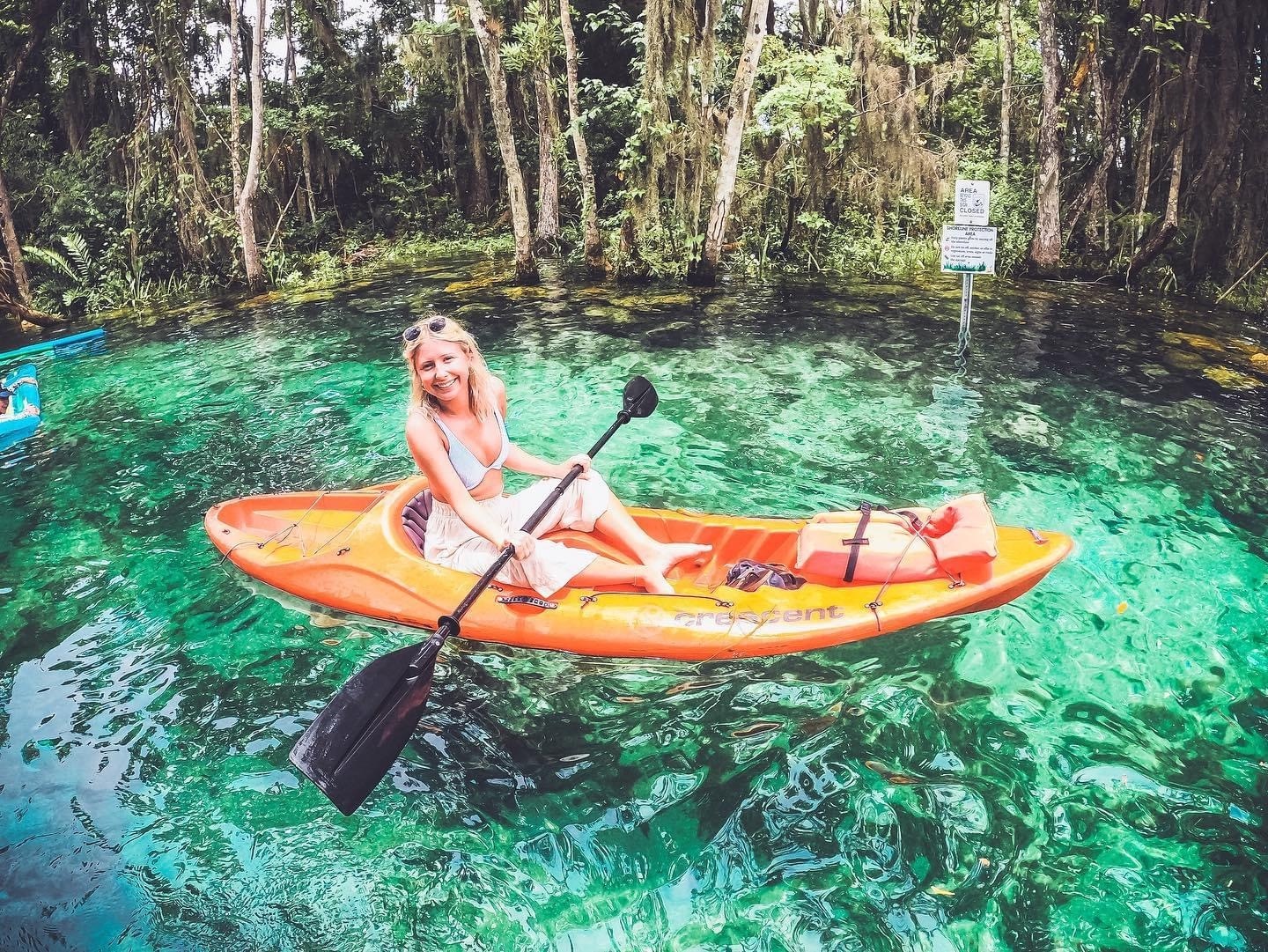
Citrus Springs sits on the interface of Florida’s karst country and the mosaic of rivers, sinkhole lakes, and floodplain marshes that feed the Gulf Coast. For an eco-tourist, that translates to a concentrated classroom of freshwater ecology—thin, clear spring runs spilling from the Floridan aquifer, tannin-stained blackwater sloughs drifting under cypress crowns, and broad wetlands where herons, marsh wrens, and secretive rails find refuge. Eco tours in Citrus Springs aren’t high-adrenaline affairs; their power is quiet and slow. They invite you to move at the pace of the ecosystem: a kayak stroke every few seconds, binoculars raised to a pine snag where an osprey checks the morning light, a naturalist pointing out the mottled patterns on a turtle shell while explaining groundwater connectivity.

That feeling of intimacy stems from the landscape’s geology and history. The karst terrain—limestone riddled with caves and sinkholes—creates a patchwork of springs and seasonal lakes. Those freshwater outflows are biologically rich and culturally resonant; Indigenous peoples, early settlers, and the citrus industry all adapted to and shaped these waterways. Modern eco tours layer conservation sensibilities over that history: guides explain how the aquifer works, why springs clarity is both beautiful and fragile, and how land use upstream affects the health of downstream habitats and Gulf fisheries.

Tours here are diverse in method but unified in purpose. You can choose a gentle guided canoe trip that threads through swampy blackwater channels, a small-group kayak tour into a clear spring run for snorkeling and aquatic-plant study, or a driving-and-walking naturalist tour that focuses on birds, pollinators, and seasonal wildflowers. Many operators emphasize citizen science—water-quality monitoring, bird counts, or invasive-plant removal—that gives visitors a chance to contribute meaningfully, not just observe. That mixture of sensory immersion and purposeful learning is why Citrus Springs works so well for eco-tourists who want both restorative time in nature and a clearer sense of stewardship.

Seasonality shapes the experience in compelling ways. Winter highlights include manatee gatherings in warmer springs and high visibility for wading birds when water levels shift; spring brings migrating songbirds and the explosive greening of marsh grasses; summer is loud with cicadas, lush vegetation, and frequent afternoon storms that refill waterways; and fall can be a quieter, cooler time for paddling. Practical considerations—water temperature, wildlife behavior, and parking at small spring heads—mean that picking a tour that matches your curiosity and mobility level pays off. The best outings balance storytelling and science with discretion: respectful distance from sensitive animals, minimal wake through narrow runs, and a focus on leaving the place better than you found it.

Ultimately, Citrus Springs’ eco tours reward patience. They’re less about ticking off a long bucket list of species and more about learning to read the subtle cues of a spring-fed landscape—how water clarity changes with rainfall, how waders follow the tide of minnows, and how communities can protect an aquifer that underpins life across a wide region. For travelers craving immersive learning, ethical wildlife encounters, and a practical roadmap for related outdoor pursuits—kayaking, snorkeling in springs, birding, and volunteer conservation—Citrus Springs is a compact, compelling basecamp.

Guided paddles and naturalist-led walks are the backbone of eco tours here; local outfitters prioritize small groups and interpretive commentary that connects species and systems to human impacts and stewardship actions.

Complementary activities—snorkeling in crystal springs, birding along river corridors, and citizen-science projects—extend the educational value of a single tour into multi-day opportunities to engage with conservation work.

Activity focus: Slow, interpretive nature tours — paddling, snorkeling, guided walks, birding, and citizen science.
Number of curated eco experiences in the region: 31
Landscape: karst springs, blackwater sloughs, floodplain marshes, scattered pine flatwoods
Wildlife highlights: wading birds, raptors, turtles, freshwater fish, seasonal manatee presence in warmer springs
Conservation emphasis: water-quality and aquifer protection are central themes of local tours

Best Time to Visit

Best Months

NovemberDecemberJanuaryFebruaryMarchApril

Weather Notes

Winters are mild and often the best time for visible wildlife (manatees congregate in warmer springs, and water clarity can improve). Spring brings migration and abundant wildflowers. Summers are hot, humid, and punctuated by daily thunderstorms—great for lush scenery but plan for afternoon storms and intense sun.

Peak Season

Late fall through early spring (manatee season and cooler-weather fieldwork draw visitors)

Off-Season Opportunities

Summer offers quieter waterways, abundant green vegetation, and opportunities to see juvenile birds and turtle hatchlings; plan tours for early morning to avoid heat and storms.

Frequently Asked Questions

Do I need a permit to visit the springs or join eco tours?

Most guided eco tours are covered by the operator’s permits; accessing some public springs or parks may require parking fees or day-use permits. Confirm with your tour provider or local park management before you go.

Are eco tours family-friendly?

Yes. Many operators offer family-oriented paddles and walks. Choose tours labeled family-friendly or beginner-level and notify the outfitter about young children or limited mobility.

How close can I get to wildlife, especially manatees?

Responsible operators follow state and federal guidelines: maintain respectful distances, avoid touching or feeding wildlife, and follow guide instructions for any viewing or snorkeling activities.

Choose Your Experience Level

Beginner

Short, guided paddles on calm spring runs or boat-based naturalist tours with frequent stops and plenty of interpretation.

  • Guided canoe through a shaded spring run
  • Short boat-based wildlife tour of a river slough
  • Park-led shore walk focusing on birdlife and native plants

Intermediate

Half-day kayak or paddleboard trips into connected waterways, introductory snorkeling in clear springs, and citizen-science monitoring sessions.

  • Half-day kayak to a clear spring for snorkeling and aquatic-plant study
  • Guided birding paddle through marsh channels
  • Volunteer water-quality sampling with a local nonprofit

Advanced

Full-day expeditions linking multiple springs and river reaches, technical paddles requiring route-finding in narrow channels, or multi-day conservation-focused experiences.

  • Multi-site river and spring expedition
  • Expert-led nocturnal wildlife and bat surveying
  • Extended citizen-science placement with restoration crews

Insider Tips & Local Knowledge

Book manatee-season tours early, pack for sun and bugs, and choose operators who emphasize low-impact practices.

Start early: mornings are cooler and wildlife is often most active. Verify water- and weather-related cancellations—operators will cancel if conditions threaten safety. Ask guides about their conservation partnerships—many work with local nonprofits on monitoring and habitat restoration, and can point you toward meaningful volunteer options. Respect fragile spring heads and keep groups small; loud noise and wakes disturb aquatic life and erode delicate banks. Finally, treat eco tours as learning experiences: come with curiosity, follow the guide’s lead around wildlife, and bring home the practices you learn to protect the aquifer and waterways you visit.

What to Bring

Essential

  • Lightweight, quick-dry clothing and a sun hat
  • Reusable water bottle and electrolyte replacement
  • Insect repellent (DEET or picaridin recommended in summer)
  • Reef-safe sunscreen
  • Dry bag or waterproof phone case for paddles and boat tours

Recommended

  • Binoculars for bird and wildlife viewing
  • Mask and snorkel for spring snorkeling or shallow-clear runs
  • Water shoes with tread for rocky or sometimes-slick spring bottoms
  • Light rain shell for afternoon summer showers

Optional

  • Portable water-quality test kit for citizen-science tours (if participating)
  • Compact camera with zoom lens
  • Field notebook for observations

Ready for Your Eco Tour Adventure?

Browse 31 verified trips in Citrus Springs with instant booking

Explore Top 15 Citrus Springs, Florida Adventures →