1

Kayaking in Cisco, Utah — Remote Desert Rivers & Reservoir Arms

Cisco, Utah

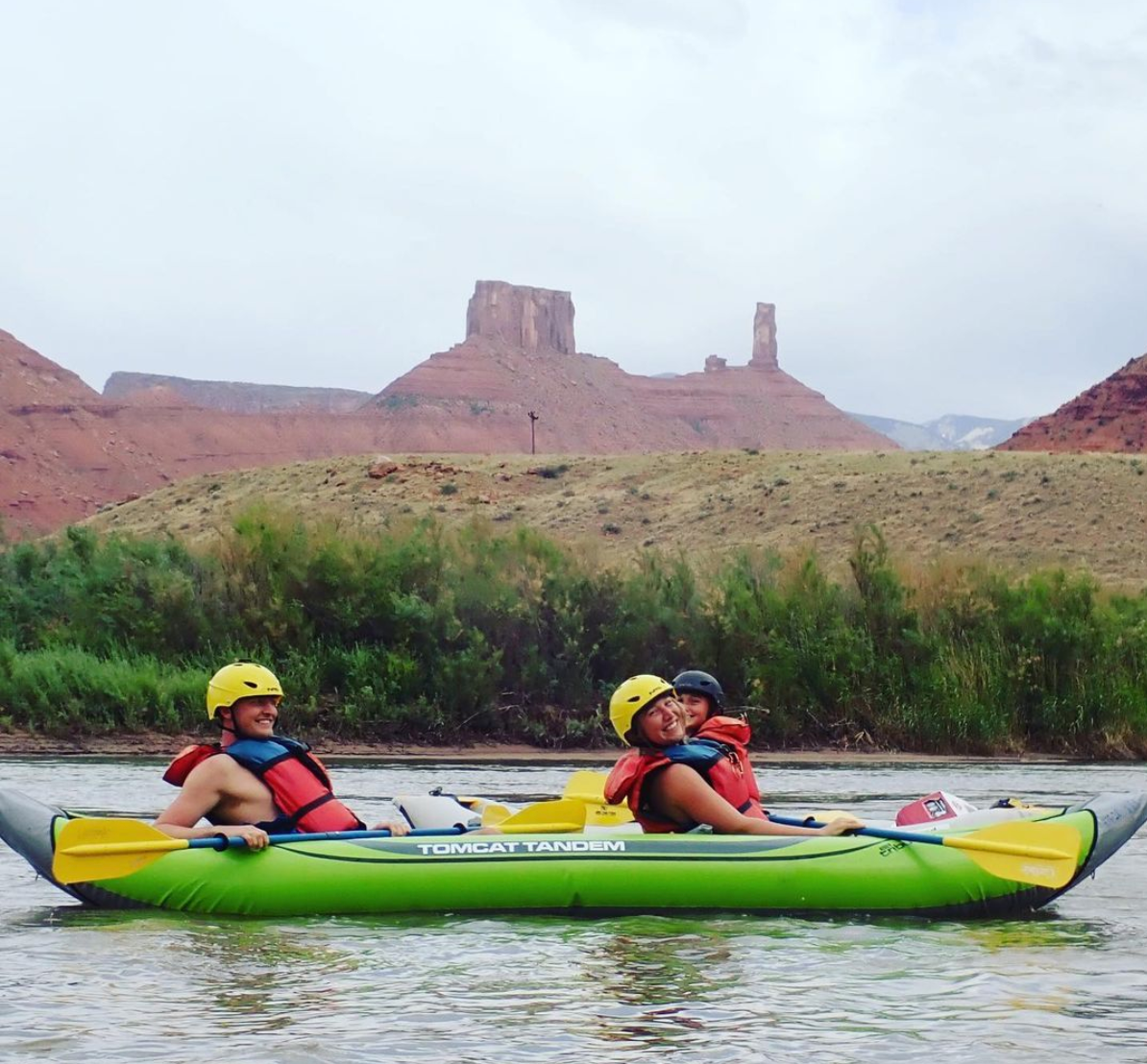
Cisco is a thin ribbon of history and dust on the map — a ghost-town waypoint surrounded by the open, uncanny geometry of Utah’s high desert. For paddlers seeking quiet water, sculpted sandstone walls, and the kind of light that makes every canyon cast a different story, the nearby river stretches and reservoir arms offer an intimate, low-volume kayak experience. Expect long approaches, self-reliance, and the satisfying solitude that comes from paddling a landscape more often studied by geologists and photographers than by crowds.

10
Activities
Spring–Fall (weather dependent)
Best Months

Top Kayak Trips in Cisco

10 trips • Book with confidence • Instant confirmation

Why Cisco Is Noteworthy for Kayaking

Cisco sits at the intersection of scarcity and scale — a ghost town in a wide-open basin where water appears as a prized, linear anomaly. Kayaking here is less about adrenaline and more about contemplation: a slow, observant practice of reading light on slickrock, tracking the call-and-response of canyon walls, and measuring solitude by the number of ripples you make. The paddling opportunities around Cisco are defined by contrasts. On one side, there are narrow, sheltered arms where rock towers close in and wind is tamed; on another, long reservoir expanses and broad river flows that expose you to the full sweep of desert sky. That variety makes this region appealing both for short exploratory floats and for multi-day, minimalist trips that emphasize routefinding, campcraft, and Leave No Trace discipline.

Geology writes itself here. The canyons and buttes that border paddling channels are textbook cliffs of sandstone and shale — layers peeled into alcoves, undercuts, and dramatic vertical faces. That visual theater matters for paddlers because it shapes microclimates: shade lines, wind funnels, and sudden temperature shifts along the water. The human history pressed into the land — a phantom railroad stop, abandoned foundations, and traces of early extraction economies — gives each shoreline a patina of stories. Paddling past those remnants is a reminder that this is a lived landscape with both natural and cultural values.

Practicality governs the experience. Cisco is remote; cell service can be unreliable and services are limited. You’ll likely be carrying all your fuel, food, and water for the duration of your outing, and launch points can be primitive. That remoteness is also part of the appeal: few motorized crowds, wide vistas, and campsites where you can fall asleep to stars unobstructed by light pollution. But solitude demands preparation. Weather can change quickly in the high desert—spring runoff can swell river flows, and summer thermals spawn strong afternoons winds. In short: plan for contingencies, respect water and weather, and treat the region as a backcountry paddling zone rather than a lakeside amenity.

Complementary activities are close at hand. A kayak day can be paired with short hikes into sandstone alcoves, early-morning photography sessions that exploit the east light on canyon walls, or seasonal fishing where permitted. Off-road drives and scenic overlooks provide alternative perspectives on the same geology, and nearby trailheads reward a quick scramble for sunset views. For many paddlers, the best itineraries blend a quiet float with an evening of dirt-road driving and a morning hike — each element amplifying the sense of remoteness and discovery.

Paddling here favors self-sufficient, compact plans. Short day trips are ideal for testing water conditions and access; multi-day excursions require careful shuttle planning and conservative margins for changing river levels or wind.

Because the region is lightly managed, there are few formal amenities. Treat every trip like a small expedition: carry extra water, a navigation plan, and communication devices suitable for low-coverage areas.

Activity focus: Kayak — flatwater, river floats, and reservoir arms
Landscape: high desert canyons, sandstone cliffs, wide skies
Remoteness: limited services and cell coverage; plan for self-sufficiency
Seasonal considerations: spring runoff and fall weather produce the most comfortable paddling windows
Complementary activities: hiking, landscape photography, dispersed camping, fishing where allowed

Best Time to Visit

Best Months

AprilMaySeptemberOctober

Weather Notes

Spring and early fall offer the most comfortable paddling temperatures and stable conditions. Spring runoff can increase flows on nearby rivers and change current patterns; summer brings high heat and strong afternoon winds in exposed reservoirs; winter is cold and can be hazardous with ice and thin camping options.

Peak Season

Late spring (April–May) and early fall (September) are the most popular windows for comfortable paddling and mild weather.

Off-Season Opportunities

Late fall and winter offer solitude and dramatic light but require cold-weather gear and an honest assessment of ice hazards and hypothermia risk.

Frequently Asked Questions

Do I need permits for paddling around Cisco?

Permit requirements vary by waterbody and land management agency. Day paddling on some stretches may not need permits, while specific camping sites, river segments, or reservoir access points could require permits or fees. Check with relevant land and water managers before your trip.

Are launch points and takeouts developed?

Many launch points near Cisco are primitive — dirt roads, informal ramps, and variable shorelines are common. Expect basic conditions and plan vehicles with sufficient clearance for dirt roads; scout approach routes ahead of time.

What skill level is required for kayaking here?

Trips range from beginner-friendly flatwater paddles in sheltered arms to intermediate river floats that require experience with currents, wind, and self-rescue techniques. Choose routes that match your skill level and bring appropriate safety gear.

Choose Your Experience Level

Beginner

Calm reservoir arms and short, protected floats close to launch points. Best on wind-free mornings with companions and basic PFDs.

  • Short morning flatwater paddle in a sheltered arm
  • Photography float to nearby cliff bases
  • Beginner-friendly shore-hopping and natural history observation

Intermediate

Longer day floats, sections with moderate winds and current, and trips requiring basic navigation and wind management. Expect longer carries and shuttle logistics.

  • Half-day reservoir crossing with wind planning
  • Multi-site exploratory float combining coves and canyon inlets
  • Overnight float with dispersed camping onshore

Advanced

River runs with variable flows, technical entrances into narrow canyons, and multi-day routes that demand advanced self-rescue skills, precise weather forecasting, and expedition planning.

  • Extended river float requiring flow-read skills
  • Multi-day remote itinerary with logistical shuttles
  • Windy open-water crossings and exposed canyon entries

Insider Tips & Local Knowledge

Because Cisco is remote and lightly serviced, verify access and conditions before you go; a little advance work dramatically improves safety and enjoyment.

Launch on calm mornings whenever possible — wind can pick up quickly in the afternoon and make exposed crossings difficult or unsafe. Scout approach roads in a high-clearance vehicle or call a local outfitter if you're unsure about road conditions. Pack more water than you think you'll need: desert paddles can be deceptively dehydrating even when you’re on the water. Use a satellite messenger or PLB when venturing beyond reliable cell coverage and tell someone your planned route and expected return. If you plan an overnight, pick durable sites above high-water marks and follow Leave No Trace practices. Lastly, respect private property and active ranching operations — many access roads cross mixed public and private lands, so close gates behind you and avoid disturbing livestock.

What to Bring

Essential

  • Personal flotation device (PFD) properly fitted
  • Dry bags for clothing and electronics
  • At least 1–2 liters of water per person (plus contingency)
  • Sun protection: hat, sunscreen, sunglasses
  • Navigation: paper map and compass or GPS device

Recommended

  • Windproof shell and layered clothing for temperature swings
  • Repair kit, paddle leash, and spare paddle or paddle float
  • Communications device: satellite messenger or PLB for remote areas
  • Lightweight camping kit for unexpected overnighting

Optional

  • Fishing gear if you plan to fish and are compliant with regulations
  • Camera with protective case for canyon light
  • Collapsible water container for resupply

Ready for Your Kayak Adventure?

Browse 10 verified trips in Cisco with instant booking

Explore Top 15 Cisco, Utah Adventures →