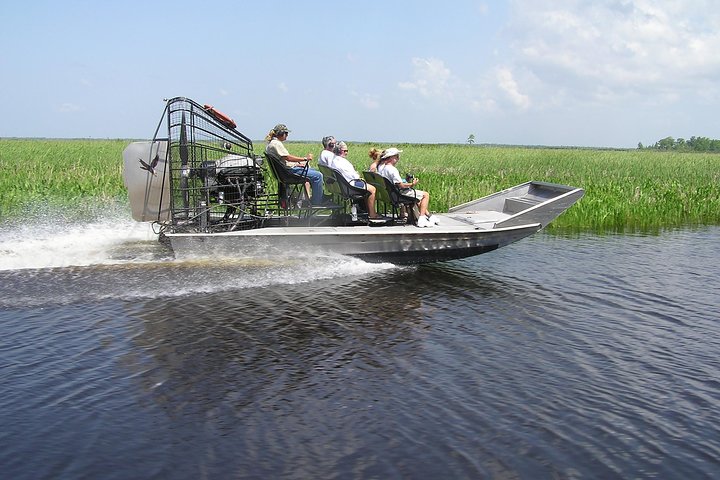
Wildlife in Chalmette, Louisiana
Chalmette sits at the edge of the Mississippi River’s slow slide toward the Gulf, where tidal marshes, bayous, and canals knit together a living laboratory for coastal wildlife. Here, bird flocks form like weather fronts, dolphins slip past fishing skiffs, and marsh grass hides a constellations of small mammals and reptiles. This guide focuses on wildlife-watching opportunities around Chalmette—how to find them, when to expect migration surges, and how to experience the place respectfully and safely, whether you’re on a boardwalk, in a kayak, or aboard a guided swamp boat.
Top Wildlife Trips in Chalmette
16 trips • Book with confidence • Instant confirmation
Why Chalmette Is a Standout Wildlife Destination
The wildlife of Chalmette is a study in edges: where river meets marsh, where freshwater yields to brackish bay, where urban margins bleed into wild tidal flats. That edge-zone creates disproportionate abundance—dense food webs and concentrated movement corridors—so viewing animals here feels intimate and immediate. Mangled oaks and rank marsh grass frame the Mississippi’s gradual surrender to the Gulf, and those habitats support shorebirds and waders by the thousands during migration, resident rails and marsh wrens year-round, and a surprising handful of raptors patrolling levees.
Walk the narrow shoulders along backcountry canals at first light and you will see the place change in the space of a song: flocks of sparrows and warblers dart through low scrub, glossy ibises braid across shallow pools, and great egrets stand like living statues on exposed mudflats. At the water's edge, bottlenose dolphins often play in the same channels used by charter boats; in winter, scoters and other sea ducks sometimes linger offshore while thousands of sandpipers and dowitchers thicken the beaches and spoil banks during migration stopovers. The delta ecology that envelopes Chalmette is young and restless—sediment-laden waters build new marsh in some stretches even as storms and subsidence eat at others—so sightings can shift seasonally, and the best observers learn to read tides and winds as much as maps.
Chalmette’s human history is braided with its natural history, too. The fields and lowlands around the town tell stories of levees, plantations, and the Battle of Chalmette, and that cultural context shapes modern access and stewardship: many of the best wildlife vantage points are modest roadside pullouts, parish-owned levees, or guided boat routes operated by local captains who know tides, birds, and the shortcuts around impassable mud. That mix—accessible roadside watching, small-group boat tours, and opportunities for paddling deeper into the marsh—makes Chalmette welcoming to a broad range of travelers. A morning might begin with coffee and binoculars along a levee looking for migrating raptors, continue with a two-hour guided swamp tour focused on alligators and songbirds, and end with a sunset paddle among wading birds. For photographers and naturalists, Chalmette rewards patience: light and tide conspire to create dramatic silhouettes, and the close quarters of marsh channels often deliver portrait-style animal encounters without long hikes.
Practically, Chalmette is best approached with humility and preparation. The terrain is low and wet, insects can be unrelenting in warm months, and sudden thunderstorms are a hallmark of Gulf-coast weather. But those conditions also create the region’s vitality: rich productivity in the marsh means abundant wildlife year-round. Whether you’re a casual day-tripper based in New Orleans or a dedicated birder chasing migration windows, Chalmette’s wildlife offers a reminder that the most compelling wildernesses often sit just beyond the edges of the urban map.
High tide and low tide change the catalog of species you’ll see: low water exposes mudflats for shorebirds and crabs, while high water concentrates fish and draws foraging herons and egrets into narrow channels. Local guides time trips to tides for the best viewing conditions.
Chalmette is a practical base for combined activities: pair morning birding along parish levees with an afternoon kayak in adjacent bayous, or book a sunset boat trip that combines dolphin watching with lessons on marsh ecology and local fisheries.
Best Time to Visit
Best Months
Weather Notes
Chalmette has a humid subtropical climate: hot, humid summers and mild winters. Spring and fall bring the most comfortable temperatures and coincide with migration pulses. Hurricane season runs June–November, peaking in August–September; check marine and storm forecasts before booking boat or paddling trips. Expect high mosquito activity in late spring through early fall, and afternoon thunderstorms are common in warmer months.
Peak Season
Spring migration (March–May) and fall migration (September–November) are the busiest for birding and guided wildlife tours.
Off-Season Opportunities
Winter provides excellent waterfowl and raptor-watching with fewer bugs, and summer offers quieter access and opportunities for night marsh ecology programs—though heat and insects are factors.
Frequently Asked Questions
Do I need a guide to see wildlife around Chalmette?
No—many good sightings can be made from roadside levees and public access points—but local guides and boat captains dramatically expand access to deeper marsh habitats and improve your chances of seeing dolphins, alligators, and concentrated shorebird flocks. Guides also handle tides and shallow-water navigation.
Are there dangerous animals I should watch for?
Alligators, venomous snakes, and stinging marine life exist in coastal Louisiana. Observe from a distance, avoid wading in unknown waters, and never feed or approach wildlife. Ask guides about species-specific safety on any tour.
Is wildlife viewing family-friendly?
Yes. Short levee walks, roadside birding, and many boat tours are suitable for families. For paddling with children, choose calm-water, guided routes and ensure proper life jacket fit.
Choose Your Experience Level
Beginner
Short, accessible wildlife viewing from levees, roadside pullouts, and public observation areas. Little to no technical skill required.
- Morning birding along levees and canals
- Short roadside stops for wading bird viewing
- Family-friendly guided swamp boat trip
Intermediate
Half-day guided experiences that mix boat-based marsh exploration with targeted birding or dolphin watching; some paddling experience recommended for kayak trips.
- Guided two-hour marsh boat tour focusing on dolphins and herons
- Half-day kayak through connected bayous and backchannels
- Photography-focused sunrise shorebird session
Advanced
Self-supported backcountry paddles, long photography expeditions, or multi-stop birding routes that require tide planning, navigation skills, and fieldcraft in soft-surface marsh conditions.
- Multi-hour paddling loop into remote marsh islands (tide-dependent)
- All-day photography expedition timed to tides and light
- Independent shorebird surveying across mudflats and spoil banks
Insider Tips & Local Knowledge
Tides and timing matter more than distance here—plan around tide charts and work with local captains for the best windows.
Aim for the hour after high tide for concentrated bird activity in channels, and early morning for raptor movement along levees. Talk to local bait shops and charter operators about recent sightings—many of the best places are known by word of mouth and change with sediment and storm events. Respect private property and posted signs; much of the marsh is privately held or seasonally restricted. Bring cloud storage or backup batteries for photos—the light over the delta can produce long shooting sessions. Finally, pack patience: the best encounters often come from sitting quietly on a levee or drifting slowly through a channel rather than rushing from site to site.
What to Bring
Essential
- Binoculars (8–10× recommended) and a compact field guide or app
- Insect repellent (DEET or picaridin-based) and sun protection
- Waterproof or quick-dry footwear and a light rain shell
- Reusable water bottle and snacks
- Phone with offline maps and emergency contacts
Recommended
- Telephoto lens or a zoom camera (200–400mm ideal for bird portraits)
- Compact spotting scope for prolonged shorebird study
- Life jacket for paddling or small-boat trips
- Dry bag for electronics and a wide-brim hat
Optional
- Polarized sunglasses for glare reduction over water
- Lightweight field notebook for species lists
- Small first-aid kit and blister care
- Trekking poles for muddy or uneven levee walks
Ready for Your Wildlife Adventure?
Browse 16 verified trips in Chalmette with instant booking
Explore Top 15 Chalmette, Louisiana Adventures →