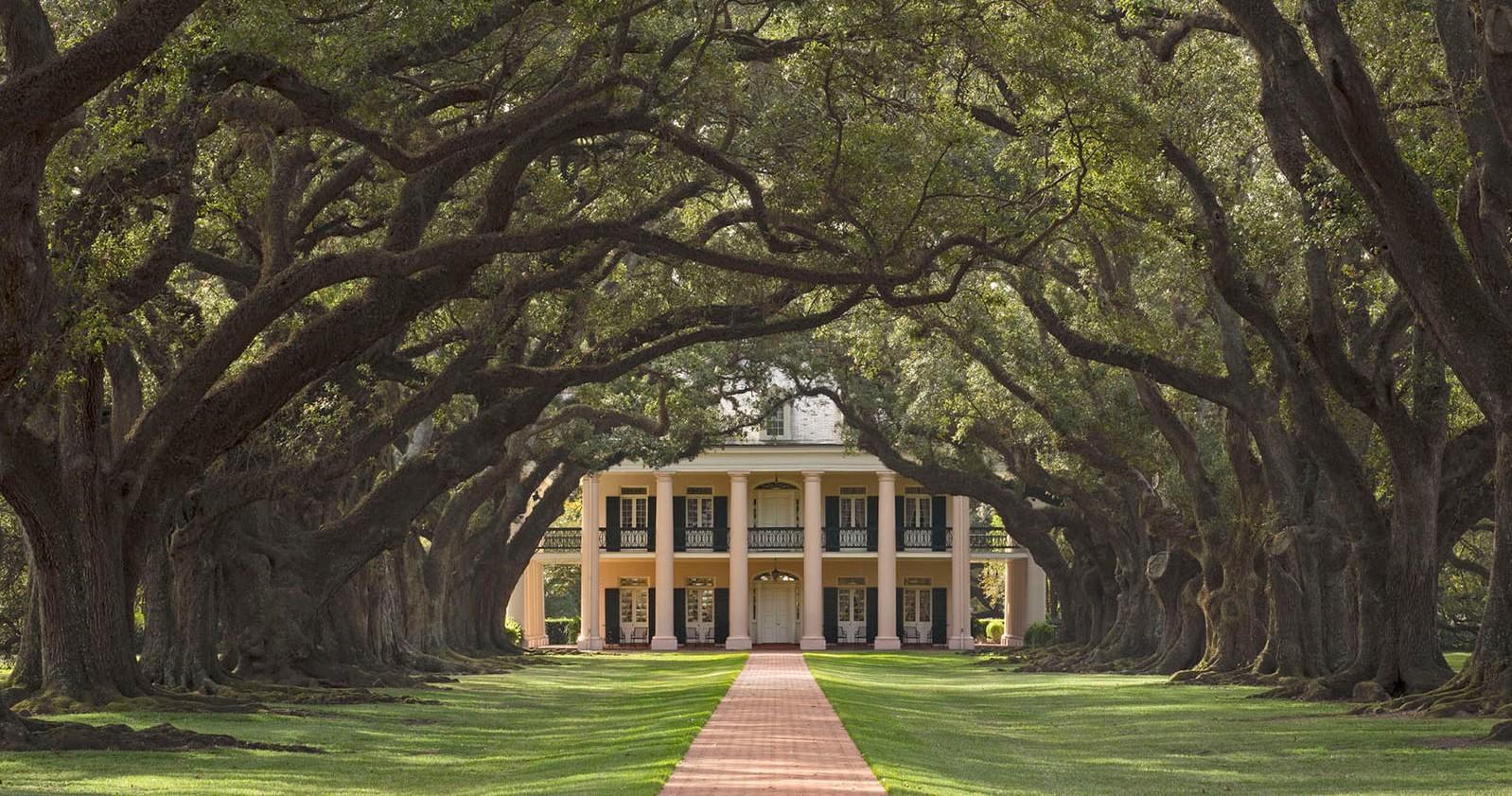
Walking Tours in Chalmette, Louisiana

Chalmette, Louisiana

Chalmette compresses big-sky battleground history, riverfront levee walks, and Gulf Coast wetlands into easy walking circuits. These tours combine measured, contemplative routes across the Battle of New Orleans site with neighborhood strolls through Creole cottages and marsh-edge boardwalks for birding and sunrise light. Expect flat terrain, humid air, deeply layered local stories, and seamless add-ons to New Orleans itineraries.

105
Activities
Year-round (seasonal weather considerations)
Best Months

Top Walking Tour Trips in Chalmette

105 trips • Book with confidence • Instant confirmation

Why Chalmette's Walking Tours Are Special

There are places where the ground seems to hold a story in its seams; Chalmette is one of them. On a walking tour here, history does not sit politely in a single museum room — it unfurls across flat, wind-swept fields, along river levees, and beneath live oaks dripping with Spanish moss. The most immediate draw is the Chalmette Battlefield, the open plain where the Battle of New Orleans was fought in 1815. A guided or self-guided walk here feels cinematic: cannon-scarred earth, interpretive markers set against wide sky, and the small, steady pulse of life returning to fields once held for conflict. Yet Chalmette’s appeal isn't only commemorative. The town pulses with Creole and Cajun influences, modest shotgun houses and neighborhood churches that reward a slower pace. Walks through residential blocks reveal local architecture, stoop conversations, and the scent of slow-cooked food — practical cultural immersion you won’t get from a car window.

Beyond built heritage, Chalmette sits on the edge of marsh and river systems that define southern Louisiana. Walking tours that reach the levee afford a different set of textures: curving waterlines, shrimp boats on the horizon, and the carved tangles of salt marsh where shorebirds stage and pelicans loaf. Sunrise on the levee is a special hour — the light flattens the landscape in tones of pewter and gold, and you can hear marsh frogs and distant machinery. Practical accessibility is part of what makes Chalmette inviting: most popular routes are flat and short, making them suitable for families and travelers who prefer low-impact exploration. That said, the environment requires respect. Summer heat and humidity press on walkers; hurricanes and seasonal storms shape marsh channels and occasionally close boardwalks. Local guides supplement walking routes with stories about levee construction, ongoing coastal restoration efforts, and the intertwined histories of Native people, European colonists, and enslaved and free Black communities.

For a traveler planning time here, Chalmette is often paired with a New Orleans itinerary: take a morning walking tour of the battlefield and then cross into Crescent City for an afternoon of food and music. There are route combinations that lean civic and contemplative — cemetery and battlefield walks that trace loss and resilience — and routes that prioritize ecology: marshboardwalks, birding detours, and sunset levee walks. Because the terrain is generous and flat, walking distances can expand naturally: a short interpretive loop at the park, or a longer shoreline amble that’s easily dialed up to a guided half-day exploration. Whether you're a history buff, a birdwatcher, someone curious about coastal processes, or a traveler craving neighborhoods beyond the tourist core, Chalmette's walking tours deliver quiet richness. They reward slow observation, a willingness to listen to local voices, and an understanding that these are living landscapes still shaping—and being shaped by—people and policy.

Walking tours in Chalmette are accessible and adaptable. Terrain is predominantly flat — fields, paved park paths, neighborhood sidewalks, and short elevated boardwalks through marshy spots. That makes the town ideal for casual walkers, seniors, and families, provided they plan for heat and sun protection seasonally.

The best tours balance historical interpretation with environmental context. Guides frequently link the 1815 battle to later land-use changes, levee construction, and the modern challenges of coastal erosion and hurricane recovery, which helps visitors understand why these modest-sounding walks feel urgent and relevant.

Activity focus: Interpretive & neighborhood walking tours
Number of matching adventures: 105 (guided, self-guided, themed)
Typical tour length: 0.5–3 miles (short loops to extended shoreline walks)
Terrain: flat fields, paved paths, sidewalks, short boardwalks
Accessibility: many routes are wheelchair- or stroller-friendly; check individual tour notes for boardwalk sections

Best Time to Visit

Best Months

OctoberNovemberMarchApril

Weather Notes

Fall and spring offer the most comfortable daytime temperatures and lower humidity. Summers are hot and humid with frequent afternoon thunderstorms; winter is mild but can be cool and damp. Hurricane season (June–November) can bring closures or route changes.

Peak Season

Autumn (October–November) hosts the most pleasant walking weather and higher visitation, though Chalmette remains less crowded than New Orleans.

Off-Season Opportunities

Winter weekdays provide calm, quieter tours and crisp levee light. Early summer mornings offer good bird activity before temperatures peak, but expect heat and insects.

Frequently Asked Questions

Are Chalmette walking tours suitable for families and seniors?

Yes. Most popular routes are flat, short, and suitable for families and older visitors. Check specific tour descriptions for boardwalks or uneven grass sections. Bring sun protection and water.

Do I need a guide or can I self-tour?

Both options work well. Self-guided routes are simple to follow at the battlefield and levee. Guided tours add local context, oral histories, and access to lesser-known neighborhood stories.

How do walking tours connect to New Orleans itineraries?

Chalmette is a short drive from New Orleans; many visitors pair a morning walking tour in Chalmette with an afternoon or evening in the city. Allow time for traffic and for savoring local food after a tour.

Choose Your Experience Level

Beginner

Short, flat interpretive loops and neighborhood strolls under 1.5 miles. Low elevation change and straightforward surfaces.

  • Chalmette Battlefield interpretive loop
  • Historic downtown Chalmette neighborhood walk
  • Short levee viewpoint walk at sunrise

Intermediate

Longer self-guided or guided tours up to 3 miles that combine battlefield routes with marshboardwalk detours and riverside stretches.

  • Battlefield plus levee and marshboardwalk circuit
  • Guided cultural walk focusing on Creole architecture and local food stops
  • Half-day birding walk combining marsh edges and neighborhood parks

Advanced

Extended explorations that require planning for heat, transport, and potentially uneven soft-ground sections. Often combine multiple sites or multi-hour interpretive experiences.

  • Full shoreline walk linking multiple access points and observation blinds
  • Back-to-back historic and ecological tours with local expert guide
  • Self-led multi-stop route integrating Chalmette and adjacent riverfront neighborhoods

Insider Tips & Local Knowledge

Confirm hours for museums and visitor centers; check weather and local advisories, especially during hurricane season.

Start walks early in warm months to avoid midday heat and take advantage of bird activity. If you want to hear local oral histories, book a guided tour or visit the Jean Lafitte National Historical Park visitor center where rangers and volunteers provide context not always visible from markers. Bring insect repellent for marsh sections and be ready for quick weather changes—afternoon storms are common in summer. For photography, aim for sunrise on the levee or late-afternoon light across the battlefield; the low light flattens shadows and brings out textural details of the grass and river. Pair a walking tour with local food: nearby po’boys, seafood spots, and small family eateries provide an authentic meal after a reflective walk. Be mindful of private property signs in residential neighborhoods and stay on designated paths and boardwalks to protect fragile marsh vegetation.

What to Bring

Essential

  • Light, breathable layers and sun-protective clothing
  • Water bottle (carry enough for humid conditions)
  • Wide-brim hat and sunscreen
  • Comfortable walking shoes with good breathability
  • Phone with offline map or directions

Recommended

  • Light rain shell during summer storm season
  • Insect repellent for marsh-edge sections
  • Compact binoculars for birding and marsh observation
  • Cash or card for local museums and casual food vendors
  • Portable battery pack

Optional

  • Field notebook for sketching or notes
  • Camera with zoom for wildlife and battlefield detail
  • Foldable stool or sitting pad for interpretive stops

Ready for Your Walking Tour Adventure?

Browse 105 verified trips in Chalmette with instant booking

Explore Top 15 Chalmette, Louisiana Adventures →