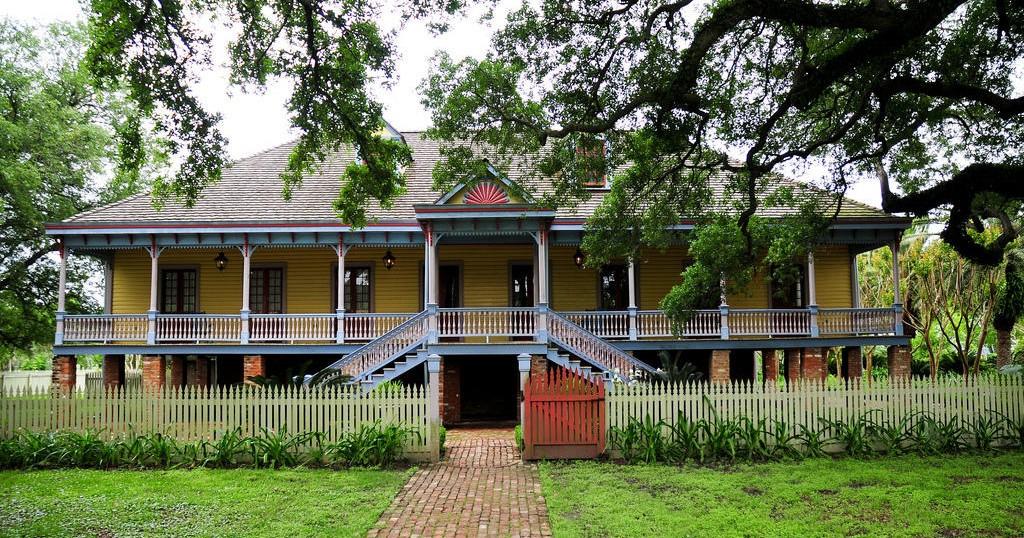
City Tours in Chalmette, Louisiana: History, Riverfront Culture & Local Routes

Chalmette, Louisiana

Chalmette condenses layers of Gulf Coast history, Creole and Cajun culture, and river-bound industry into walkable blocks and short drives. City tours here emphasize living memory—battlefields and cemeteries, neighborhood food joints, and the levee that both protects and defines the town. Whether you choose a guided battlefield walk, a self-guided food crawl, or a bike loop that skirts marshy edges, Chalmette’s city tours pair history with outdoor atmosphere: flat terrain, open skies, and the constant presence of the Mississippi.

137
Activities
Year-Round
Best Months

Top City Tour Trips in Chalmette

137 trips • Book with confidence • Instant confirmation

Why Chalmette Is a Standout for City Tours

Chalmette sits at a confluence of story and landscape: the flat parish plain, the sweep of the Mississippi, and a small-town grid punctuated by memorials and seafood shacks. City tours here are less about neon-lined downtown streets and more about a living landscape that tells the story of New Orleans’ eastern flank—of the Battle of New Orleans, of plantation-era trade routes, of the long labor of flood control and wetland loss, and of neighborhoods rebuilt after Hurricane Katrina. A Chalmette city tour places you at the intersection of human history and Gulf Coast ecology. You'll move from interpretive markers on the battlefield to a levee-top walk where the river’s scale becomes a lesson in logistics and survival; from a century-old burial ground to a modern parish parade ground where community life gathers.

Because the terrain is largely flat and compact, Chalmette is ideal for highly focused, short-form tours that reward curiosity. A two- or three-hour outing can combine a guided battlefield history walk, a stop at Chalmette National Cemetery, and a lunch of fried seafood from a local po'boy counter. Longer itineraries layer in bike loops along back roads, a visit to nearby wetlands for birding or swamp kayaking, and stops at small museums or community halls where locals recount stories that don't appear in guidebooks. The best tours are those that mix interpretive history with sensory experience: the briny tang of the air near the river, the hum of horned frogs in summer marsh edges, the clink of collected change as you buy a beignet and a coffee.

Chalmette’s cultural texture is approachable: guides tend to be parish residents or regional historians who speak plainly and personally about what happened here and why it matters now. Tour accessibility varies—many sites are paved or on hard-packed levee walkways, but some neighborhood stops and marsh-edge vantage points require short walks over gravel or grass. Seasonality matters: mild fall, winter, and spring days are perfect for daylight walking tours; summer brings heat, humidity, and more mosquitoes, but it also brings seafood harvests and festival life. Above all, Chalmette city tours are practical and human-focused. They ask you to slow down, look at small markers and large horizons, and leave with a clearer sense of how a small river town threads into a regional story about resilience, labor, and reconnection to place.

Chalmette’s compact geography makes it possible to layer walking, short drives, and bike segments into a single half-day itinerary—ideal for travelers paired with a New Orleans stay.

The town’s principal draw for city tours is historical: the Chalmette Battlefield and nearby interpretive exhibits anchor most narratives, but culinary stops and riverfront walks give tours contemporary texture.

Tours connect easily with adjacent outdoor activities—swamp kayaking, birdwatching in nearby marshes, and levee biking—so visitors can combine a cultural city tour with nature-focused excursions.

Activity focus: History & cultural city tours with outdoor elements
Terrain: predominantly flat—paved streets, levee paths, some gravel or grass approaches
Ideal tour length: 2–4 hours for a focused visit; full-day combinations possible with biking or swamp trips
Accessibility: Many sites are wheelchair-accessible; check specific stop notes for gravel approaches
Seasonal note: Fall–spring is most comfortable; summer is hot and humid with more insects

Best Time to Visit

Best Months

OctoberNovemberMarchApril

Weather Notes

Autumn and spring offer the most comfortable temperatures and lower humidity; winter is mild and workable for tours. Summers are hot, humid, and bring afternoon thunderstorms; hurricane season (June–November) can create disruptions.

Peak Season

Late fall through early spring—coincides with cooler weather and regional festival calendars.

Off-Season Opportunities

Summer offers quieter streets, lower tour prices, and peak seafood availability, but expect heat, mosquitoes, and possible weather delays.

Frequently Asked Questions

How long is a typical Chalmette city tour?

Most focused tours run 2–4 hours; fuller itineraries that add biking, wetlands, or museum visits can be half or full days.

Are guided tours offered year-round?

Many local guides operate year-round, but schedules can thin during late summer or hurricane season. Book ahead for weekends and festival dates.

Is Chalmette easy to reach from New Orleans?

Yes—Chalmette is a short drive from New Orleans across the Intracoastal/Industrial Canal and is commonly paired as a day trip; public transit options are more limited, so driving or a guided transfer is easiest.

Choose Your Experience Level

Beginner

Short, low-effort walking tours focused on the battlefield, cemetery, and river viewpoints suitable for casual travelers and families.

  • Guided Chalmette Battlefield walk
  • Self-guided historical markers loop
  • Levee-top riverwatch and interpretive stop

Intermediate

Longer mixed-mode routes that combine walking, short drives, and a couple of unpaved or gravel approaches—good for active sightseers.

  • Half-day bike-and-history loop
  • Guided culinary crawl with neighborhood history
  • Battlefield plus marsh-edge birding stop

Advanced

Full-day itineraries that pair a deep historical focus with outdoor excursions—extended bike routes, swamp paddles, or photography-focused marsh visits.

  • Full-day battlefield history and swamp kayak combo
  • Extended levee and backroad bike tour with multiple stops
  • Photographic tour of river infrastructure and marshes

Insider Tips & Local Knowledge

Check weather and local event calendars, and respect memorial and cemetery etiquette during visits.

Start tours in the morning to avoid midday heat and to catch quieter moments at the battlefield. If you’re combining Chalmette with New Orleans, allow time for traffic across river bridges, and consider guided transfers if you don’t want to drive. Local eateries close at variable hours—confirm openings ahead of time, especially for weekend or holiday travel. Summer visitors should carry insect repellent and water; spring and fall are excellent for birding along marsh edges. Photographers will appreciate levee-top vantage points at golden hour, but be mindful of private property and designated viewing areas. Lastly, local guides often fold in oral history and family stories that aren’t on plaques—book a parish-based guide for deeper context and a more personal experience.

What to Bring

Essential

  • Light rain jacket and sun protection (hat, sunscreen)
  • Reusable water bottle (hydration is important in Gulf Coast heat)
  • Comfortable walking shoes suitable for paved and firm-packed surfaces
  • Photo ID and any reservation confirmations for guided tours

Recommended

  • Light, breathable layers for variable humidity
  • Insect repellent for summer and marsh-adjacent stops
  • Compact binoculars for river and marsh birding
  • Cash for small vendors and tips

Optional

  • Portable phone battery pack (limited outlets on longer loops)
  • Small folding umbrella for sudden storms
  • Field notebook for jotting historical notes or local names

Ready for Your City Tour Adventure?

Browse 137 verified trips in Chalmette with instant booking

Explore Top 15 Chalmette, Louisiana Adventures →