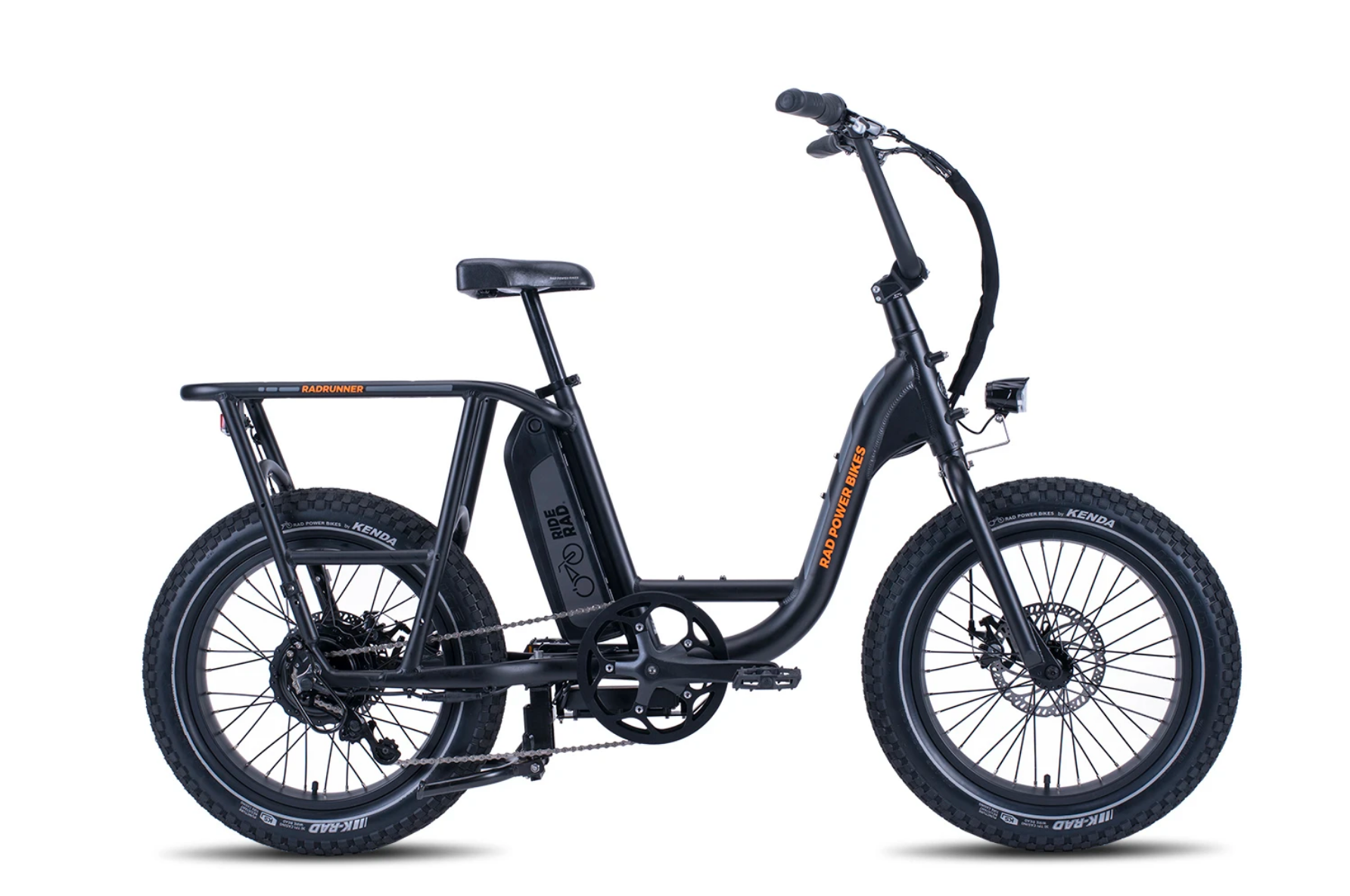
Why Castro Valley Is a Standout E‑Bike Destination
Tucked between the low, oak‑dotted ridgelines of the East Bay and the wide, marshy flats that meet the Bay, Castro Valley occupies a middle ground that suits the e‑bike ethos: compact, varied, and effortlessly connected. Ride a Class 1 e‑bike from a small neighborhood cafe and, within minutes, find yourself on a shaded canalway path that hums with the same low energy that made this valley a transportation corridor for generations. The valley’s human history—ranching families, gravel roads, and Ohlone winter villages—has left a patchwork of lanes and access points that now work in favor of riders seeking short, rewarding loops or longer linkups to adjacent parklands.
What makes Castro Valley especially appealing for electric assist is the balance between gentle, social rides and immediate access to steeper, more remote terrain. The gentle grades of Alameda Creek’s floodplain and the paved multi‑use paths through Don Castro offer safe spaces for new e‑bike riders to build confidence—wider shoulders, predictable surfaces, and plenty of places to stop. Five minutes farther and you can be grinding a loose gravel service road that climbs through canyon oak and poison oak to reach quiet ridge vistas. E‑bikes collapse the tradeoff between energy and distance: riders who might have avoided a long ascent on a traditional bike can now stitch together longer outings that cross habitats and neighborhoods without a car shuttle.
There’s also an ecological and civic rhythm here that informs how people ride. Local park stewards and communities are actively maintaining riparian corridors and small reservoirs, and that means good access points but also rules—some trails and preserves limit motorized use and have specific classes of e‑bikes allowed. The practical upshot for travelers is to plan around park signage, check East Bay Regional Park District policies before you roll, and treat the valley’s quieter lanes with a steward’s eye: pick up trash, stay on designated surfaces, and be mindful of wildlife and nesting seasons.
For the day rider, Castro Valley is a versatile base: nab a morning espresso, warm up on paved creekside paths, explore a canyon loop on mixed surface singletrack, and finish with a Bay shoreline cruise a short drive away. For the touring rider, Castro Valley is a node in a larger East Bay network—you can link to Hayward Shoreline, the Bay Trail, and regional park climbs for a day that alternates tidal marsh and summits. And for families and newcomers, the valley’s short connector rides and calm park loops make e‑biking a genuinely inclusive way to experience the Bay Area outdoors without the logistics of a long mountain approach.
In short, Castro Valley makes e‑biking feel like practical travel: quick to start, variable in intensity, and richly connected to both natural landscapes and everyday life.
Compact network: short on-drive times between varied terrain—paved floodplain paths, gravel canyon climbs, and singletrack connectors—make Castro Valley efficient for half-day and full-day e‑bike outings.
Accessible progression: beginner-friendly, family rides at Don Castro evolve easily into intermediate gravel climbs in Cull Canyon, letting riders calibrate distance and effort with electric assist.
The harbor is the gateway, and the Pacific becomes the classroom.
Wildlife and stewardship: creeks and reservoirs host riparian habitats; follow park rules and e‑bike class restrictions to minimize impact.
Choose by purpose
Whale watching, snorkeling, sunset sailing, cultural canoeing, harbor sightseeing, or private chartering.
Start near the city
Waikiki and Honolulu Harbor are primary hubs, with some trips launching near Hanauma Bay.
Confirm the vessel
Gangways, shaded seating, and boarding requirements vary according to vessel size and operator.