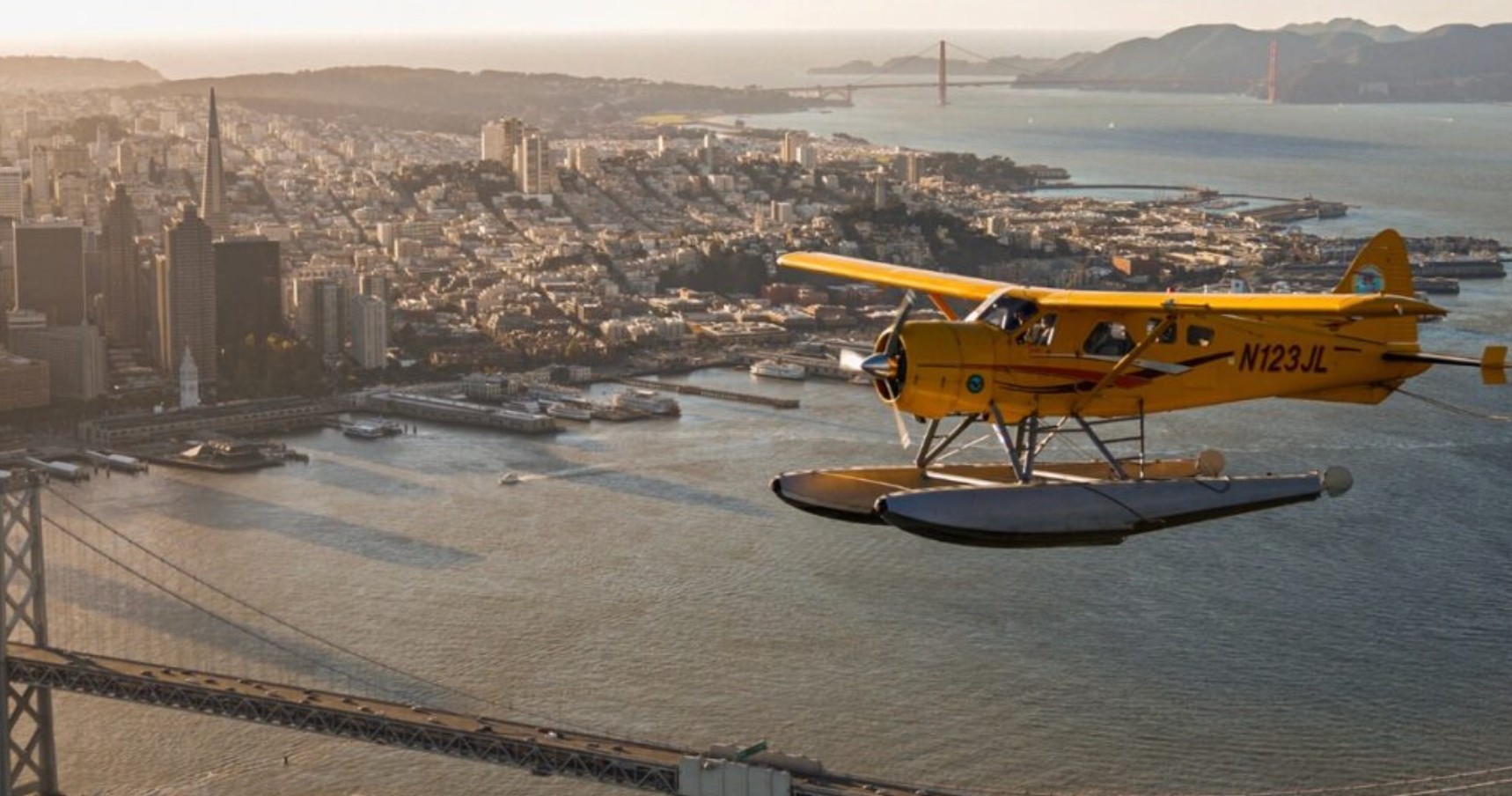
There is a moment, thirty seconds after wheels leave the ground and the familiar grid of streets becomes an abstract, tessellated pattern, when the Bay Area sheds its everyday ordinariness and becomes a study in edges. From the air, Castro Valley sits at a hinge: the suburban fabric of the valley gives way to the rolling ridges of the Diablo Range, and the long sweep toward the Bay clarifies in a single, clean arc. Watching that hinge from a small airplane reframes travel here. The hills that feel long on foot read as a serrated skyline; the salt ponds and highways stitch together the human imprint; the cityscapes fold into wetlands and open water in a way ground travel never quite reveals.
Aerial flights around Castro Valley are more than sightseeing. They are lessons in geography, weather, and the seasonal rhythms of Northern California. Morning marine layers can blanket much of the Bay, then burn off to reveal a crystalline afternoon; gully-driven thermals over sunlit ridgelines make for lively lift; the patchwork of urban and open lands shows how ecosystems and development coexist at a glance. Pilots and flight instructors often point out features that are invisible from the road—subtle drainage patterns, wildfire scars, and vantage points where bike trails and ridge lines intersect. For photographers, these flights deliver graphic compositions: long shadows in the late afternoon, geometric salt ponds, and the graceful sweep of bridges and causeways.
Practically, airplane experiences around Castro Valley are accessible to a wide range of travelers. Short scenic tours and “discovery flights” (introductory lessons where a certified instructor shares the controls) are built for curious beginners. More committed visitors can pursue flight training, aerial photography charters, or coordinate custom sight-seeing routes that include the coastline, the Golden Gate, and inland valleys. Weather and visibility are the defining variables: clear, stable days are ideal; on coastal overcast days flights may be delayed or routed lower. The overall experience is cumulative—pair a morning flight with a hillside hike, a lunch at a scenic picnic, and a late-afternoon drive along a ridge road to extend the view you just had from the sky. That combination—eye-level exploration and aerial perspective—captures the Bay Area’s layered topography in a way that lingers long after the touchdown.
Flights range from short 20–30 minute scenic hops to multi-leg charters; many are flown from nearby general aviation fields and can be tailored to focus on the Bay, the coast, or inland ranges.
Visibility, winds, and the marine layer shape the window for optimal flying. Late-summer and early-fall often provide the clearest aerial views, while winter storms and frontal systems bring cancellations but dramatic cloudscapes for those who can fly.
Choose by purpose
Whale watching, snorkeling, sunset sailing, cultural canoeing, harbor sightseeing, or private chartering.
Start near the city
Waikiki and Honolulu Harbor are primary hubs, with some trips launching near Hanauma Bay.
Confirm the vessel
Gangways, shaded seating, and boarding requirements vary according to vessel size and operator.