Top 5 Photography Tours in Castle Rock, Colorado

Castle Rock, Colorado

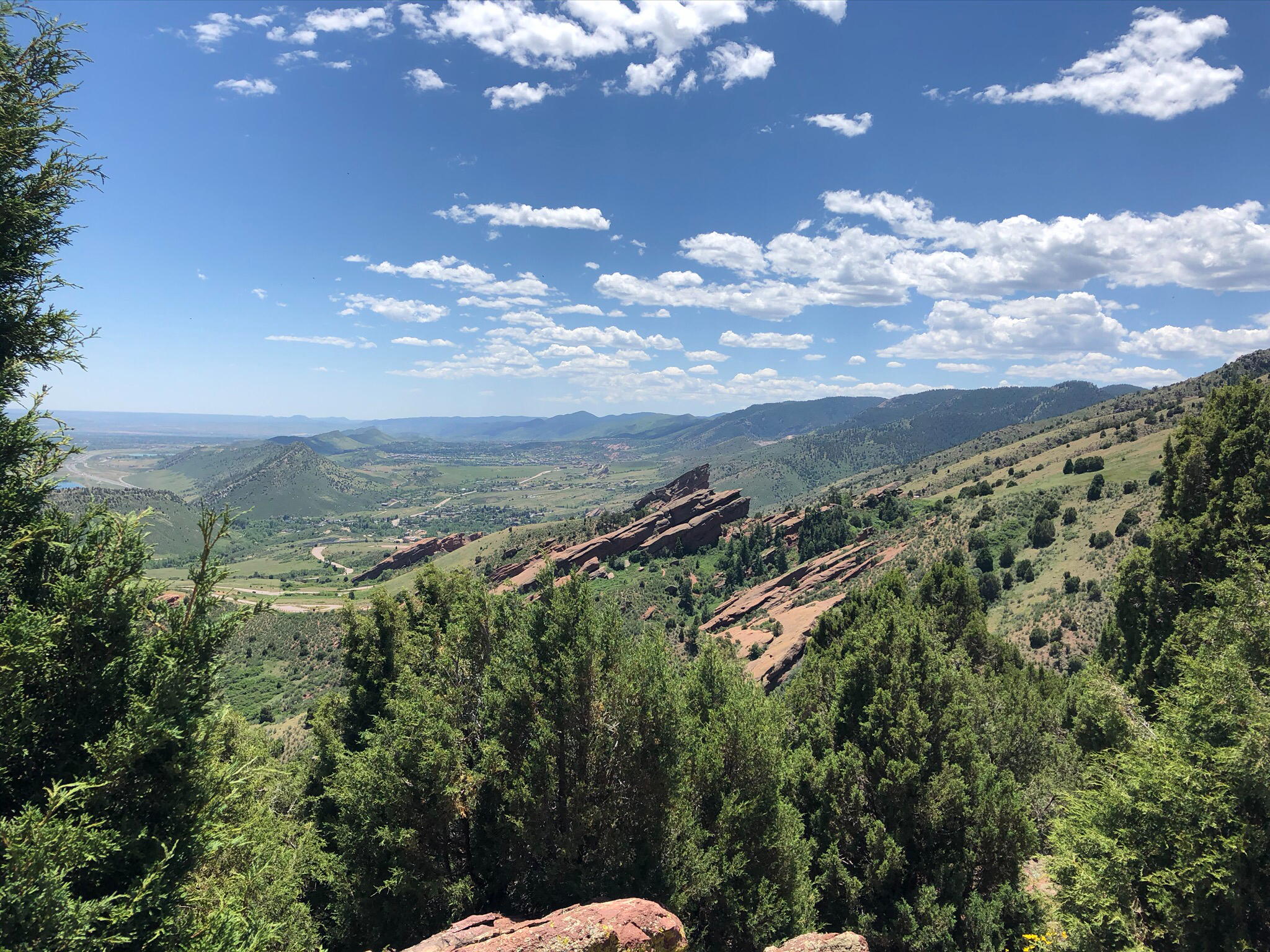
Castle Rock’s low, sculpted stone outcrops, open prairie skies, and an intimate downtown create an ideal short-trip canvas for focused photography tours. Whether you're chasing golden-hour light on rocky silhouettes, sandwiched between a stand of pines and a cobalt sky, or composing intimate nature portraits among seasonal wildflowers, Castle Rock compresses a surprising amount of variety into short drives and accessible trails.

5
Activities
Best spring through fall for landscapes; winter nightscapes and snow scenes possible
Best Months

Top Photography Tour Trips in Castle Rock

5 trips • Book with confidence • Instant confirmation

Why Castle Rock Is a Compelling Place for Photography Tours

Castle Rock is an invitation to look closely. The town’s namesake formations—rocky outcrops and ridgelines that punctuate open grasslands—create bold silhouettes against broad Colorado skies. For photographers, that means uncomplicated compositions: a jagged profile at dawn, a lone juniper backlit at dusk, or the sprawling pattern of a suburban edge meeting the prairie. The scale here is human: you can reach dramatic foregrounds with a ten-minute walk, then move to a different light quality within a half-hour drive. That accessibility makes Castle Rock a superb training ground for photographers refining composition, exposure, and the discipline of working light.

Beyond single-frame vistas, Castle Rock offers layers of variety across microclimates and terrain. Low-elevation ridgelines catch early light and are often drier and wind-swept; sheltered pockets between rocks capture softer, more atmospheric scenes when storms pass. Seasonal shifts rewrite the palette—spring brings a riot of field flowers and migrating birds, summer delivers long golden hours and expansive sunsets, fall tightens contrast and texture with grasses gone bronze, and clear winter nights reward patient shooters with crisp, star-rich skies. The town’s proximity to the Front Range corridor means you can combine a focused half-day photography tour with longer outings—astronomy workshops, birding sessions, or landscape hikes—without sacrificing travel time.

Culturally, Castle Rock blends small-town charm and outdoor stewardship. Local open-space managers and volunteer groups maintain trail networks and viewpoints that make purposeful photography possible without hard scrambling. Small-business guides and instructors cater to a range of skill levels, from smartphone composition clinics to extended DSLR workshops that cover landscape panoramas and nightscape techniques. Because tours are typically short and localized, you’ll find options that emphasize technical skill-building—bracketing, focus-stacking, and long exposures—alongside softer goals like developing a visual voice and learning responsible field practices that protect the places you photograph.

For travelers planning a photography trip, Castle Rock’s strengths are practicality and focus. You won’t need days of travel to reach productive light; you’ll trade long approaches for more frames, more practice, and a better chance to iterate on ideas. The town’s accessible terrain makes it equally inviting for mixed groups—couples, families, and small workshop cohorts—so it’s a natural choice for photographers who want concentrated learning and memorable images without the logistical stretch of remote alpine expeditions.

Scale and proximity: multiple distinct shooting environments within short drives—rock outcrops, ridgelines, open prairie, and a photogenic downtown.

Seasonal variety: spring wildflowers and migration, long summer golden hours, and stark winter light and starfields.

Accessible learning: short hikes and well-maintained trails let photographers concentrate on craft rather than route-finding.

Activity focus: Photography Tours (landscape, nature, nightscape, and townscape)
Proximity: short drive from the Denver metro area—good for half-day or full-day tours
Terrain: low ridgelines, rock outcrops, short trails—mostly non-technical
Accessibility: many viewpoints reachable with short walks; some uneven footing near outcrops
Complementary activities: birding, short hikes, stargazing workshops, and downtown architecture walks

Best Time to Visit

Best Months

AprilMayJuneSeptemberOctober

Weather Notes

Castle Rock has four distinct seasons. Spring and fall offer comfortable temperatures and dramatic light; summer brings long days and occasional afternoon thunderstorms; winter offers clear skies and crisp air but can be cold. Afternoon storms in warmer months develop rapidly—plan early starts for landscape light and check forecasts.

Peak Season

Spring wildflower blooms and fall color draw more visitors on weekends; golden-hour windows are busiest at popular viewpoints.

Off-Season Opportunities

Winter provides quieter trails and excellent night-sky conditions on clear nights; fewer crowds make it easier to organize focused workshops and experimental shoots.

Frequently Asked Questions

Do I need permits to photograph in Castle Rock open spaces?

For personal, non-commercial photography most public trails and overlooks do not require permits. Commercial shoots or larger organized productions commonly require permits—check with local park and open-space authorities before planning paid or branded sessions.

Are photography tours suitable for beginners?

Yes. Many local guides offer beginner-friendly tours that cover composition, exposure, and camera basics while keeping hikes short and terrain simple.

Can I shoot astrophotography here?

Yes—clear nights away from downtown light make star photography possible. Plan around moon phase, bring warm layers, and use a stable tripod and remote shutter. Verify local lighting and safety considerations.

Are drones allowed for photography?

Drone regulations vary by location and are often restricted in parks, near people, and around town centers. Always check FAA rules and local ordinances before flying and obtain any required permissions.

How do I handle parking and timing for sunrise/sunset shoots?

Arrive early to secure parking at popular trailheads, especially on weekends and during peak seasons. For sunrise, expect cooler temperatures—dress in layers and bring a headlamp for the approach.

Choose Your Experience Level

Beginner

Short, accessible walks with emphasis on composition and basic exposure techniques. Ideal for smartphone users and entry-level cameras.

  • Sunrise viewpoint shoot on a short trail
  • Downtown light-and-architecture photo walk
  • Introductory workshop on composition and color

Intermediate

Longer sessions that introduce filters, bracketing for HDR, and basic nightscape methods. Expect moderate walking and some uneven terrain.

  • Golden-hour ridge tour with filter use
  • Wildflower and detail-focused field session
  • Twilight panorama and exposure-blending workshop

Advanced

Technical tours focused on astro-landscapes, long-exposure water motion (where present), and multi-frame stitching. Participants should be comfortable with gear and variable conditions.

  • Nightscape and Milky Way compositing session
  • Advanced exposure-bracketing and focus-stacking workshop
  • Guided multi-location photo expedition for portfolio work

Insider Tips & Local Knowledge

Respect trails and posted closures; always check weather and open-space notices before heading out.

Aim for the hour before sunrise and the hour after sunset—Castle Rock’s low horizons reward patient shooters with long, soft light. Scout locations in daylight first so you know the safe routes and best compositions when you return in low light. If you’re joining a guided tour, ask whether the group practices Leave No Trace photography—good guides will emphasize staying on durable surfaces and avoiding trampling vegetation. Keep an eye on afternoon weather in summer; quick storms can change visibility and light but also create dramatic cloudscapes if you have shelter or plan to shoot from a car. For night work, check the moon phase and arrive early to settle in; a wide-aperture lens and careful foreground selection will strengthen starfield compositions. Finally, consider pairing a short photography tour with nearby activities—an early-morning birding walk or an evening downtown shoot after a local meal—to round out the trip without extra driving.

What to Bring

Essential

  • Camera (mirrorless, DSLR, or smartphone) and at least one spare battery
  • Tripod for low-light, long exposure, and night photography
  • Wide-angle and mid-telephoto lenses for landscapes and details
  • Water, snacks, and sun protection (hat, sunscreen)
  • Sturdy shoes with good traction for short uneven approaches

Recommended

  • Polarizing and neutral-density filters for managing reflections and bright skies
  • Lens-cleaning kit and microfiber cloth
  • Remote shutter release or intervalometer for long exposures
  • Headlamp with red-light mode for night shoots
  • Extra memory cards and a small backup drive or smartphone for offloading

Optional

  • Light rain shell—storms can arrive quickly in summer
  • Portable reflector for guided portrait or small-group shoots
  • Compact stool or lightweight seat for long-sit compositions
  • Drone (check local regulations and no-fly zones)

Ready for Your Photography Tour Adventure?

Browse 5 verified trips in Castle Rock with instant booking

Explore Top 15 Castle Rock, Colorado Adventures →