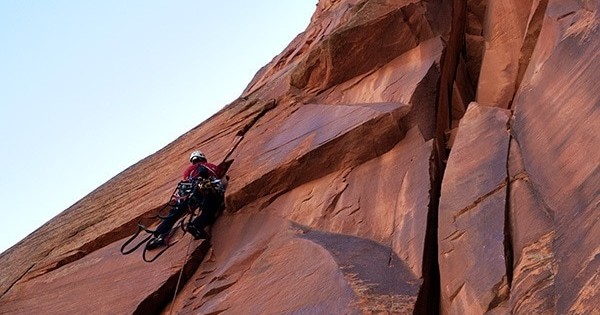
Top 10 Climbing Adventures in Casco, Maine
Casco’s climbing scene is a quiet ledger of granite edges, glacial-smoothed boulders and shoreline crags set against pine-scented forests and the mirror of Sebago Lake. It’s not a destination of mega-walls and crowds, but for climbers who prize varied short routes, bouldering fields, mixed woodlands approaches, and easy access from Portland, Casco offers a compact, lake‑framed climbing playground. Expect short approaches, technical finger cracks, slabby friction, and a season that pivots around spring bloom and crisp-fall weather.
Top Climbing Trips in Casco
10 trips • Book with confidence • Instant confirmation
Why Casco Is a Standout Climbing Destination
Casco sits at a crossroads where glacial geology meets inland water: a landscape of low ridgelines, exposed granite ledges and scattered erratics that tell a slow-acting, patient story. For climbers this means short, concentrated experiences—crags that can be read in a few pitches, hidden boulder gardens tucked into pine groves, and lake-adjacent walls that shine in golden morning light. The rock itself is typically Maine granite: compact, sometimes slabby, often featuring clean edges and technical friction moves rather than long, sustained hand jams. On a good day you’ll find sequences that reward footwork and body position as much as raw strength.
Culturally, Casco is a soft-edged climbing locale. It’s a place you come for a day trip, a weekend of mixed pursuits, or to pair a morning of laps with an afternoon on the water. The region’s climbing ethos is pragmatic and local—routes are modest, approaches are short, and access is frequently negotiated across a patchwork of public shoreline, state park boundaries, and privately held parcels. That translates to an experience that favors low-impact travel and respect for land stewardship: leave no trace, heed parking instructions, and plan to share quiet access points with hikers, anglers and paddlers. The climbing seasons here mirror Maine’s broader outdoor calendar: spring and fall bring the best friction, summer offers early mornings and shaded crags but can be humid, and winter commonly closes the books for most rock climbing, pushing training indoors or toward specialized winter disciplines.
For travelers, Casco’s strength is versatility. Climbers who also kayak, mountain bike, fish or hike will find easy ways to build a balanced trip—paddle the lake between sessions, scope out shoreline boulder problems at golden hour, or mix an easy summit hike with a cragside belay. The area rewards a low-key, focused approach: pick a cluster of problems, read the rock, and plan for changing conditions—wet granite is unforgiving. Whether you’re a visiting climber looking for pleasant single‑pitch sport and trad practice, a boulderer hunting good landings near the water, or a local pairing cragging with camping and a post-climb swim, Casco folds climbing into the slower rhythms of Maine’s lakes region.
The variety here is subtle: short sport lines, top-rope friendly faces, and accessible boulders are all within a short drive of lakeside towns. Climbs rarely demand multi-day logistics, which makes Casco ideal for quick skill-building sessions where you can repeat problems and focus on technique.
Because Casco’s climbing is woven into a lakeside landscape, trips naturally become mixed-adventure days—paddle before the sun burns off friction, cool off after a hot session, and use nearby trails or service roads for warmups and approaches.
Best Time to Visit
Best Months
Weather Notes
Late spring and early fall offer the most reliable friction and comfortable climbing temperatures. Summers are warm and can be humid; early mornings are best for shade-exposed slabs. Winter typically limits rock climbing—temperatures and freeze-thaw cycles make many routes unsafe.
Peak Season
Late spring and early fall weekends when rock conditions and lake weather align.
Off-Season Opportunities
Winter sees reduced outdoor climbing; many locals train at indoor gyms or focus on bouldering sessions during warm spells. Off-season trips can yield solitude but require flexibility and awareness of variable conditions.
Frequently Asked Questions
Do I need permits to climb in Casco?
Permitting requirements vary by specific site and landowner. Many popular access points are on public land or long-standing access agreements, but some crags border private property. Always confirm parking rules and access with local land managers before you climb.
Are there climbing guides or outfitters nearby?
There are regional guiding services based in the Lakes Region and nearby Portland that offer instructional outings and guided crag days. If you prefer a coached session, book in advance—local guides can provide beta, gear, and partner instruction.
Is Casco suitable for beginner climbers?
Yes. The area features top-rope and short sport routes and boulder problems that are well suited for beginners. However, outdoor climbing requires basic rope skills and anchor knowledge; consider hiring an instructor or attending an introductory clinic if new to outdoor systems.
Choose Your Experience Level
Beginner
Short, well-protected routes, top-rope friendly faces and accessible boulder problems with simple approaches—good for learning belay systems and building confidence on outdoor rock.
- Top-rope laps at shaded crags
- Introductory bouldering sessions with pads and spotters
- Guided beginner clinics focusing on safety and technique
Intermediate
Longer single-pitch sport or trad lines, more technical slab and face climbs requiring precise footwork and route-reading. Expect short approaches and varied rock textures.
- Sport-route laps with lead practice
- Multi-problem bouldering circuits
- Short trad climbs with single-position placements
Advanced
Technical challenges focused on thin face climbs, sustained slab sequences and advanced bouldering problems; routefinding and refined footwork are essential. Advanced climbers often combine cragging with link-ups and lake recovery sessions.
- Projecting hard boulder problems at low-angle fields
- Lead sessions on technical slab routes
- Mixing trad leads with sport anchors where available
Insider Tips & Local Knowledge
Confirm access and parking, check recent local beta for route conditions, and be mindful of private property and nesting seasons.
Start early in summer to take advantage of cooler rock and quieter parking. Granite in this region is slick when damp—avoid climbing on wet rock and give recently rained-on faces time to dry. Ticks and black flies are a consideration in spring and early summer; use repellent and check for ticks after approaches. Combine climbing with a paddle or swim to make the most of the lakeside setting, but store food securely and follow leave-no-trace principles near shorelines. If you plan to explore less-frequented crags, carry a reliable topo or offline map and be prepared for minimal infrastructure—limited parking, few marked trails, and variable cell service. Finally, talk to local climbers when possible: they’ll share up-to-date beta on parking, seasonal closures, and the best boulder fields for current conditions.
What to Bring
Essential
- Climbing shoes with good toe sensitivity
- Harness, belay device and locking carabiner
- Helmet (recommended for all outdoor climbing)
- Appropriate rope for single-pitch routes (60m or 70m depending on route length)
- Chalk and chalk bag
Recommended
- Quickdraws and a small trad rack (if exploring mixed lines)
- Guide notes or topo photos saved offline
- Sun protection and a breathable mid-layer for wind off the lake
- Small first-aid kit and tape for fingercare
- Bug spray for spring/early summer approaches
Optional
- Crash pad for bouldering areas
- Lightweight approach shoes or trail runners
- Dry bag for wet-weather gear if you plan to paddle
- Camera for shoreline golden hour shots
Ready for Your Climbing Adventure?
Browse 10 verified trips in Casco with instant booking
Explore Top 15 Casco, Maine Adventures →