1

Top 9 Climbing Adventures in Canyonlands, Utah

Canyonlands, Utah

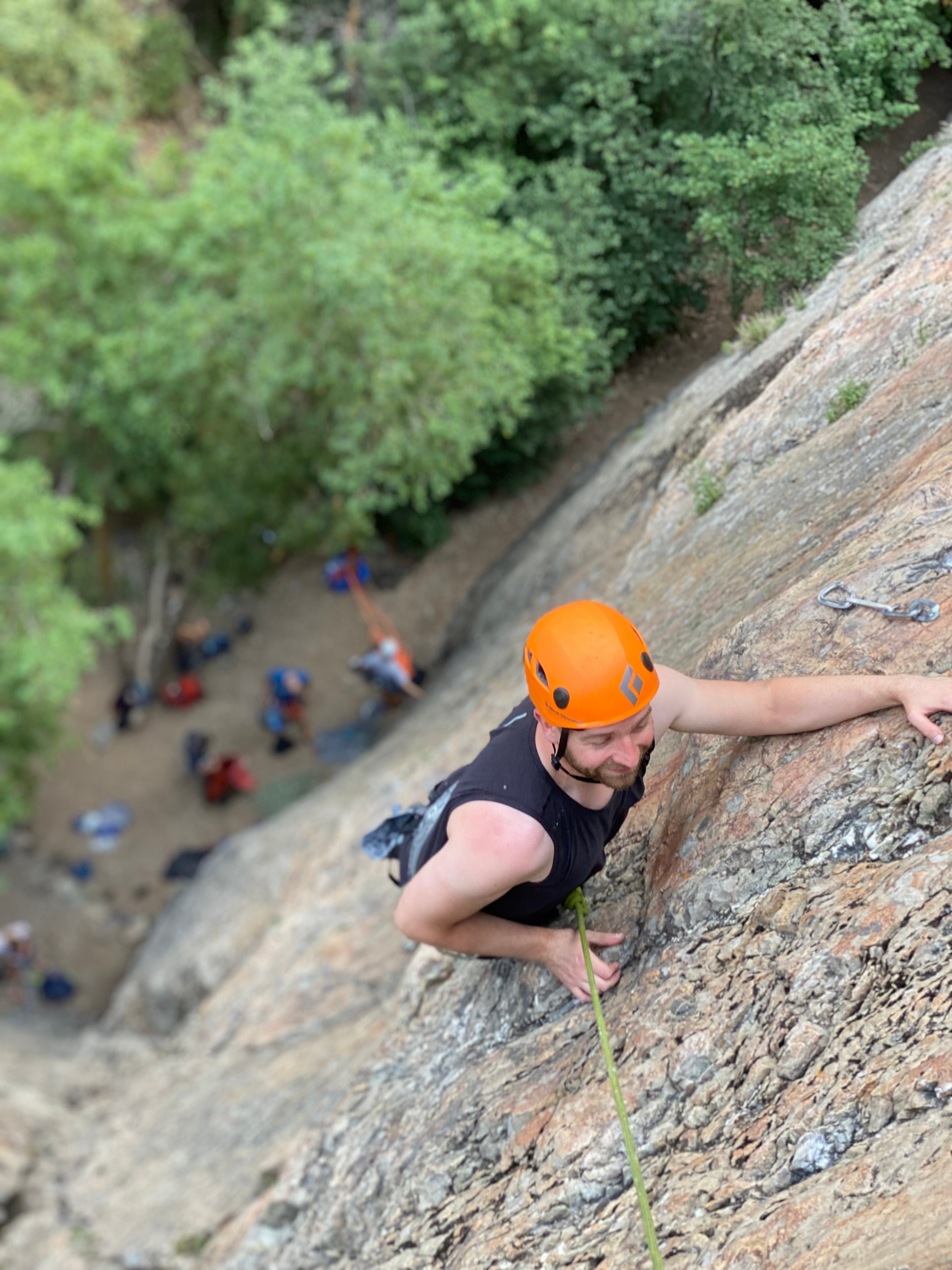
Canyonlands is a desert climbing crucible—steep sandstone faces, delicate cracks, and freestanding towers carved by eons of wind and water. This guide focuses on climbing: technical trad crack lines, exposed multi-pitch routes, and the desert approach ethic that defines the region.

9
Activities
Spring & Fall Peak
Best Months

Top Climbing Trips in Canyonlands

9 trips • Book with confidence • Instant confirmation

Why Canyonlands Is a Standout Climbing Destination

There’s an elemental quality to climbing in Canyonlands that arrives before the first pitch: a ribbed horizon of mesas and fins, a dry wind that carries sand like a subtle punctuation, and sandstone so textured it reads like a memory of water. The region’s geology—primarily Navajo and Wingate sandstones interbedded with softer layers—produces crack systems and faces that reward precise footwork, patient protection placement, and a particular kind of desert savvy. Climbs here aren’t just vertical movements; they are conversations with the rock, where each cam placement and each solution to a runout moves feels like an act of stewardship.

Beyond the technical welcome, Canyonlands offers variety. Indian Creek is world-renowned for splitter cracks that test traditional rack-building and sustained hand jams; the Needles present complex, often wandering multi-pitch routes across sandstone towers and spires; and the Island in the Sky and peripheral walls host shorter sport and trad lines—excellent for top-roping, skill-building, and sunrise sessions. Approaches can be short and sweet or desert-length affairs requiring navigation across slickrock, washes, and faint boot paths. The isolation is part of the draw: many classic lines demand self-reliance, route-finding and respect for the fragile desert surface.

This region also invites a broader palette of experiences. Climbers often combine sessions with canyoneering trips through Narrows and slots, mountain bike laps on Slickrock Trail, or desert hikes to cultural sites and panoramic overlooks. Seasonal constraints shape plans: spring and fall offer the most comfortable temperatures and stable weather; summer afternoon storms and winter freezes change rock friction and add objective hazards. Conservation and ethics are ever-present—sandstone heals slowly, so cleaning, over-bolting, and leaving gear in place has lasting consequences. The most memorable days here balance ambition with restraint, pairing bold movement on rock with meticulous attention to anchors, natural protection, and the landscape’s fragile character.

The climbing spectrum here runs from single-pitch crack classics to committing multi-pitch spires—suitable for skilled trad teams and adventurous beginners under guidance.

Seasonality is stark: milder temperatures and lower insect activity in spring and fall make those months the busiest and most pleasant for long climbing days.

Access ranges from roadside pullouts and short approaches to cross-country navigation across slickrock; route condition and approach logistics are integral to trip planning.

Primary focus: Traditional crack climbing and desert multi-pitch routes
Famous micro-region: Indian Creek for splitter cracks
Best seasons: March–May and September–November
Approaches vary from <30 minutes to multi-hour desert traverses
Sandstone is soft—climbing ethics and minimal-impact practices are essential

Best Time to Visit

Best Months

MarchAprilMaySeptemberOctoberNovember

Weather Notes

Spring and fall bring the most stable and comfortable climbing weather. Summers can exceed 95°F (35°C) with intense solar exposure; late afternoons may produce brief thunderstorms. Winters are cold at night and can produce icy patches on shaded slickrock.

Peak Season

Spring (March–May) and fall (September–October) are the busiest windows for climbing activity.

Off-Season Opportunities

Winter offers solitude and clear light but may require cold-weather layers and attention to icy approaches. Summer mornings and very early starts can work for short, shady routes.

Frequently Asked Questions

Do I need permits to climb here?

Day climbing at many crags commonly occurs without special permits, but regulations can change—especially for overnight backcountry or when accessing routes via wilderness areas. Always check land manager websites (NPS, BLM) for current rules and any seasonal closures.

Is there cell service and rescue coverage?

Cell coverage is intermittent across Canyonlands; expect limited reception in remote areas. Self-rescue skills and a plan for emergencies are essential. Consider a satellite communicator for longer or more remote objectives.

Can beginners climb here?

Yes—there are accessible single-pitch, lower-consequence routes suitable for guided instruction and top-rope practice. For trad-specific skills (placing cams, building anchors, rappelling), book a guide or partner with an experienced climber.

Choose Your Experience Level

Beginner

Introductory single-pitch crack and face routes with short approaches, ideal for learning basics and building confidence in sandstone conditions.

  • Top-rope practice on bolted single-pitch walls
  • Short slab and face routes with moderate protection
  • Guided introduction to desert trad techniques

Intermediate

Multi-pitch trad climbs, sustained crack systems, and longer approaches requiring solid rack management and efficient movement.

  • Linking multi-pitch trad routes in the Needles
  • Half-day sessions on splitter lines in Indian Creek
  • Route-finding across slickrock approaches

Advanced

Committing big-wall style efforts on remote towers, long linked routes with complex protection, and self-supported desert objectives demanding advanced anchor and rappel skills.

  • Full-day ascents of freestanding towers and spires
  • Long trad pitches with sparse protection and runouts
  • Combining canyoneering and climbing in remote sections

Insider Tips & Local Knowledge

Respect fragile sandstone, plan water carefully, and verify access before you go.

Start climbs early to avoid peak sun and reduce heat-related risk. Sandstone heals slowly—minimize chipping, avoid fixed gear left in cracks when possible, and favor passive protection over hammering. Keep a dedicated approach kit (lightweight shoes, gaiters, water) and plan for navigation across slickrock where trails fade. Check seasonal raptor nesting closures and cultural site protections; some cliff faces and approaches may be closed during breeding seasons or due to sensitivity. Bring redundant anchor materials and practice building equalized, bomber systems—rescue resources are distant and response times can be long. Finally, pair climbing days with lower-impact activities nearby—short hikes to overlooks, river float trips, or a sunset drive—to balance exertion with the region’s expansive silence.

What to Bring

Essential

  • Climbing helmet, harness, and climbing shoes
  • Complete trad rack (cams, nuts) sized for finger-to-hand cracks
  • 12–60 m dynamic rope (bring two if doing multi-pitch or linking)
  • Personal anchor system and multiple slings/cordelette
  • 3+ liters of water and UV sun protection

Recommended

  • Guidebook or GPS route notes and topo prints
  • Extra slings and quickdraws for protection redundancy
  • Lightweight bivy or emergency shelter for unplanned nights
  • Sun hat, high-SPF sunscreen, and lip protection
  • Mechanical or friction device suitable for multi-pitch rappel

Optional

  • Approach shoes or sticky-soled sandals for river crossings
  • Small filter or purification tablets for extended outings
  • Camera with telephoto lens for recording line approaches
  • Portable battery pack for device navigation

Ready for Your Climbing Adventure?

Browse 9 verified trips in Canyonlands with instant booking

Explore Top 15 Canyonlands, Utah Adventures →