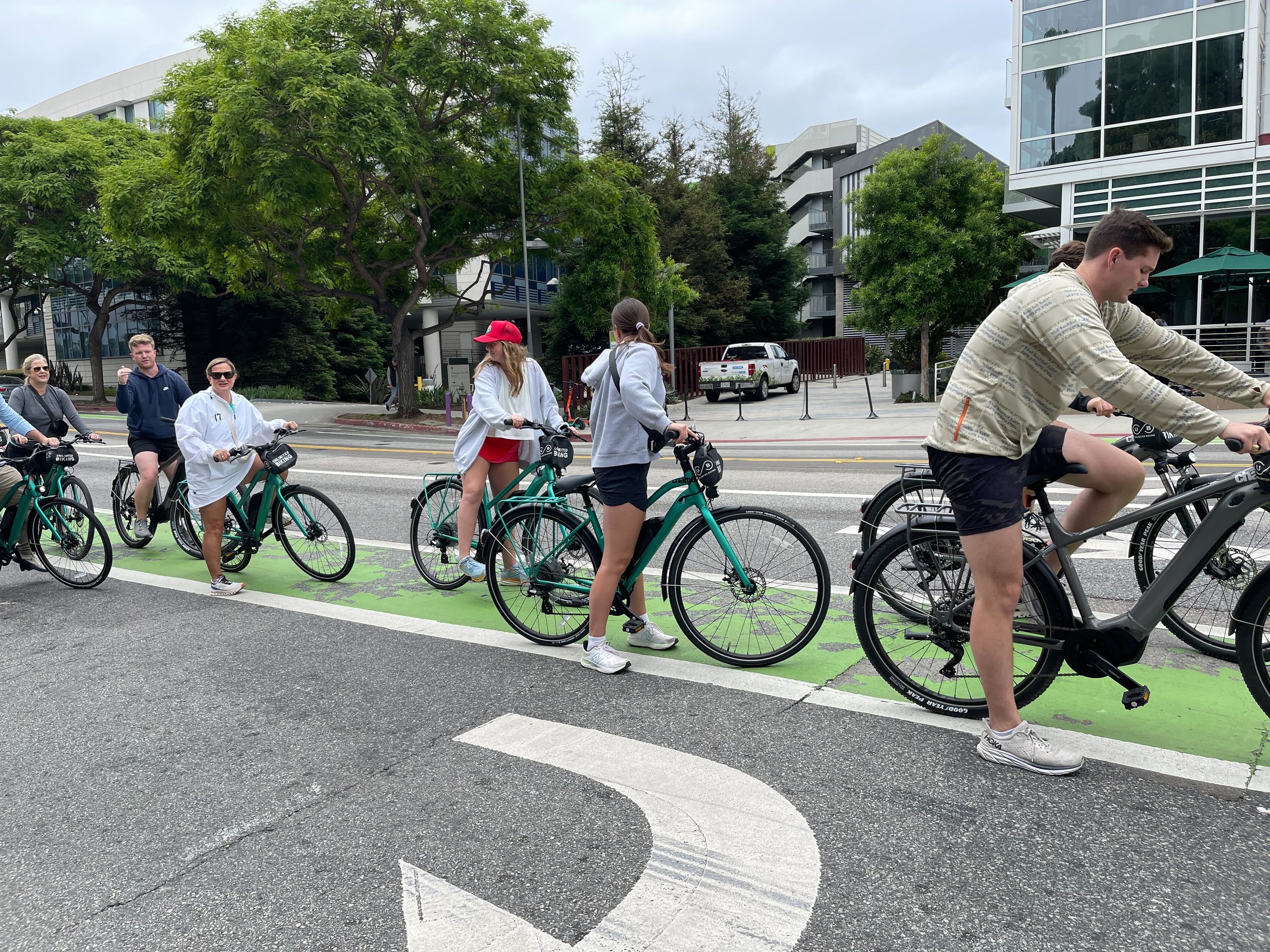
E-Bike Guide: Canoga Park, California
Canoga Park is the kind of suburban Los Angeles neighborhood that rewards curiosity: from quiet residential streets and canal-side bike paths to the scrubby foothills that rise into the Santa Susana range. E-bikes flatten the friction between city riding, canyon gravel, and short singletrack—letting riders stitch together a morning coffee stop, a climb with views, and a fast descent home in a single loop. This guide focuses on where to ride, how to plan for battery and legal constraints, and how to combine urban cycling with nearby canyon escapes.
Top E-Bike Trips in Canoga Park
18 trips • Book with confidence • Instant confirmation
Why Canoga Park Works for E‑Biking
Canoga Park sits at a crossroads: suburban streets give way to canal paths and then to the low, chaparral-coated ridges of the Santa Susana Mountains. For pedal-assist riders this geography translates into immediate variety—safe, social rides on smooth pavement; steady gravel climbs that feel doable on an e-motor; and accessible singletrack edges where short technical sections are balanced by battery-powered boosts. The neighborhood’s human scale matters too. Coffee shops, small parks, and bike-friendly streets let you plan rides that are modular—half-hour warmups, two-hour canyon loops, or all-day fromage-and-view circuits. That flexibility is the central reason e-bikes have become a practical tool here: they reduce the penalty of transport, extend range without erasing effort, and open up hybrid itineraries that would feel forced on a conventional road bike.
Beyond terrain, Canoga Park is a jumping-off point. Head west and you hit the more rugged spine of the Santa Susanas; south and you can connect to continuous valley greenways and the wider Los Angeles cycling network. The area’s climate—mild winters, warm dry summers, and a strong marine influence on breathable spring and fall days—makes for a long riding season. At the same time, local constraints shape the experience: legal access and signage vary between paved paths, gravel roads, and singletrack; battery management and responsible charging etiquette are not optional for longer outings; and heat, wind, and brushfire seasons all influence route choice. Good planning turns those variables into options. With a little preparation, Canoga Park becomes a place to sample Los Angeles’s layered landscape in compact, gratifying loops rather than committing to full-day drives.
E-bikes expand access: longer climbs and mixed-terrain connectors that once required a car are now doable as point-to-point rides.
Neighborhood infrastructure—bike lanes, canal paths, and bike-friendly cafes—pairs well with trail access in adjacent canyons.
Terrain variety: paved valley flats, compacted gravel service roads, and short technical singletrack exist within short ride distances.
Seasonality matters: spring and fall deliver the most comfortable full-day rides; summer mornings work if you avoid midday heat.
Best Time to Visit
Best Months
Weather Notes
Spring and fall offer the most comfortable full-ride temperatures and lower wildfire smoke risk; summer mornings ride best before heat builds and afternoon winds pick up. Winter is mild but can be wet—unpaved surfaces get slick after rain.
Peak Season
Spring weekends draw the highest local visitation, particularly for canyon access and ridge overlooks.
Off-Season Opportunities
Winter weekdays can provide solitude and clear views after storms, though check for mud and temporary trail closures.
Frequently Asked Questions
Are e-bikes allowed on all trails near Canoga Park?
Access varies. Paved greenways and many fire roads are typically fine for Class 1 and Class 2 e-bikes, but some singletrack and natural surface trails restrict motorized use. Confirm local land manager rules—city bike paths, county parks, and state park policies can differ.
Can I rent an e-bike in Canoga Park?
There are rental and delivery options in the San Fernando Valley and greater Los Angeles. Availability changes frequently; check local bike shops and rental platforms for current models, pricing, and whether they support gravel or light trail use.
How do I manage battery on longer loops?
Start with a full charge, plan conservative power use uphill, and factor in the return leg. If you plan multi-hour rides, identify cafes or public spaces that allow charging, or carry a portable charger compatible with your bike. Avoid relying on 100% throttle; pedal assistance extends range significantly.
Choose Your Experience Level
Beginner
Short, low-traffic paved routes and flat canal-side rides that introduce riders to assisted pedaling and local streets.
- Canal-path social loop with coffee stops
- Short neighborhood exploration rides connecting parks and bike lanes
- Flat valley greenway out-and-back to nearby retail hubs
Intermediate
Mixed-surface loops that combine paved connectors with gravel service roads and moderate climbs—ideal for riders comfortable with occasional loose terrain.
- Gravel climb into a Santa Susana foothill viewpoint
- Point-to-point canyon connectors using valley greenways and fire roads
- Longer urban-to-canyon loop with a café turnaround
Advanced
Longer distance rides that connect multiple canyons, include steeper climbs, or rely on technical singletrack where permitted—best for riders who balance battery strategy and mechanical preparedness.
- All-day valley-to-ridge traverse combining paved arterials and extended gravel ascents
- Multi-canyon route linking to larger regional trail networks
- High-effort loops requiring conservative power management and route knowledge
Insider Tips & Local Knowledge
Respect local trail rules, manage your battery like a resource, and plan for heat and variable trail surfaces.
Treat battery planning like fuel. Use lower assist modes on flats and gentle climbs, then reserve higher assist for steep bursts or technical sections. Learn where chargers or friendly cafés are along your route—many local businesses will let riders plug in while refueling. On mixed routes, choose tires with puncture resistance and a bit of tread; slick road tires will frustrate you on gravel and loose singletrack. Keep an eye on signage—what’s permitted on one service road may be restricted a mile away. Park legally near trailheads, lock your bike, and carry identification and basic repair tools. Finally, engage with local shops and riding groups—Valley riders often know the seasonally best lines, informal alternate routes, and temporary access notes that aren’t on maps.
What to Bring
Essential
- Helmet (required in Los Angeles and essential for safety)
- Charged e-bike battery and a plan for mid-ride charging or conservative use
- Trail-capable tires (or hybrid tires) and a compact puncture repair kit
- A reliable lock for stops and café visits
- Phone with offline maps and emergency contacts
Recommended
- Spare tube or patch kit, mini-pump or CO2 inflator
- Portable battery pack and e-bike charger (or know local charging points)
- Layered clothing for windy valley mornings and hotter canyon afternoons
- Sunglasses and sunscreen for exposed ridgeline segments
Optional
- Gloves with light padding for longer rides
- Small first-aid kit and a basic multi-tool
- Frame bag or handlebar pack for snacks and camera
- Binoculars for birdwatching on quieter ridge sections
Ready for Your E-Bike Adventure?
Browse 18 verified trips in Canoga Park with instant booking
Explore Top 15 Canoga Park, California Adventures →