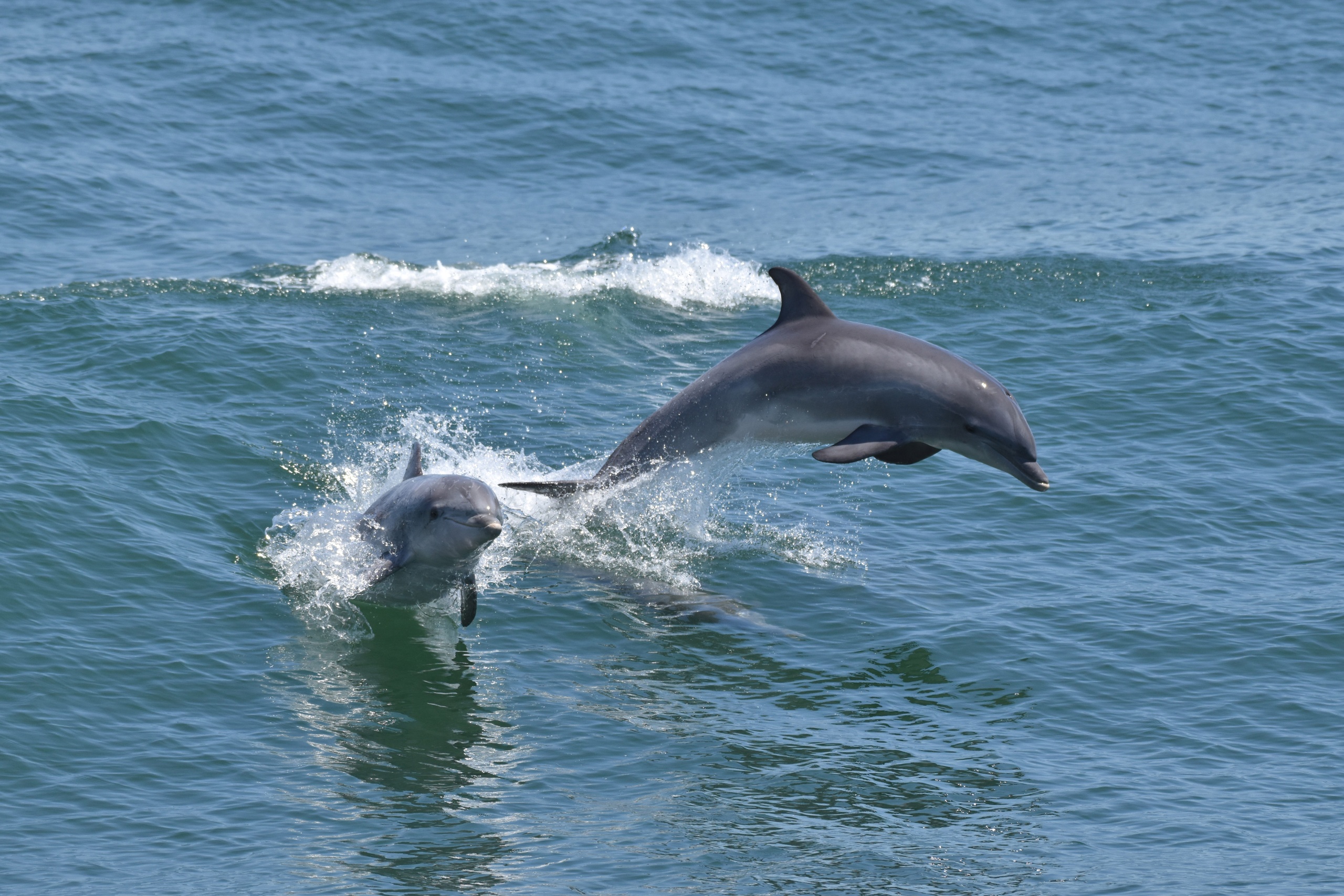
On an early summer morning, the flat glass of the Delaware Bay becomes a stage. Light slides across low-lying salt marshes, and the long, rhythmic exhalations of bottlenose dolphins—occasional black arcs and the tentative spray of breath—announce themselves like a percussion section. Seeing dolphins near Camden is less about one dramatic encounter and more about a series of small, exact moments: young calves arcing beside their mothers, a bow wave that unravels into a line of fins, a pod that moves like a single organism through brackish water. The region’s mixture of shallow bays, tidal creeks, and nearshore Atlantic habitats creates a mosaic of feeding grounds where dolphins follow schools of fish and forage along channel edges.
For travelers based in Camden, dolphin watching is a purposeful excursion into a coastal ecosystem that changes with the tide. You’ll often start by driving to a launch point—Lewes, Rehoboth Beach, Cape Henlopen, or small marinas along the Indian River Inlet. From there, options range from short harbor cruises to guided kayak trips that thread salt-marsh creeks. Each approach has a different rhythm: larger boats allow you to cover more water and observe pods at a distance; paddling gives you quiet and the possibility of seeing dolphins move closer in narrow channels. The seasons matter. Late spring through early fall brings warmer water and predictable baitfish schools; summer afternoons can bring calm seas but also heat and increased vessel traffic; shoulder months tend to be quieter but can be more changeable.
Beyond the spectacle, dolphin-watching trips from Camden are an entry into broader coastal experiences. The same outing that produces cetacean sightings often yields shorebirds in the marsh, schools of striped bass or menhaden, and glimpses of coastal geology—sand flats, tide rips, and the shifting mouths of estuaries. For responsible travelers, encounters are as much about observing and learning as they are about photographs. Operators and seasoned guides emphasize maintaining respectful distance, minimizing engine noise near pods, and prioritizing the animals’ natural behavior. With a little planning—timing by tide, choosing the right vessel, and bringing the right gear—Camden residents and visitors can turn a half-day trip into a lasting memory, anchored in both place and practice.
Dolphins in Delaware are most often bottlenose dolphins; they follow baitfish into shallower estuaries in spring and summer. Sightings are rarely a guarantee but are frequent enough that dedicated sightseeing trips and mixed wildlife cruises run regularly from coastal launch points.
Complementary activities include kayak or SUP tours through salt marsh creeks, birding on barrier beaches, and beachcombing at nearby state parks. Combining these experiences with a dolphin trip makes for a fuller day when weather or animal movement limits marine sightings.
Choose by purpose
Whale watching, snorkeling, sunset sailing, cultural canoeing, harbor sightseeing, or private chartering.
Start near the city
Waikiki and Honolulu Harbor are primary hubs, with some trips launching near Hanauma Bay.
Confirm the vessel
Gangways, shaded seating, and boarding requirements vary according to vessel size and operator.