Top 8 Photography Tours in Cambridge, Massachusetts
Cambridge condenses a photographer’s wish list into a compact, walkable city: river reflections and skyline silhouettes, ivy-wrapped brick quads and startling modern architecture, quiet cemeteries and electric street life. These curated photography tours are designed to place you where light, texture, and story collide—dawn along the Charles, golden-hour terraces above Harvard Yard, midnight cityscapes framed by industrial piers. Whether you’re learning composition or chasing the perfect long exposure, Cambridge’s blend of historical detail and contemporary edges rewards thoughtful exploration.
Top Photography Tour Trips in Cambridge
8 trips • Book with confidence • Instant confirmation
Why Cambridge Is a Distinctive Photography Tour Destination
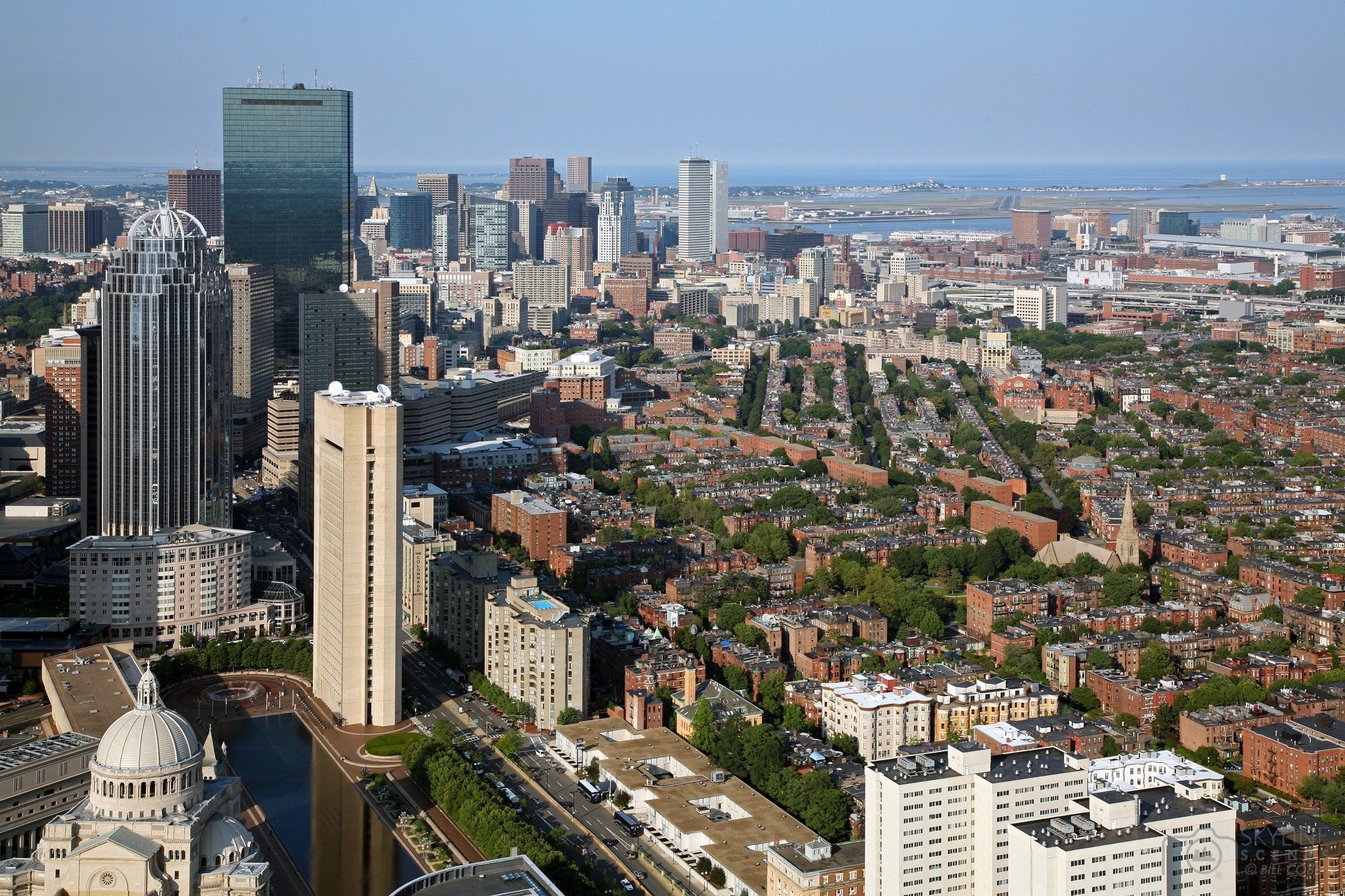
Cambridge reads like a visual anthology: each street and block offers a different chapter. Start with the Charles River—its long, low horizons and reflective surfaces compress distance and amplify sky; on calm mornings the water becomes a mirror for Cambridge and Boston skylines, creating compositions that reward early alarm clocks. Wander into Harvard and MIT and the narrative shifts. At Harvard, centuries of brick, ironwork, and mature elms create intimate frames where portraiture, architectural detail, and the choreographed movement of students converge. The campus’s rhythms—bicycles, cap-and-gown graduation surges, quiet courtyards—provide endlessly variable human-centered scenes. Nearby, MIT’s Stata Center and contemporary facades in Kendall and Central Square snap you into a harder, more graphic aesthetic: angular lines, reflective glass, and industrial textures that favor wide-angle geometry and high-contrast light.
Mount Auburn Cemetery, less a morbid detour and more a cultivated landscape, offers sculptural monuments, layered tree canopies, and rolling topography that make it a year-round study in tonal subtlety. In spring, magnolias and blossoms punctuate the historic stones with ephemeral color; in winter, low sun and bare branches yield crisp silhouettes and a quiet austerity ideal for black-and-white work. Street photography thrives in Harvard Square and Central Square, where buskers, cafes, and late-night diners animate storefronts and create fleeting moments—watch for layered reflections in shop windows and the interplay between neon and dusk. For skyline and long-exposure work, vantage points along Memorial Drive, Magazine Beach, and the approaches to the Longfellow Bridge deliver clean sightlines and dramatic light at dusk.
Beyond pure aesthetics, Cambridge supports photographic practice with a network of guided workshops, friendly camera clubs, and accessible public transit—making setup for sunrise sessions or quick midday shoots practical even for visitors. The variety of subjects means you can stitch a week of themed shoots: dawn river panoramas, afternoon architectural studies, golden-hour portraits in ivy-covered courtyards, and night-time exposures of the Charles with Boston’s lights shimmering across the water. Practical considerations are never far from poetic ones: the city is compact and highly walkable, but parking and rooftop access can be limited. Public spaces are generous, but certain institutions and private rooftops require permission for commercial work. Drone usage and some video shooting near the river and university properties are subject to regulation, so a healthy habit is to check local rules and obtain required approvals before bringing airborne gear.
In short, Cambridge is a microcosm of photographic possibilities where urban, academic, natural, and historical subjects sit within easy reach. It’s a city that rewards different approaches—those who favor careful, contemplative compositions and those who chase the kinetic energy of street life will both find material here. Smart planning—timing for light, an awareness of local rules, and a flexible bag that serves both landscape and street work—turns a visit into a sequence of successful photo shoots rather than a handful of missed chances.
The layered character of Cambridge—from colonial architecture to cutting-edge tech campuses—lets photographers practice varied genres in short sequences: landscape, architectural, portrait, and street photography all within blocks of each other.
Seasonal shifts dramatically alter the city’s palette: spring blooms and graduation crowds, autumnal river reflections and warm leaves, summer festivals in public squares, and crystalline winter light for minimalist compositions.
Best Time to Visit
Best Months
Weather Notes
Spring and fall offer comfortable temperatures and dynamic light; spring brings blossoms and graduations, fall delivers warm tones and clear skies. Summers are warm and busy with festivals; winters can be cold with crisp light but may include snow—low winter sun produces long shadows ideal for dramatic compositions.
Peak Season
Late April–May (commencements, blossoms) and October (fall color and clear skies).
Off-Season Opportunities
Winter weekdays provide solitude, fewer crowds, and distinct snowy scenes; early mornings year-round avoid the busiest streets.
Frequently Asked Questions
Do I need permits to run a photography tour or shoot commercially in Cambridge?
For small personal shoots and casual sightseeing photography you typically do not need a permit, but commercial work, large equipment setups, use of private properties, or drone flights may require permits or prior permission—check with the City of Cambridge and specific institutions (universities, parks) before shooting.
Are photography tours suitable for beginners?
Yes. Many tours cater to beginners with composition basics, camera-handling tips, and simple assignments. Look for workshops labeled 'introductory' or 'beginner-friendly' if you want step-by-step instruction.
When are the best times of day for photography in Cambridge?
Golden hour—shortly after sunrise and before sunset—offers the best directional light for river vistas and building facades. Blue hour and night are excellent for long exposures of the skyline and bridge lighting.
Choose Your Experience Level
Beginner
Short guided walks focused on composition, camera basics, and easy vantage points. Ideal for visitors new to manual settings or those who want guided framing tips.
- Harvard Square street photography walk
- Charles River sunrise session (intro composition)
- Simple campus portrait workshop
Intermediate
Longer outings that introduce advanced compositional strategies, basic long-exposure techniques, and scouting for light. Walks may include varied neighborhoods and require more walking.
- Dawn-to-midday Charles River & Esplanade tour
- Architectural details at MIT and Harvard (wide-angle practice)
- Mount Auburn Cemetery light-study and portrait session
Advanced
Specialized sessions emphasizing long exposures, night photography, rooftop skyline shoots (often requiring permissions), and editorial-style portraiture. These tours expect familiarity with technical camera controls.
- Night skyline long-exposure from Memorial Drive
- Advanced architectural geometry workshop at Kendall/MIT
- Private rooftop or waterfront commercial shoots (permit advised)
Insider Tips & Local Knowledge
Always confirm access, hours, and any permit requirements before planning shoots; be mindful of private property and university rules.
Arrive early for river and skyline sessions—Cambridge wakes slowly, and the best reflections occur before wind picks up. Use Memorial Drive and Magazine Beach as reliable sunrise locations and the Longfellow Bridge approaches for evening panoramas. For campus shots, seek out small courtyards and side alleys where light and texture are more forgiving than the busy quads. Pack layers—wind off the river can be sharper than forecasted—and bring a compact tripod for blue-hour frames. If you’re shooting portraits, scout for shaded arcades and tree-lined walkways to avoid mid-day contrast. When planning drone or commercial shoots, contact city permitting offices and university photography coordinators well in advance; rooftop locations often require separate approvals. Combine a photography tour with complementary experiences—an architecture walk, a river kayak rental for unique vantage points, or a food crawl through Harvard Square—to maximize subject variety. Lastly, respect quiet spaces like Mount Auburn Cemetery: it’s a public garden and working cemetery—keep setups unobtrusive and observation respectful.
What to Bring
Essential
- Primary camera body and a versatile lens kit (24–70mm and 70–200mm or equivalents)
- Wide-angle or ultra-wide lens for architecture and river vistas (16–35mm)
- Sturdy travel tripod for long exposures and low-light portraiture
- Extra batteries and high-capacity memory cards
- Comfortable walking shoes and weather-appropriate layers
Recommended
- Circular polarizer and ND filters for reflections and long exposures
- Remote shutter release or intervalometer
- Compact rain cover for gear and a microfiber lens cloth
- Portable SSD or backup solution for offloading images between shoots
- Smartphone with local transit apps and offline maps
Optional
- Telephoto prime for compressed cityscapes and distant details
- Small reflector or portable LED for portrait sessions
- Drone (only if you have confirmed local permissions)
- Lightweight stool or harness bag for longer workshops
Ready for Your Photography Tour Adventure?
Browse 8 verified trips in Cambridge with instant booking
Explore Top 15 Cambridge, Massachusetts Adventures →