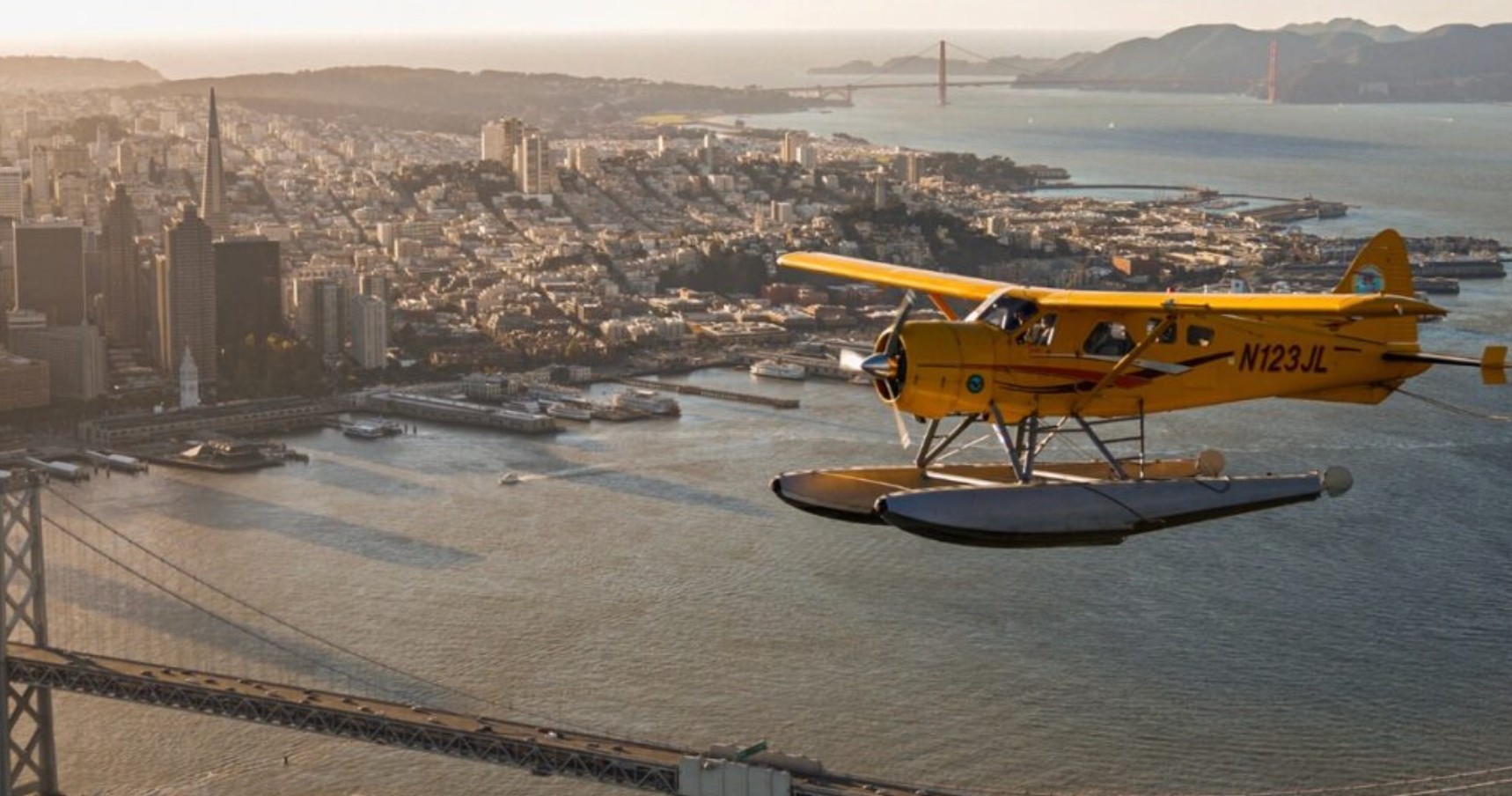
Top 18 Airplane Experiences in Burlingame, California

Burlingame, California

Perched on the San Francisco Peninsula, Burlingame offers a rare vantage point on flight culture: not just departures and arrivals but the human stories and landscapes tied to the airplane. From shore-side plane-spotting along the Bayfront to nearby flight schools and charter options, airplane experiences here blend cinematic aerial perspectives with accessible ground-based rituals. This guide focuses on the ways travelers and locals engage with flight—scenic flights, pilot training, private charters, aerial photography runs, and the simple, addictive pastime of watching jets arc over salt marshes at sunset.

18
Activities
Year-Round (weather dependent)
Best Months

Top Airplane Trips in Burlingame

18 trips • Book with confidence • Instant confirmation

Why Burlingame Is a Standout Place for Airplane Experiences

There’s an intimacy to watching flight from Burlingame that cities with sprawling terminals or distant observation decks rarely provide. Here, the airfields and the water meet: runways at a world-class international airport sit shoulder-to-shoulder with tidal marshes, bike paths, and low-rise neighborhoods. That proximity creates layered experiences—an afternoon playing aircraft-spotter on the Bayfront Trail can feel like a low-key homage to aviation, while booking a short scenic flight out of a nearby general aviation airport transforms the Bay’s flat blue into a painterly patchwork of bridges, headlands, and city grids. The airplane experience in Burlingame is as much about sound and time as it is about sight. There’s the distinct cadence of approach and departure, the double-bass rumble under a winter sky, the brief hush between arrivals. For photographers and storytellers, those moments are cinematic. For pilots and students, the same skies are a daily classroom.

The town’s modest scale works in its favor. Unlike larger airport towns where the terminal dominates, Burlingame’s residential streets and shoreline parks let people choose how close to get. Plane-spotters can stake out benches along the Bayfront with binoculars and a thermos; families can watch incoming flights from picnic blankets as terns wheel in the same thermals; pilots-in-training can taxi from nearby municipal fields that specialize in light aircraft and flight instruction. The result is a palate of airplane-related activities that serve different appetites—novice flyers, hobbyist photographers, aspiring pilots, and travelers who want a short, high-impact aerial tour of the Bay.

Seasonality and weather shape everything. Summer brings long daylight hours and clearer views of the Golden Gate and fog-engulfed Point Reyes during early mornings; famous June Gloom can soften midday light and hide distant headlands but also makes for dramatic, low clouds around runway approaches. Fall and spring typically offer the most stable flying conditions for scenic trips, and winter can deliver the crisply lit skies pilots love for cross-country training. Airspace around San Francisco is busy and regulated; that constraint can limit certain kinds of flights but also concentrates expertise: nearby airports have well-developed services for charter operators, flight instruction, and aircraft maintenance. On the ground, infrastructure is designed for accessibility—short drives from Burlingame’s downtown to vantage points or flight terminals, public parks with sight-lines, and nearby museums and educational institutions that contextualize aviation’s regional history.

Finally, Burlingame’s airplane experiences are complementary. A morning flightseeing trip pairs perfectly with an afternoon walk on the Bayfront Trail and an evening visit to a local aviation museum or an aircraft-themed exhibit in the region. For travelers, that means the airplane is rarely an isolated novelty; it becomes a lens through which to see the coastline, the city, and an entire community that lives in the rhythm of arrivals and departures.

Accessibility is a strength: short transfers from Burlingame to general aviation airports keep scenic flights and charters convenient for day trips.

The Bayfront and nearby parks double as world-class plane-watching spots—low fences, benches, and sweeping sightlines make them comfortable for families and photographers alike.

Flight training and small-aircraft operations around the peninsula mean you can pair a lesson or discovery flight with sightseeing, photography, or a weekend escape.

Activity focus: Airplane—flightseeing, plane-spotting, flight training, private charters, aerial photography
Number of matching experiences in the area: 18
Prime viewing: Bayfront Trail and shoreline parks for takeoffs and landings
Nearby aviation resources: general aviation airports, flight schools, maintenance services
Weather influence: coastal fog (June Gloom) and seasonal wind patterns affect visibility and flight schedules

Best Time to Visit

Best Months

AprilMaySeptemberOctober

Weather Notes

Spring and fall typically offer the clearest flying windows and more stable air for scenic flights and flight training. Summer mornings can be foggy (June Gloom) and afternoons clearer; winter brings crisp light but occasionally stronger winds.

Peak Season

Late spring through early fall for scenic flights, tourism, and pleasant shore-side plane-spotting.

Off-Season Opportunities

Winter can provide quieter vantage points and lower demand for local flight schools—good for learners seeking more flexible scheduling.

Frequently Asked Questions

Do I need special permits to watch planes from the Bayfront?

No public permits are typically required to plane-spot from parks and shorelines, but always follow posted park rules and respect restricted areas, fences, and signage near airport properties.

Can I book a short scenic flight directly from Burlingame?

Scenic and charter flights usually operate from nearby general aviation airports rather than downtown Burlingame. Expect short transfers to the launch airport; operators handle check-in and safety briefings.

Are small aircraft and discovery flights safe for first-time flyers?

Yes—operators and flight schools follow aviation regulations and preflight safety procedures. If you have concerns, review safety information with the operator before booking and confirm pilot certifications.

Choose Your Experience Level

Beginner

Casual plane-spotting, short scenic flights as a passenger, and museum visits—low commitment, high wow factor.

  • Bayfront plane-spotting session
  • 30–45 minute scenic flight over the Bay
  • Visit an aviation museum or exhibit in the region

Intermediate

Discovery flights, photo-oriented aerial tours, or introductory flight lessons—some preparation and scheduling required.

  • Discovery flight with dual instruction
  • Aerial photography sortie at golden hour
  • Charter a short hop to coastal points for day trips

Advanced

Pilot training hours, cross-country planning, and private aircraft charter coordination—requires certification or prior experience.

  • Flight training blocks from a nearby municipal airport
  • Cross-country flights to regional destinations (planning and filings needed)
  • Private charter logistics for bespoke aerial itineraries

Insider Tips & Local Knowledge

Confirm flight availability, local NOTAMs, and operator credentials before booking. Respect airport property and noise-abatement requests.

Plan viewing for morning or late-afternoon light—the angles are better for photography and the air is usually smoother for scenic flights. If you’re plane-spotting, bring binoculars and a small field guide to aircraft silhouettes; standing along the Bayfront Trail gives both runway views and pleasant walking access. For flightseeing, ask operators about preferred flight corridors and whether you’ll circle familiar landmarks; professional pilots will advise on best light and weather windows. If you’re curious about learning to fly, schedule an introductory lesson on a weekday when air traffic is lighter. Combine airplane activities with nearby experiences: a visit to a local aviation museum to ground your perspective, a hike on San Bruno Mountain for elevated views of approaches, or an evening in downtown Burlingame for dining after a day of flights. Finally, be mindful of coastal weather—fog, wind, and visibility shifts can alter schedules, so keep plans flexible and book refundable or changeable options when possible.

What to Bring

Essential

  • Government-issued photo ID (required for boarding or check-in)
  • Noise-cancelling headphones or ear protection for small-craft flights
  • Layered outerwear—coastal winds can feel cooler aloft and on the shoreline
  • Camera with a telephoto or zoom lens for aircraft and aerial photography
  • Charged phone and backup battery

Recommended

  • Binoculars for plane-spotting sessions
  • Light daypack with water and snacks
  • Sunglasses and sun protection—reflection from the Bay is strong on clear days
  • Small packing cubes or soft-sided bags that meet small-aircraft carry limits

Optional

  • Portable folding stool or blanket for long viewing sessions on the Bayfront
  • Notebook for pilot notes or photography shot lists
  • Weather app with real-time wind and visibility overlays

Ready for Your Airplane Adventure?

Browse 18 verified trips in Burlingame with instant booking

Explore Top 15 Burlingame, California Adventures →