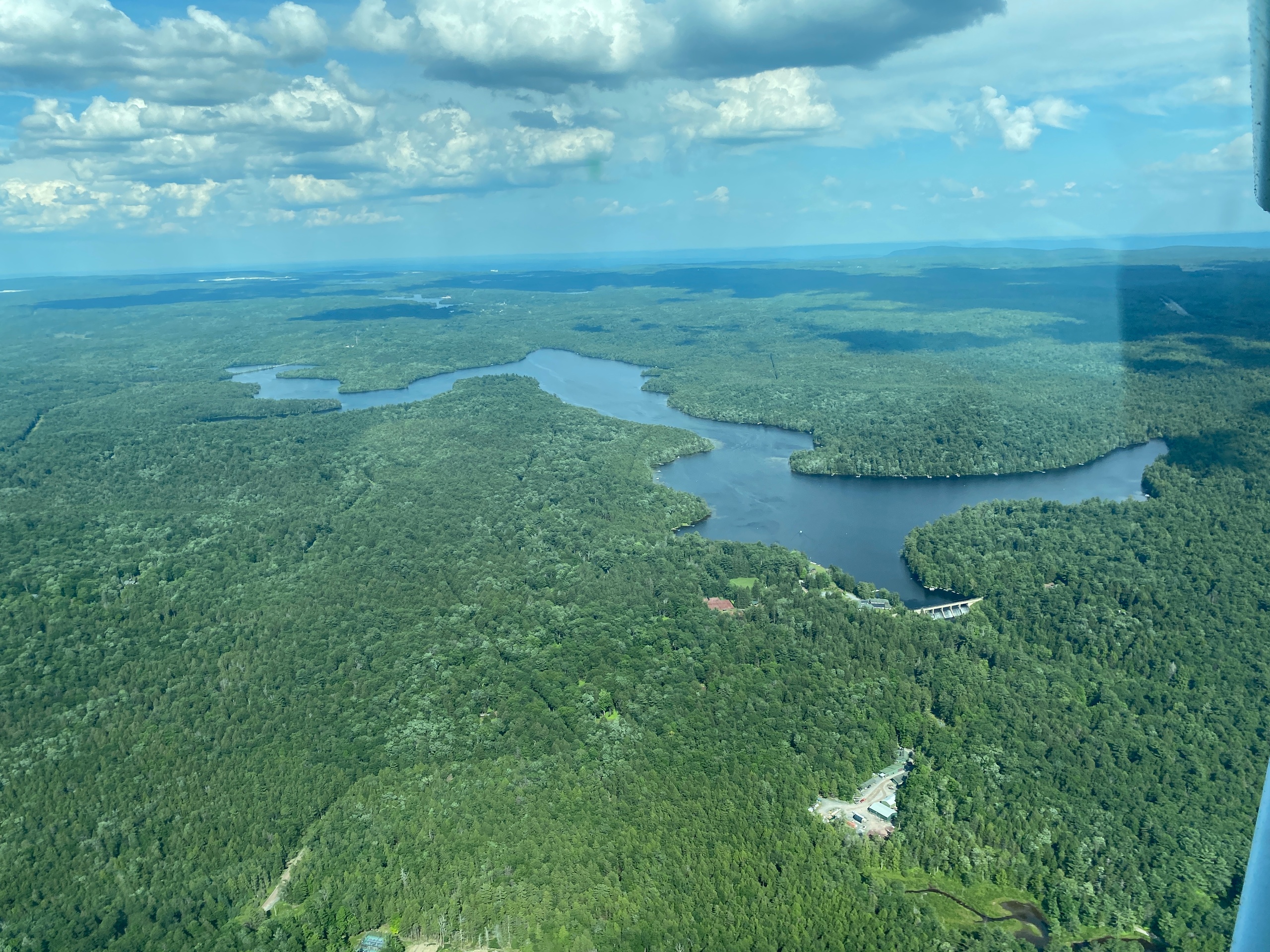
Why Buck Hill Falls Is a Standout Air Tour Destination
There’s a particular hush that arrives when you lift off from a small airstrip or open a balloon basket in the pre-dawn cool above Buck Hill Falls. From the ground, the community is a patchwork of stone cottages, towering pines, and shady lanes; from the air, those details dissolve into the broader geography of the Poconos—long, gentle ridgelines, scattered kettle lakes that glint like coins, and the east–west trough of the Delaware River slicing toward the Delaware Water Gap. The appeal of an air tour here is not just the views but the way flight compresses time and distance: a twenty-minute hop stitches together the resort-era architecture of Buck Hill Falls, the curve of Lake Naomi, and the folded topography of the adjoining state forest into a single, coherent panorama.
For travelers who love grounded adventures—hikers, paddlers, photographers—an air tour provides a strategic overview. It answers the question “where next?” by revealing ridgelines that promise sunrise viewpoints, river bends that offer scenic paddle routes, and quieter valleys that hold hidden trailheads. Pilots and balloon operators in the area tend to emphasize low-and-slow flightseeing when conditions allow: lower altitudes for texture, slow passes over photogenic features, and route flexibility to chase light. That mindset makes Buck Hill Falls a particularly friendly aerial destination for photographers and first-time flyers who want a calm, narrative-driven experience rather than a high-speed joyride.
Historically, Buck Hill Falls developed as a retreat in the late 19th and early 20th centuries, and that legacy still shapes what you see from above—a human-scale landscape of lodges, roadways, and managed clearings set against a dominantly wooded backdrop. The sky reveals patterns the ground hides: former farm fields that read as pale rectangles, seasonal drainage lines, and the ribbon of the Delaware River as it narrows into the Water Gap. Seasonal shifts are dramatic from altitude. Spring patches the forest with chartreuse; summer fills lowlands with a dark, continuous canopy; fall turns ridgelines into bands of flame; and crisp winter days—rare but remarkable—offer the best long-distance clarity with frosted trees and glassy lakes.
Beyond pure sightseeing, air tours here connect naturally to complementary outdoor activities. A morning balloon ride can be followed by a forested hike or lakeside paddle; a short helicopter flight can drop photographers at vantage points for golden-hour shoots; a private small-plane charter makes it feasible to stitch together a multi-site day: historic lodges for brunch, a riverside canoe put-in for an afternoon, and a sunset ridge hike. Practical considerations—wind, thermal activity, runway availability, and daylight—shape what’s possible, so the most seamless experiences come from operators who understand both the landscape and the seasonality of northeastern air conditions. In short, Buck Hill Falls delivers an intimate, scene-rich aerial experience that rewards those who pair a sense of adventure with a bit of weather-wise planning.
Variety is the draw: short scenic circuits in light aircraft, helicopter vantage flights, and early-morning hot-air balloon trips all exist within easy reach of the Buck Hill Falls community. Each format offers a different rhythm—balloons for silence and slow ascents, helicopters for nimble viewpoints, and fixed-wing tours for stability and broad framing.
Seasonality reshapes the experience. Spring and fall are prized for visibility and color; summer offers lush canopy textures but also larger thermals and afternoon instability; winter provides crisp air and long sightlines on clear days but requires careful logistics and additional cold-weather preparedness.
Choose by purpose
Whale watching, snorkeling, sunset sailing, cultural canoeing, harbor sightseeing, or private chartering.
Start near the city
Waikiki and Honolulu Harbor are primary hubs, with some trips launching near Hanauma Bay.
Confirm the vessel
Gangways, shaded seating, and boarding requirements vary according to vessel size and operator.