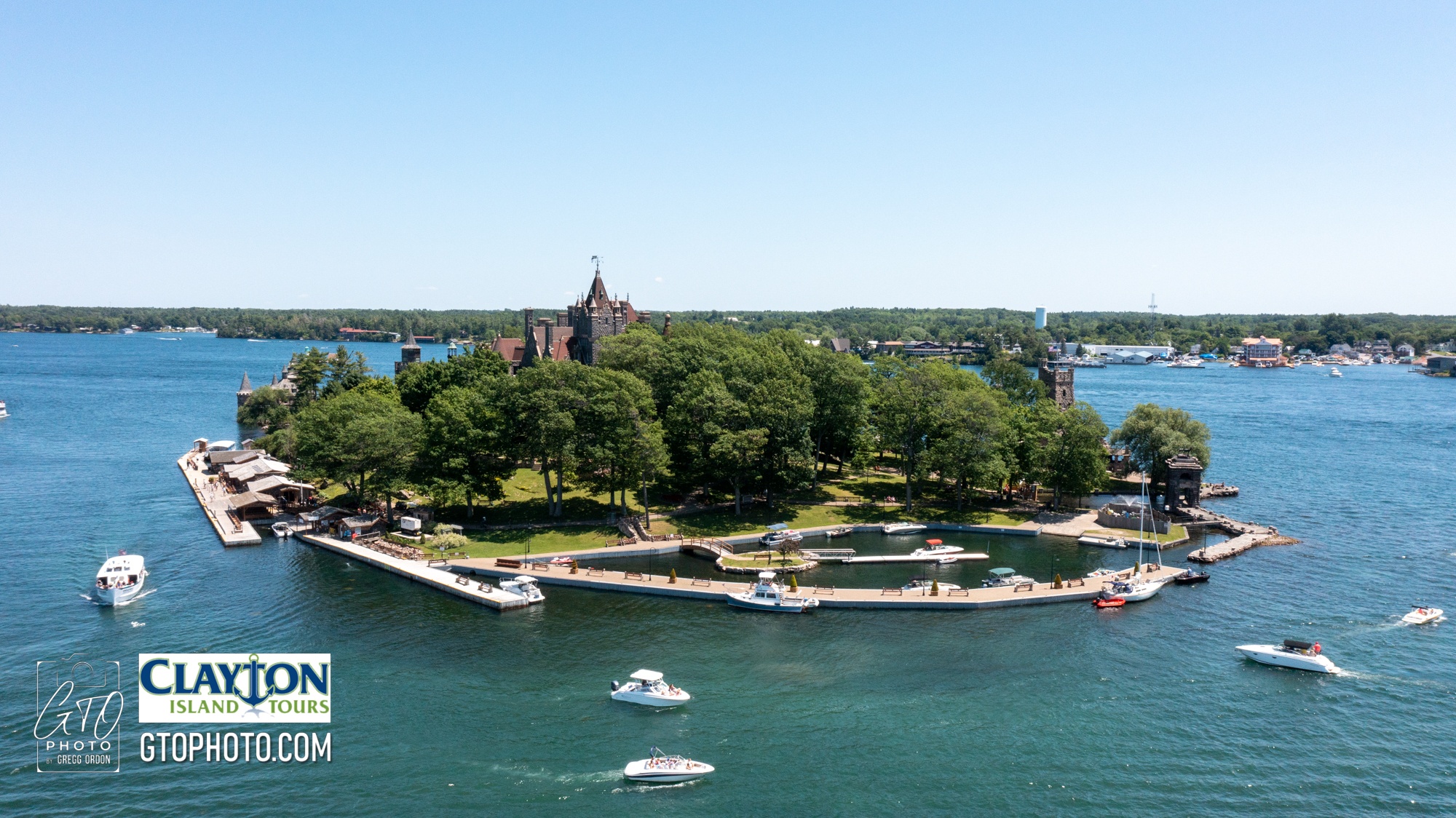
Brownville's geography reads like a short story: sheltered river bends, a low shoreline that opens toward Lake Ontario, and a village center that slips easily between industrial river history and pastoral farmland. Sightseeing here is less about conquering a summit than about assembling a sequence of small, transportive moments—a lighthouse silhouette against low sun, the creak of timbers on an old dock, a marshland where warblers flicker through reeds. Tours are built to highlight those moments, whether aboard a slow boat that follows the Black River toward the lake or on a shuttled drive that stops at overlooked roadside lookouts.
The town's scale is a gift. Many tours run as half‑day outings, accessible to a wide range of travelers: families who want a relaxed morning disembarking for a short village walk, birders timing migration pulls along the lake edge, or photographers chasing the quiet of golden hour. Guides tend to be local—folks who can move naturally between practical local lore (which mill used this waterpower in the 1800s?) and offhand tips about where to find good coffee or a peaceful bench. That human element is essential; sightseeing in Brownville is as much cultural as it is scenic. History and landscape are braided together: the river shaped the mills and the roads; the road networks reveal former trade routes to the Thousand Islands and beyond.
Seasonality matters. The clearest, most comfortable touring window is late spring through early fall, when water levels are steady, road shoulders are dry, and migratory birds are most active. Summer brings the warmest weather and the highest local traffic, particularly on weekends. Fall adds a layer of visual drama—maples and oaks flame along county roads and the lakeside bluffs—but also shorter days and cooler breezes off Lake Ontario. Winter sightseeing is possible but limited: heavy ice and closed services mean most formal tours pause, leaving self-guided drives and brief village walks as the primary options. In short, Brownville rewards a slightly slower attention: tune your pace to the town, and the vistas and stories will follow.
Small-boat and river cruises provide a different scale to the landscape: you see shoreline crisscrossed by historical remnants, active bird habitat, and working docks that still serve local fishermen.
Walking tours in the village focus on architecture, local stories, and the interplay between the river and industry—ideal for travelers who like history served in conversational bites.
The harbor is the gateway, and the Pacific becomes the classroom.
Scenic drive loops pair short stops with panoramic glimpses, making them a flexible option for families or mixed-ability groups.
Choose by purpose
Whale watching, snorkeling, sunset sailing, cultural canoeing, harbor sightseeing, or private chartering.
Start near the city
Waikiki and Honolulu Harbor are primary hubs, with some trips launching near Hanauma Bay.
Confirm the vessel
Gangways, shaded seating, and boarding requirements vary according to vessel size and operator.