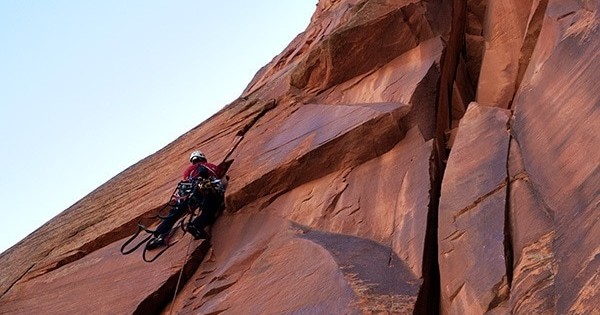
Climbing in Bridgton, Maine
Bridgton is a quiet hub for low-angle slab climbs, forested bouldering and approachable top-rope sites framed by lakes and Northern New England woods. Expect short approaches, variable rock, and easy access to multi-activity days—pair climbs with paddling, hiking, or a summit walk on Pleasant Mountain.
Top Climbing Trips in Bridgton
11 trips • Book with confidence • Instant confirmation
Why Bridgton Works for Climbers
Bridgton sits at the edge of Maine’s lake country, where rounded granite ledges and scattered boulders punctuate mixed hardwoods. It is not a destination for long alpine routes or high-consequence big-wall climbs; instead, its strength is approachable rock in a calm, rural setting where a morning of bouldering or a few top-ropes can be paired with an afternoon on the water. For travelers who prize short approaches, varied seasonal textures, and a landscape that mixes water and stone, Bridgton feels like a thoughtfully scaled climbing town.
The climbing here tends to be intimate: single-pitch faces, slabby sequences, and technical boulders that reward footwork more than brute force. Many of the best features sit close to trailheads or quiet dirt roads, so days are lean—no big packs, no long route-finding. That quality makes Bridgton especially well suited to families, mixed-ability groups, and climbers who want to shoe up for a few quality problems without committing to a full climbing expedition. It’s also a practical base for exploring more demanding climbing regions a drive away; the White Mountains and other northern granite areas are accessible as day trips for parties seeking trad lines or taller sport routes.
Seasons shape the experience in clear ways. Late spring and early summer deliver clean friction and long daylight, ideal for slab and friction-dependent moves, while late summer can bring afternoon humidity and wet runs after storms. Autumn turns the surrounding hardwoods into a visual backdrop of color, which not only makes for unforgettable session photos but also tends to lower visitation on weekdays. Winter and early spring are less reliable for outdoor climbing due to snow, wet rock, and freeze-thaw cycles; those months are better reserved for gym sessions or planning future objectives. Across seasons, the region’s sandy soils, exposed lichens, and occasional moss require climbers to be thoughtful about wet-weather etiquette and access: when routes are saturated or thawing, even moderate problems can be fragile and slippery.
Short approaches and modest profiles make many Bridgton climbs suitable for half-day outings or for combining climbing with paddling, mountain biking, or a summit hike.
Routes emphasize technique and balance—slabs, smears, and technical face climbs—so climbers who enjoy footwork and route-reading will find the area rewarding.
Best Time to Visit
Best Months
Weather Notes
Late spring and early fall offer the most consistent friction and lower humidity. Summer afternoons often bring showers; plan sessions for morning or late afternoon. Winter and early spring can leave rock iced or saturated.
Peak Season
Late summer weekends and fall foliage weekends see higher local visitation.
Off-Season Opportunities
Weekday shoulder seasons provide solitude for tactile slab sessions, though be mindful of wet or frozen conditions in early spring and late fall.
Frequently Asked Questions
Do I need permits for climbing near Bridgton?
Access and permitting vary by exact location. Many local boulders and roadside climbs are on public or permissive private land; however, some areas may require permission or have seasonal restrictions. Confirm access locally before climbing.
Is there an indoor climbing gym in Bridgton?
Bridgton itself is small and may not have a full-service climbing gym; consider nearby towns for indoor training and to supplement outdoor sessions, especially in winter.
Can I combine climbing with other outdoor activities in the area?
Yes. Bridgton’s lakes, hiking trails, and Pleasant Mountain make it easy to pair a morning climb with paddling, a summit walk, or a mountain-bike ride in the afternoon.
Choose Your Experience Level
Beginner
Short approaches and moderate problems that emphasize balance and footwork. Top-roping and easy boulders allow novices to build confidence without long routes.
- Top-rope practice on low-angle slabs
- Guided introductory bouldering session
- Technique-focused short climbs paired with a lake swim
Intermediate
Longer boulder sequences, technical face climbs, and multi-pitch practice on short single-pitch routes. Good for climbers refining lead skills and anchor building.
- Technical slab sessions with route reading
- Lead practice on single-pitch routes with top-rope backups
- Day trip combining crag time with an afternoon hike
Advanced
Focused training on difficult boulder problems, precision slab climbing and day-trips to nearby mountain ranges for sustained traditional routes. Expect to travel for more sustained sport or trad lines.
- Projecting hard boulder problems and link moves
- Technical lead climbs demanding precise footwork
- Full-day transfers to larger alpine or trad areas beyond Bridgton
Insider Tips & Local Knowledge
Always verify access, closures, and weather before heading out. Respect private property and seasonal wildlife restrictions.
Start early to avoid heat and afternoon storms; many favorite sessions are best in the morning when friction is highest. When the rock is wet or thawing, postpone climbs—soft lichens and freeze-thaw damage can accelerate erosion. Carry a small brush and only clean holds where permitted; leave the landscape as you found it. For lead climbs, double-check anchors and use a helmet—many approaches are forested with loose debris. If you’re unsure about access or conditions, stop at a local outfitter or contact regional climbing groups for up-to-date guidance. Finally, pair climbing with other area activities—Bridgton’s calm lakes and nearby summits make it easy to build a full outdoor day that keeps everyone in the group engaged.
What to Bring
Essential
- Climbing shoes and a crash pad (for bouldering)
- Harness, rope (60m or 70m), helmet and a small trad or sport rack if planning to lead
- Top-rope anchor slings or personal anchor system
- Climbing-specific shoes with sticky rubber
- Water, sun protection, and energy snacks
Recommended
- Guidebook or GPS note of access points (respect private land closures)
- Approach shoes and a lightweight pack
- Brushes for cleaning holds (use sparingly and where permitted)
- Small first-aid kit and basic repair kit (webbing, carabiner)
- Light insulated layer for cooler mornings
Optional
- Portable hangboard or mobility tools for warmups
- Camera or compact spotting scope for photographing sequences
- Lightweight belay jacket for cooler seasons
Ready for Your Climbing Adventure?
Browse 11 verified trips in Bridgton with instant booking
Explore Top 15 Bridgton, Maine Adventures →