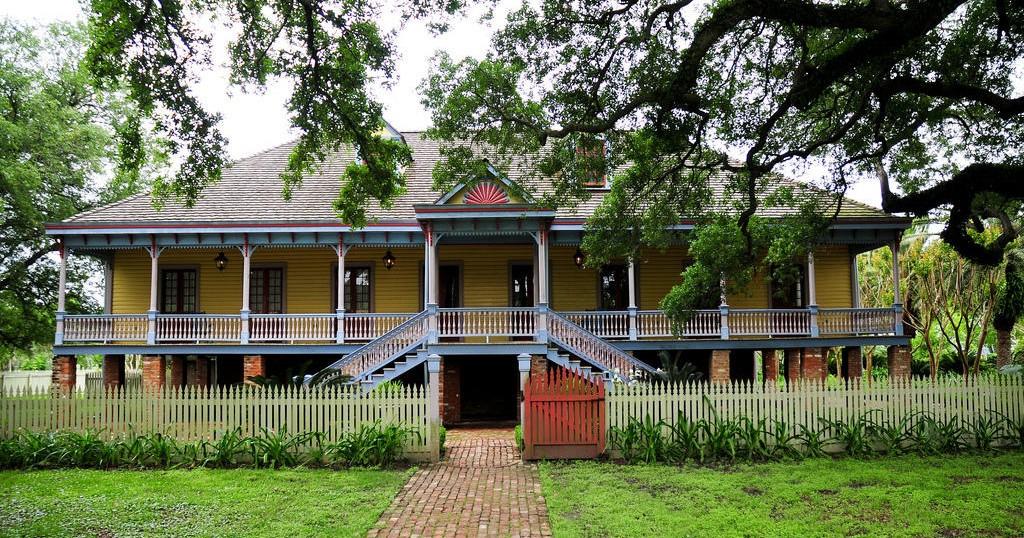
Braithwaite sits quietly where human settlement meets the shifting edge of the Mississippi and the marshes beyond. A city tour here reads like a short essay on place: levee roads that double as linear promenades, modest homes with decades of weathered paint, roadside fish houses with coolers stacked high, and the unobtrusive infrastructure of a working coast—pylons, docks, and the occasional hazy silhouette of industrial rigs further downriver. For travelers used to curated downtown walks, Braithwaite offers a different rhythm: small-scale, low-key, and intensely local.
The area’s history and daily life are braided together by water. Boat traffic, seasonal flood cycles, and the work of fisheries and oilfields all influence who lives here and how they live. That connection to water makes city tours in Braithwaite naturally hybrid: part sidewalk and levee, part road trip, and often part boat ride into adjacent bayous. Guides—when available—tend to be storytellers as much as navigators: they point out family-owned eateries, explain levee maintenance, identify wading birds in the shallows, and translate the coded landscape of canals and spoil banks.
For travelers, the appeal is twofold. First, there’s intimacy: you can experience a Gulf Coast settlement at human scale, with few tourist crowds and plenty of personality. Second, Braithwaite is a natural gateway to complementary outdoor experiences—birding in nearby wetlands, sunset boat tours, kayak paddles through sheltered channels, and fishing charters that launch from working docks. Taken together, a city tour here is not just a walk through streets; it’s an orientation to coastal life, environmental change, and the culinary traditions anchored in the sea.
Tours in Braithwaite adapt to the town’s infrastructure: expect combinations of levee-side walking, short drives along two-lane parish roads, and optional boat segments into adjacent marshes. The best local tours are paced to allow conversation with residents, stops at seafood shacks, and time to photograph the layered light over water and cypress.
Seasonality is important. Cooler months make walking and roadside exploration pleasant; spring and fall are excellent for bird migration and milder weather. Summer brings intense heat, humidity, and mosquitoes, and hurricane season (June–November) can affect access and services.
The harbor is the gateway, and the Pacific becomes the classroom.
Because the town is small and infrastructure modest, planning practicalities—transportation, restroom availability, and timing around tides—matter more than they might in larger cities. A good city tour will factor these in, offering clear logistics and local tips.
Choose by purpose
Whale watching, snorkeling, sunset sailing, cultural canoeing, harbor sightseeing, or private chartering.
Start near the city
Waikiki and Honolulu Harbor are primary hubs, with some trips launching near Hanauma Bay.
Confirm the vessel
Gangways, shaded seating, and boarding requirements vary according to vessel size and operator.