2

Wildlife Watching in Bradenton, Florida

Bradenton, Florida

Where mangrove channels meet wide tidal flats and slow rivers thread through sawgrass, Bradenton assembles a concentrated, accessible wildlife stage. From the gentle bulk of wintering manatees in warm springs and channels to the low-slung drama of raptor migration and year-round shorebird foraging, this stretch of Florida’s Gulf Coast rewards patience and curiosity. Expect easy access—short boardwalks, kayak launches, and guided boat trips—paired with scenes that feel remote: herons standing statue-still in marsh water, dolphins arcing on the outer bay, and the occasional bobcat or river otter slipping through reeds.

32
Activities
Year-round (seasonal peaks)
Best Months

Top Wildlife Trips in Bradenton

32 trips • Book with confidence • Instant confirmation

Why Bradenton Delivers Exceptional Wildlife Encounters

Bradenton’s wildlife appeal is rooted in liminality: places where freshwater and saltwater meet, where sheltered estuaries open to the Gulf, and where human access points—small launches, coastal preserves, and roadside pullouts—put you surprisingly close to wild behavior. Walk a mangrove boardwalk at sunrise and you’ll quickly see why. The mud flats, exposed at low tide, become feeding theaters for sandpipers and plovers; the mangrove roots harbor small fish and crustaceans that in turn lure the birds. Paddle a narrow channel at mid-morning and you may find a pod of bottlenose dolphins threading between oyster bars while ospreys hover overhead.

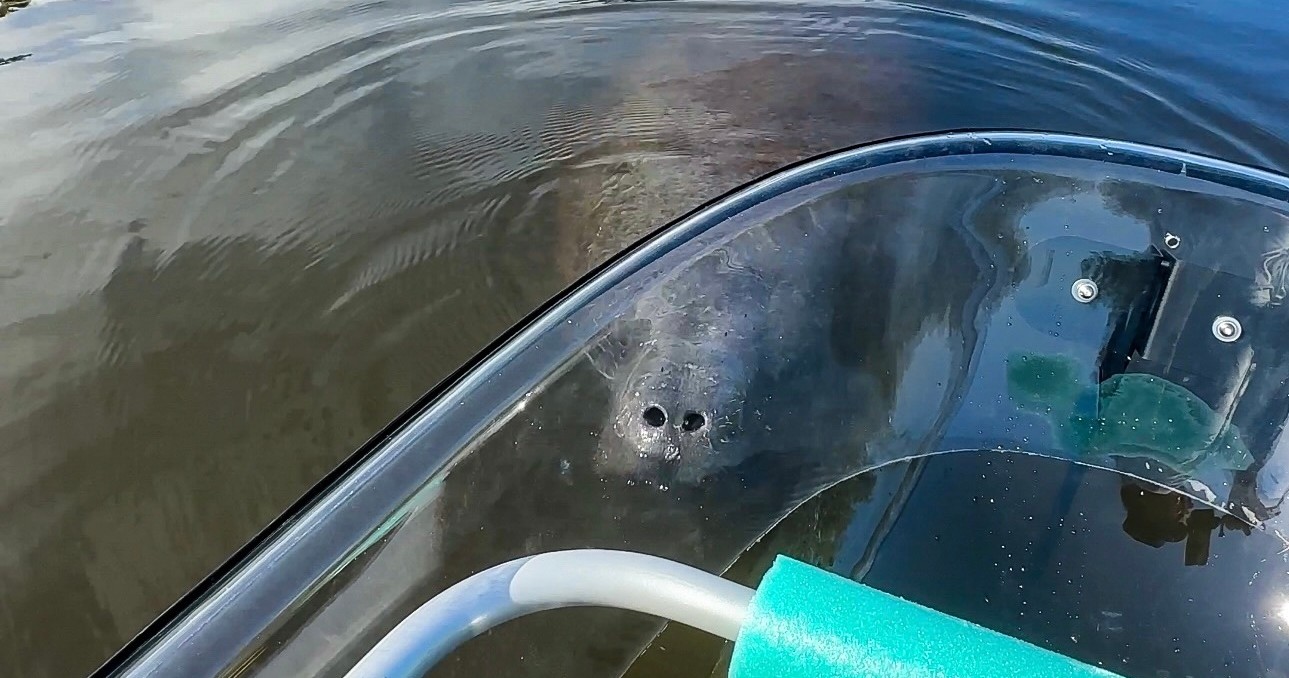
Viewed up close, Bradenton’s ecosystems reveal tight ecological choreography. Manatees, the gentle large mammals that many travelers come to see, favor warm backwaters and freshwater outflows when Gulf temperatures dip. At the same time, Myakka River’s oak hammocks and sawgrass marshes support raptors, wood storks, and secretive marsh birds; the park’s wide floodplain becomes a seasonal magnet for both resident and migrating species. Robinson Preserve and the barrier islands—Anna Maria Island and the northern reaches of Longboat Key—add sandy beaches and dune systems that are important not only for shorebirds and beach-nesting species but also for sea turtles during nesting season.

For travelers, Bradenton’s strength is accessibility without excessive infrastructure: short, interpretive trails; kayak and small-boat outings that deposit you into edge habitats; and a network of local guides who know where birds, manatees, and dolphins concentrate by tide and temperature. That practicality makes Bradenton an excellent base for both single-day wildlife immersions and multi-day itineraries that mix birding, paddling, and shallow-water snorkeling. It’s also a place to learn—the local conservation organizations and visitor centers offer guided walks and seasonal programming that illuminate how tides, runoff, and human use shape animal behavior. Bring patience, binoculars, and a sense of timing (low tide and golden hours are especially productive), and Bradenton delivers repeated, intimate glimpses of coastal Florida wildlife.

The mosaic of habitats—mangroves, tidal flats, seagrass beds, and river swamps—concentrates wildlife and shortens travel time between very different viewing conditions.

Guided kayak and boat tours increase the odds of seeing elusive animals and provide safer, lower-impact ways to approach sensitive areas than on-foot shortcuts or beach driving.

Activity focus: Coastal and estuarine wildlife watching
32 curated wildlife outings and experiences in the Bradenton area
Accessible options: boardwalks, kayak launches, and short boat trips
Seasonal highlights: manatees in winter, shorebird migration in spring/fall, sea turtles in summer
Tides and time of day matter—plan for low tide and early morning or late afternoon for best sightings

Best Time to Visit

Best Months

NovemberDecemberJanuaryFebruaryMarchApril

Weather Notes

Winters are mild and dry—ideal for manatee viewing and migratory birds—while summers are hot, humid, and often stormy. Hurricane season runs June–November; late-summer weather can include frequent thunderstorms and higher coastal water levels.

Peak Season

December through March is busiest for wildlife tourism (manatees, migratory birds, and comfortable weather).

Off-Season Opportunities

Summer brings sea turtle nesting on nearby barrier islands and quieter preserves; mornings are still productive for birding and dolphin sightings before afternoon storms.

Frequently Asked Questions

Do I need permits to visit wildlife areas?

Most public preserves and state parks allow day visits without special permits, though some activities (commercial charters, dredging, or research) require permits. Always check local park websites for current rules and closures.

Are guided tours necessary to see wildlife?

No—many species are visible from boardwalks, kayak launches, and beaches—but guided boat or kayak tours greatly increase sighting odds and teach low-impact approaches to sensitive habitats.

How close can I get to manatees, birds, and marine life?

Maintain distance and follow local regulations: avoid touching or feeding wildlife, give manatees and resting birds space, and minimize noise. Use binoculars or a zoom lens rather than attempting close approaches.

Choose Your Experience Level

Beginner

Short, accessible viewing: boardwalks, picnic-area overlooks, and guided short boat rides that require no technical skills.

  • Robinson Preserve boardwalk loop
  • Short bay boat tour for dolphin sightings
  • Shorebird watching at low-tide flats

Intermediate

Half-day kayaking, guided birding walks, and estuary snorkeling—requires basic paddling skills and comfort on water.

  • Guided mangrove kayak trip
  • Myakka River birding and canoe float
  • Snorkel seagrass flats with a guide

Advanced

Backcountry paddling or overnight camping in remote estuaries, photography-focused trips requiring long patience, and technical launches that demand tides and weather knowledge.

  • Multi-hour coastal paddle to remote shorebird roosts
  • Overnight kayak expedition in protected estuaries
  • Early-season research-oriented tours (banding or monitoring events)

Insider Tips & Local Knowledge

Respect wildlife and habitat: keep distance, stay on designated trails, and check local advisories before heading out.

Timing is the simplest multiplier for success: aim for low tide on mudflats and dawn or late afternoon along shorelines. For manatee viewing, seek warm-water outflows and protected channels on cooler days; approach slowly and let the animals choose their distance. When kayaking, launch with a guide or someone experienced in tidal planning—many channels shift with tides and winds. Use polarized lenses to spot fish and submerged grass beds. If you’re photographing wildlife, silence your phone and minimize movement; a beanbag or monopod steadies a long lens from small boats. Finally, consult local conservation groups and park pages the morning of your outing for closures, nesting advisories, or seasonal access changes—these groups often post the most current, actionable intel.

What to Bring

Essential

  • Binoculars (8x–10x) and a small spotting scope if you have one
  • Water, sun protection (hat, sunscreen), and insect repellent
  • Lightweight rain shell—coastal weather can change quickly
  • Waterproof dry bag for electronics on boat or kayak outings
  • Field guide or app for local birds and marine life

Recommended

  • Telephoto lens or compact camera for wildlife photos
  • Polarizing sunglasses for reduced glare on water
  • Comfortable, quick-dry clothing and water shoes
  • Reusable water bottle and snacks for full-day outings

Optional

  • Guide-led tour booking confirmation (if joining a charter)
  • Tide table app or local tide schedule
  • Small spotting scope for distant shorebird flocks

Ready for Your Wildlife Adventure?

Browse 32 verified trips in Bradenton with instant booking

Explore Top 15 Bradenton, Florida Adventures →