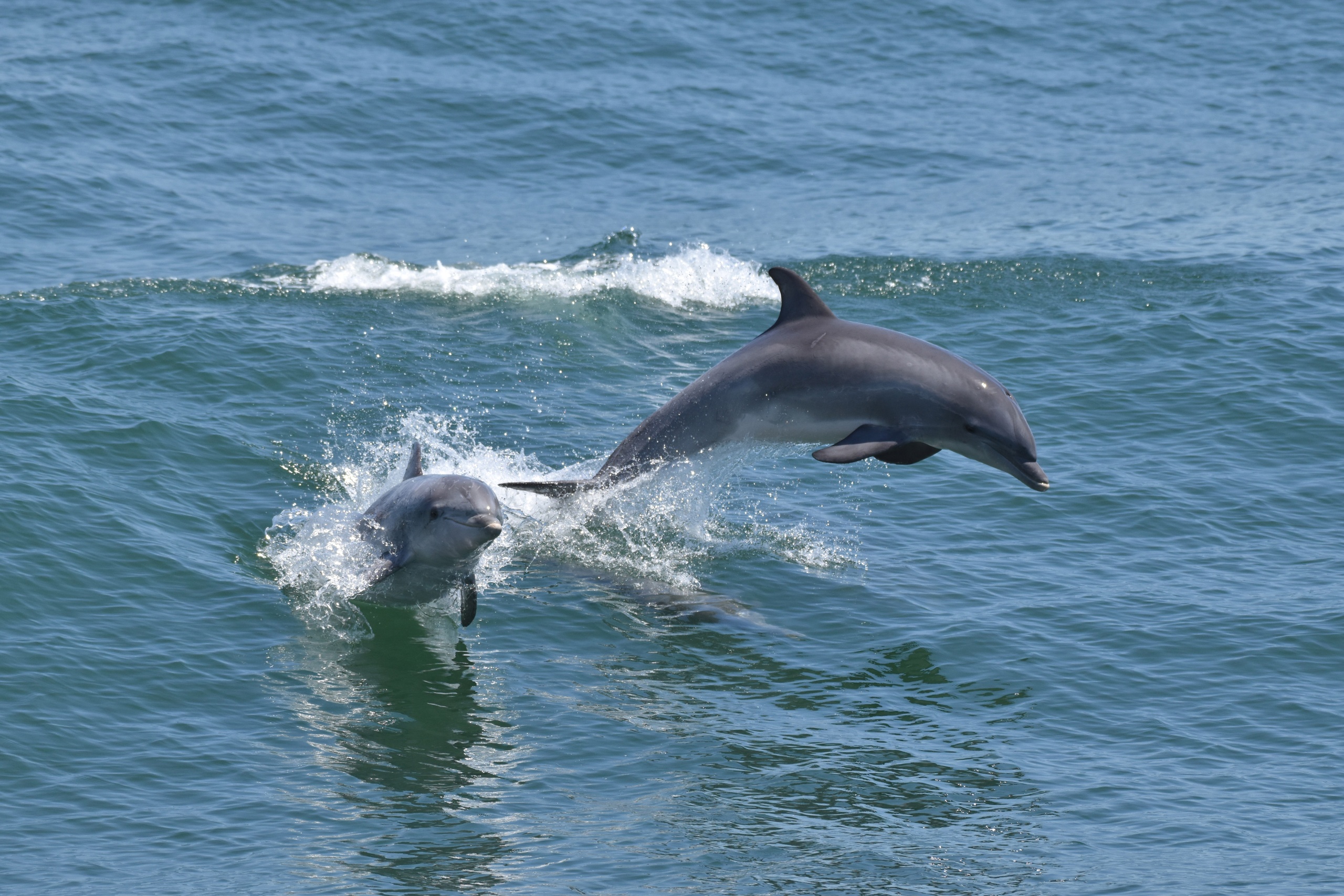
Top Dolphin Experiences in Bowers Beach, Delaware
Where the farmland-lined shores meet the wide Delaware Bay, Bowers Beach offers intimate encounters with coastal dolphins that combine salt-scented mornings, working waterfront character, and shallow-bay behavior that is uniquely viewable from shore, kayak, or small-boat cruises. This guide focuses on dolphin-focused activity—watching, photography, kayak interactions, and responsible wildlife tours—plus the local context that shapes sightings and seasonality.
Top Dolphin Trips in Bowers Beach
4 trips • Book with confidence • Instant confirmation
Why Bowers Beach Is a Standout Place to See Dolphins
Bowers Beach sits at a quiet hinge between the open Atlantic and the shallow, productive waters of Delaware Bay. For generations the town has been defined by working boats, oyster racks, and a coastline of salt marshes that nurtures dense schools of fish. Where fish gather, dolphins follow; in Bowers the animals we most often see are Atlantic bottlenose dolphins—curious, social, and adapted to nearshore life. The bay’s shallow tidal flats and tidal-driven channels concentrate baitfish during spring high tides and summer nights, creating predictable foraging zones. That makes dolphin encounters here less about long-distance pelagic sightings and more about intimate, surface-level observations: bow-riding nearshore, coordinated feeding strands, and playful pods that arch through flat water within sight of the shoreline.
The place itself shapes the experience. Bowers Beach is small—low-slung houses, a handful of docks, and the smell of brine and diesel on the air—so you don’t need to be offshore to feel like you’re in among the animals. Kayakers glide into tidal creeks where dolphins sometimes parallel the channel; small charter boats launch from local slips for short bay cruises timed to tides and light. Because sightings are often close to shore, photographers can capture expressive portraits without heavy telephotos, and families can watch from piers or sandbars with minimal fuss. That accessibility makes Bowers a good option for travelers who want a low-effort, high-reward wildlife outing that pairs easily with crab shacks, birding stops, and the slower rhythms of Delaware’s bayshore communities.
But the intimacy of these encounters comes with responsibility. Dolphins are protected under federal law, and in a shallow bay environment it’s easy—sometimes too easy—for boats or paddlers to disturb feeding groups. The best experiences in Bowers are guided by local skippers and naturalists who know how to read tides, follow regulatory buffers, and prioritize the animals’ behavior over a close photo. Seasonality matters: late spring through early fall generally offers the most consistent sightings as water temperatures rise and bait concentrations peak. Weather patterns, moon phase, and tidal schedules also rearrange where fish and dolphins concentrate, so flexible timing—arriving at slack tide or a rising tide, or choosing morning hours when the bay is glassy—improves your odds. Onshore, combine a dolphin outing with oyster tasting, marsh walks, or a kayak trip through tidal creeks; or use a dawn or dusk excursion to catch golden light and cooler conditions for both animals and observers.
For the traveling naturalist, Bowers Beach is a study in small-scale coastal ecology: oyster reefs and eelgrass beds feeding baitfish, boats and bird flocks punctuating the horizon, and dolphins threading through it all. Whether you’re after a family-friendly shore sighting, a photographers’ dawn patrol, or a guided research experience, the town’s combination of working waterfront and bay dynamics creates a type of dolphin watching that’s immediate, approachable, and deeply tied to local maritime life.
Ecology and behavior: Atlantic bottlenose dolphins frequent the Delaware Bay to exploit shallow-water feeding opportunities. Their behavior is often visible from close range—bow riding, surface feeding, and coordinated herding—especially near tidal channels and oyster beds that concentrate baitfish.
Cultural context and accessibility: Bowers is a working coastal village; many dolphin outings are short, local launches or kayak trips rather than long offshore expeditions. That accessibility makes it ideal for half-day excursions, combined birding and wildlife days, and family outings with lower time and equipment investment.
Best Time to Visit
Best Months
Weather Notes
Late spring through early fall brings warmer water temperatures and abundant baitfish, increasing dolphin activity. Summer offers calm mornings and long daylight but can include afternoon thunderstorms. Coastal fog is possible in late spring, and nor’easters in fall/winter can push animals offshore or out of the bay.
Peak Season
June–August (highest frequency of sightings and most tour availability).
Off-Season Opportunities
Late spring and early October can offer fewer crowds and quiet shoreline viewing, though sightings are less predictable. Winter months have occasional dolphins but tours are limited.
Frequently Asked Questions
Do I need a permit to watch dolphins from shore or by kayak?
No permit is required for casual shore-based viewing or private kayaking; however, any commercial tour operators must hold the appropriate local licenses. Always follow federal marine mammal guidelines and local posted rules regarding approach distances.
How close can I get to dolphins?
Keep a respectful distance to avoid disturbing animals. Guided operators typically maintain recommended buffer distances and will instruct paddlers and boaters on safe viewing practices. If dolphins approach your boat or kayak, remain still and let them pass without chasing or feeding.
Are dolphin tours suitable for families and non-experts?
Yes. Many operators offer family-friendly short cruises and guided kayak trips that are suitable for beginners. Choose an operator with experienced guides and clear safety briefings, especially if children or inexperienced paddlers are in your group.
Choose Your Experience Level
Beginner
Shore-based viewing from the Bowers Beach pier, short sighting walks at low tide, and calm morning small-boat cruises. Low physical demand; great for families.
- Pier or shoreline dolphin watch at sunrise
- Short, guided bay cruise (1–2 hours)
- Dockside photography session
Intermediate
Guided kayak tours into tidal creeks and nearshore channels where dolphins sometimes shadow paddlers. Requires basic paddling skills and comfort in shallow tidal waters.
- Half-day kayak dolphin tour
- Photography-focused small-boat excursion
- Combined birding and dolphin trip to island flats
Advanced
Longer research-oriented trips or multi-stop expeditions that follow tidal patterns and target specific feeding behaviors. Best for experienced boaters, serious photographers, or volunteers working with local researchers.
- Full-day behavioral observation trip with naturalists
- Volunteer survey days with local marine groups
- Technical photography sessions timed to tide and light
Insider Tips & Local Knowledge
Check tides, watch the weather, and prioritize animal welfare—your best sighting often comes from patience and local knowledge.
Arrive at least 30–45 minutes before the scheduled launch or before your planned shore watch to scan channels where baitfish concentrate. Mornings are typically calmer and offer better light for photography; late afternoon can be excellent for active feeding in the shallows. Talk to local skippers and anglers—fishermen’s reports often point to recent dolphin activity. If kayaking, pick a guide who knows local tidal creeks; inexperienced paddlers should book guided trips rather than heading out alone. Maintain a respectful distance and never attempt to touch or feed wild dolphins. Finally, pair your dolphin outing with nearby experiences—oyster tastings, marsh walks, and birding on Prime Hook National Wildlife Refuge—to round out a bayshore day and better understand the ecosystem that supports these marine mammals.
What to Bring
Essential
- Binoculars with a close-focus option
- Waterproof daypack or dry bag
- Sun protection (hat, SPF, polarized sunglasses)
- Light windbreaker—bay winds pick up unexpectedly
- Motion-sickness medication if you’re prone to seasickness
Recommended
- Camera with a mid-range telephoto (100–300mm ideal for small-boat and shore shots)
- Reusable water bottle and snacks for half-day outings
- Waterproof phone case or small marine housings
- Light gloves for grip on boat rails or kayak paddle
Optional
- Compact spotting scope for distant feeding aggregations
- Field guide to local seabirds and marine life
- Binocular harness for hands-free viewing
- Notebook for field observations
Ready for Your Dolphin Adventure?
Browse 4 verified trips in Bowers Beach with instant booking
Explore Top 15 Bowers Beach, Delaware Adventures →